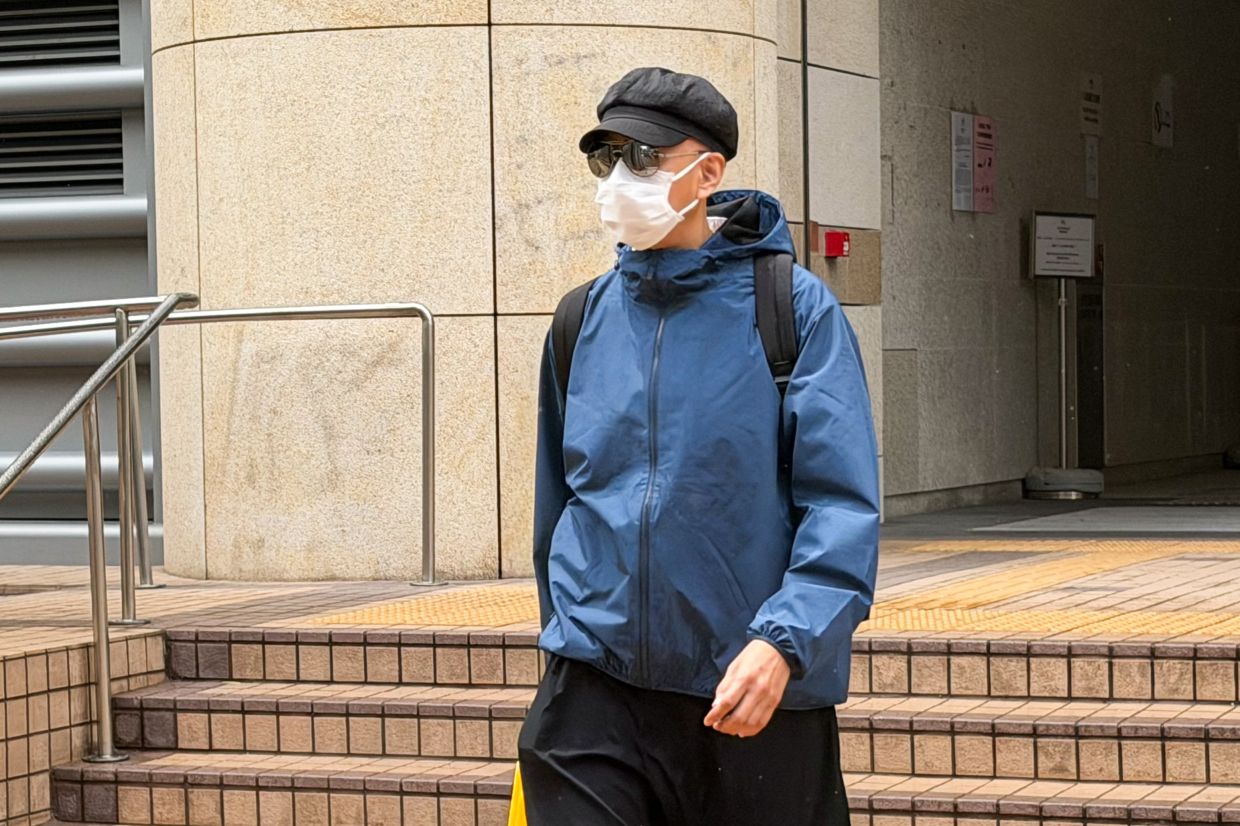
A court in Hong Kong has handed down a community service sentence to a senior editor at the city's public broadcaster RTHK following his guilty plea to voyeurism charges. Chong Tak-yin, who held the position of assistant chief assignment editor in RTHK's Chinese news and current affairs division, received the 160-hour penalty from West Kowloon Court on Wednesday after admitting to unlawfully recording intimate parts of a woman in public.
The 57-year-old's offence occurred on November 14 of the previous year when he filmed a woman in Mong Kok without her knowledge or consent. Officers on patrol observed suspicious behaviour and conducted a search that revealed incriminating video footage on his mobile phone. When questioned, Chong characterised his actions as impulsive conduct driven by momentary sexual urges rather than premeditated criminal intent.
The case raises significant concerns about professional standards within major public institutions in Hong Kong. The position held by the defendant represented a middle-management role overseeing news assignment operations, a responsibility that carries expectations of ethical conduct and integrity. The incident has prompted scrutiny of whether appropriate safeguards exist within newsroom environments to prevent such misconduct by personnel.
During proceedings, Chong's defence counsel Joe Chan Wai-yin presented circumstances intended to persuade the court toward leniency. The defendant was portrayed as a family man of 57 years, married with two adult sons and serving as the family's primary income earner at a monthly salary of approximately HK$90,000 (US$11,480). His legal representatives emphasised his status as a sole breadwinner dependent on employment income to support dependents.
A significant development emerged when Chong reversed his initial intention to contest the charges. Rather than proceeding to trial, he changed his plea to guilty, stating his motivation as setting a positive example for his children by accepting responsibility for wrongdoing and its consequences. This shift in approach suggested recognition of the severity of his conduct and a desire to demonstrate accountability to his family.
Professional assessment data presented to the court provided context for sentencing consideration. A probation officer's evaluation noted that Chong had voluntarily sought professional psychological support following his arrest. The assessment concluded that the likelihood of reoffending appeared low and characterised the incident as an isolated occurrence rather than indicative of sustained problematic behaviour patterns. These findings influenced the magistrate's decision regarding appropriate sentencing options.
Magistrate Jeffrey Sze Cho-yiu ultimately accepted the recommendation to impose a community service order rather than pursuing custodial punishment. This sentencing approach reflects judicial discretion to balance accountability with rehabilitation potential, particularly when psychological assessments suggest limited recidivism risk. The decision represents the court's judgment that Chong's circumstances warranted a sanction focused on reparative service to the community rather than imprisonment.
For Malaysia and the wider Southeast Asian region, this case illuminates ongoing challenges regarding sexual misconduct within professional environments and institutional responses to such violations. The incident underscores how voyeurism and non-consensual recording constitute serious breaches of personal dignity, affecting victim welfare and public trust in institutional integrity. Similar concerns have surfaced across Southeast Asian newsrooms and public bodies, prompting broader conversations about workplace conduct standards.
The matter also highlights the tension between personal redemption and institutional accountability. While individual circumstances may merit compassionate sentencing approaches, organisations must simultaneously address systemic vulnerabilities that permit such misconduct. Public broadcasters throughout Asia maintain mandates to uphold public trust, which demands robust internal controls and ethical training regardless of individual sentencing outcomes.
The case demonstrates how courts in Hong Kong approach voyeurism offences through a lens emphasising rehabilitation alongside punishment. Community service orders reflect judicial philosophy prioritising reintegration over incarceration where psychological assessments suggest manageable risk profiles. However, victim interests and institutional reputation concerns also factor into broader policy debates about appropriate consequences for such violations.
RTHK's response to this incident remains pending, with the broadcaster declining immediate comment on proceedings. As a public institution funded through government resources, the broadcaster faces implicit pressure to address workplace conduct standards and demonstrate commitment to preventing future incidents. The case may prompt internal policy reviews across Hong Kong media organisations regarding staff conduct expectations and complaint mechanisms.
For viewers and stakeholders across Southeast Asia observing developments in Hong Kong's institutional governance, this case serves as a reminder that personnel misconduct can affect public confidence in media organisations regardless of individual accountability measures. The intersection of personal circumstances, professional responsibility, and judicial proportionality continues shaping how modern societies address sexual misconduct within trusted institutions and the mechanisms through which accountability and rehabilitation can coexist within justice frameworks.

