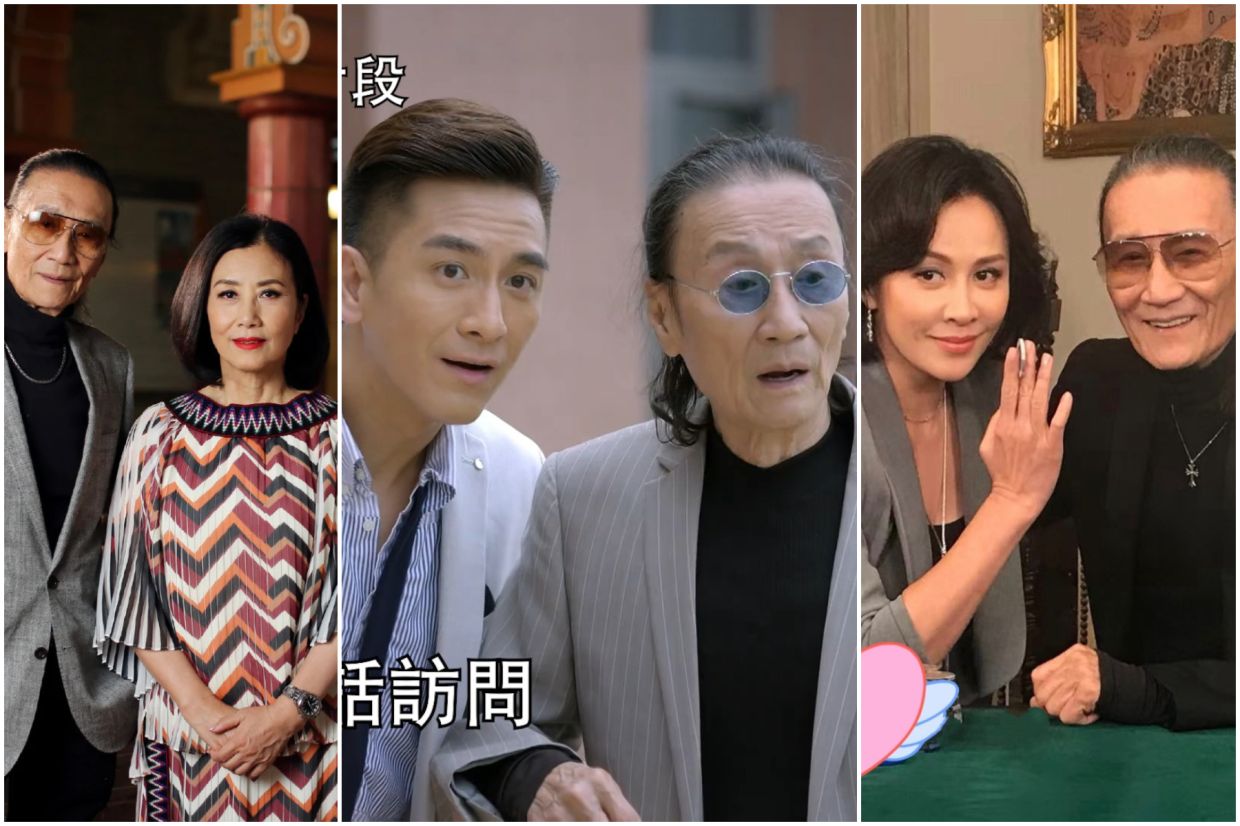
The Hong Kong entertainment industry continues to grieve the loss of Patrick Tse, an actor who embodied the glamour and professionalism of Hong Kong's golden age of cinema and television. Tse, affectionately known throughout the industry as Sei Gor (Fourth Brother), died from pneumonia on July 16 at the age of 89, with his family publicly announcing his passing four days later. The outpouring of tributes from fellow actors, directors, and colleagues reveals not only the depth of his influence on Hong Kong entertainment but also his personal warmth and mentorship to younger generations who worked alongside him during their careers.
Actress Carina Lau, herself a celebrated figure in Hong Kong and international cinema, took to social media to share her memories of the late actor. Posting photographs that included one of herself with Tse and another featuring her husband Tony Leung Chiu Wai alongside him, Lau composed a heartfelt message that emphasised the distinctive qualities that made Tse memorable. She described him as embodying wit, elegance, and a grace that extended beyond his on-screen presence, suggesting that his character and bearing left an indelible mark on those who knew him professionally. For Lau, Tse represented not merely an accomplished performer but a custodian of Hong Kong cinema's artistic heritage, someone whose contributions and values would endure long after his lifetime.
Veteran actress Liza Wang, who counted among her extensive credits numerous collaborative projects with Tse in television dramas produced by TVB, occupied a particularly significant place in his life beyond their professional relationships. Wang revealed that her connection to Tse extended into his personal family life, as she served as godmother to his daughter, Jennifer Tse. This dual relationship—professional colleague and family confidant—positioned Wang uniquely to reflect on both the public and private dimensions of his character. In her recollections, Wang painted a portrait of a man who possessed genuine kindness and authentic concern for those around him, demonstrating this through his attentiveness and generosity during their collaborations.
Wang's memories emphasised the reciprocal nature of learning and growth that characterised their working relationship. She recalled that whenever they appeared together in productions, Tse consistently demonstrated care for her welfare on set and willingly imparted the professional knowledge he had accumulated across decades of performing. Rather than viewing such sharing as a transaction or obligation, Wang interpreted it as an expression of Tse's fundamental decency and investment in the wellbeing of his colleagues. The actress articulated that the happiness created during those shared professional moments had become treasured memories for her, representing not merely nostalgic recollections but sources of ongoing gratitude for having worked under the guidance of such a mentor figure.
Michelle Ye, another prominent television actress who spent her career working in the Hong Kong entertainment sector, reflected on her personal friendship with Tse through a social media platform. The two actors had collaborated on a 2005 television drama, establishing a connection that evidently extended beyond the project's completion. In her tribute, Ye offered a particularly personal observation about the significance of Tse's presence in her life, noting that he had filled an emotional void related to fatherly affection that had been absent during her formative years. This perspective underscores how Tse's influence transcended professional boundaries, with younger colleagues finding in him not merely an exemplary performer but a figure who provided emotional support and familial-like care.
Actor Kenneth Ma, representing a newer generation of performers, encountered Tse during the production of a 2017 television drama directed by Wong Jing for TVB. Ma's reflections focused particularly on Tse's physical commitment to his craft and his willingness to maintain professional standards regardless of advancing age. Ma observed that despite his advanced years, Tse insisted on executing his own action sequences rather than delegating them to stunt performers, a decision that Ma interpreted as exemplifying the dedication and work ethic that younger industry members should aspire to emulate. This characteristic revealed not mere stubbornness but a philosophical commitment to authenticity in performance and a refusal to diminish the standards that had sustained his career throughout his lifetime.
Beyond Tse's physical commitment to performance, Ma also commented on his interpersonal demeanour during filming. The younger actor remembered Tse as possessing a playful and engaging personality on set, creating an atmosphere that made collaborative work genuinely enjoyable rather than merely professional. This recollection suggests that Tse's professionalism did not manifest as coldness or distance but rather as a warmth that made those around him experience their work as a shared endeavour rather than separate contributions. The combination of high standards, physical dedication, and genuine human connection created an environment where colleagues could simultaneously admire his approach and find pleasure in the collaborative process.
Director Wong Jing, who has worked extensively across Hong Kong's entertainment landscape, provided historical perspective on Tse's significance to the industry as a whole. Wong characterised Tse as representing the epitome of masculine screen presence in Hong Kong's cinematic history, a designation that acknowledges both his appearance and the qualities of bearing and confidence that he conveyed through his performances. Wong revealed that his personal relationship with Tse spanned several decades, having initially connected in 1977 when Wong was still establishing himself as a scriptwriter for TVB. During this period of his career development, Wong appreciated mentorship and professional guidance from the more established actor.
The nature of Wong's mentorship from Tse was notably informal and conducted in settings removed from the workplace, such as casual coffee outings. Tse would extend hospitality to the younger writer by driving him in his Mercedes-Benz sports car, creating an atmosphere of collegial camaraderie while they discussed films and the entertainment industry. During one of these conversations, Tse conveyed advice that would become foundational to Wong's approach to his own career. Tse observed that the status and recognition of being a star, once achieved, created an enduring obligation to maintain those standards and continue performing at an elite level, summarising this philosophy as: "Once you're a star for a day, you have to be a star for life." Wong identified this statement as crystallising Tse's fundamental approach to his profession and as one of his most precious memories of the late actor.
Tse's statement about maintaining star status throughout one's career encapsulates a philosophy that evidently guided his own path through the entertainment world and that he attempted to transmit to younger colleagues and associates. This perspective reflects an understanding of stardom not as a temporary achievement to be celebrated and then abandoned, but as an ongoing commitment that demands consistent excellence, professionalism, and dedication. For an actor like Tse, who sustained a successful career spanning multiple decades across cinema and television, this philosophy was not merely theoretical but lived experience.
The convergence of tributes from actors, directors, and collaborators spanning generations demonstrates that Tse's influence operated on multiple levels within Hong Kong's entertainment ecosystem. He was simultaneously a role model of professional excellence, a generous mentor to younger colleagues, and a genuinely warm human presence who enriched the personal lives of those around him. The specific recollections—Tse's insistence on performing his own action scenes at advanced age, his playfulness on set, his willingness to share knowledge, his care for colleagues, and his philosophy about maintaining professional standards—collectively construct a portrait of someone who understood that greatness in entertainment encompasses not merely technical skill or screen presence but consistency, integrity, and genuine human connection.
For Malaysian and broader Southeast Asian audiences familiar with Hong Kong entertainment's regional influence, Patrick Tse represented a particular standard of professionalism and elegance that defined Hong Kong cinema's international reputation. The manner in which his passing has prompted such substantive reflection from colleagues suggests that his impact extended beyond individual performances or specific productions to influence the industry's culture itself. The tributes indicate that Tse's true legacy lies not in any single acclaimed role but in the values he embodied and transmitted to successive generations of performers, values that continue to resonate even after his death.

