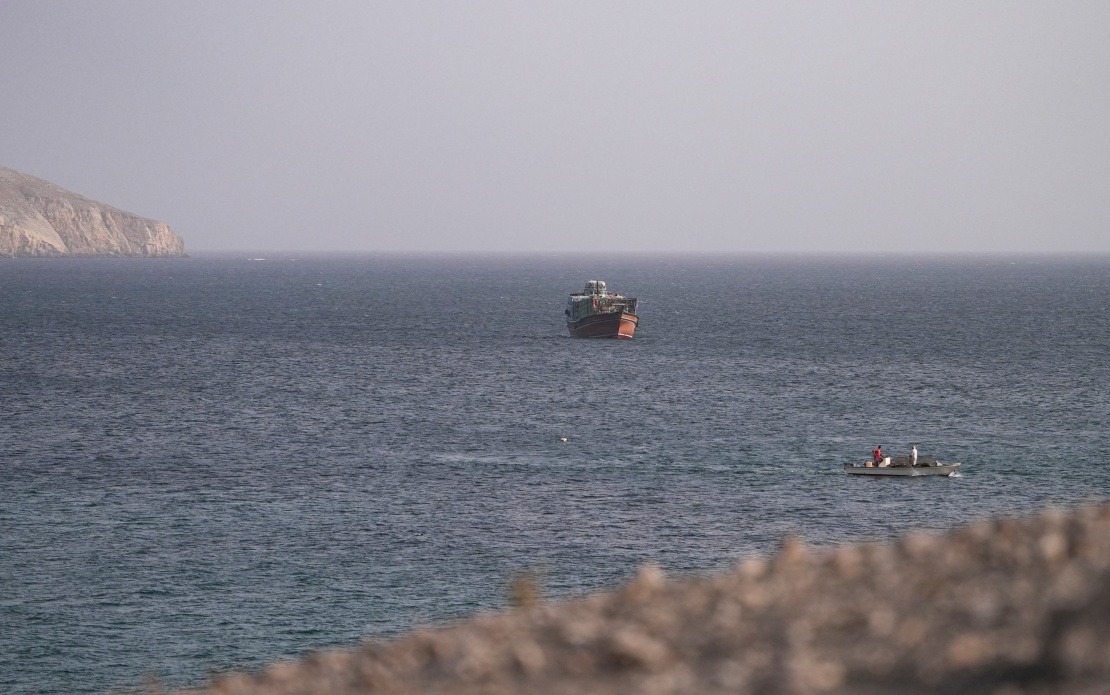
Iranian Foreign Ministry Spokesperson Esmaeil Baqaei has declared that the Strait of Hormuz will remain fundamentally altered from its pre-conflict state, signalling Tehran's intent to maintain a restructured approach to managing one of the world's most critical maritime chokepoints. Speaking during a televised interview, Baqaei clarified that recent diplomatic progress with Oman does not constitute a simple reopening of the strait to pre-existing conditions, underscoring the complexity of post-conflict regional maritime governance.
The Iranian official emphasized that negotiations between Tehran and Muscat have been ongoing for an extended period, with the primary objective of establishing a comprehensive framework that guarantees unimpeded maritime passage through the strategic waterway. This distinction is crucial for understanding Iran's negotiating position: rather than restoring the status quo, Tehran seeks to establish new parameters that accommodate its security interests while maintaining regional stability. The talks represent one of the most significant diplomatic initiatives in the Persian Gulf since the ceasefire agreement took effect, reflecting both the strategic importance of the strait and the broader geopolitical realignment occurring in the region.
Baqaei reiterated Iran's core position by stating categorically that under no circumstances would the Strait of Hormuz revert to its pre-war configuration dating from February 28. This declaration carries substantial implications for global energy markets and regional commerce, as the Strait of Hormuz facilitates approximately one-fifth of the world's seaborne oil trade. His comments reflect Tehran's determination to extract strategic concessions from the conflict's aftermath, ensuring that any maritime arrangement incorporates Iranian perspectives on regional security and its legitimate interests as a coastal state.
As neighbouring coastal states sharing responsibility for the waterway's security, Iran and Oman have initiated a structured dialogue process that commenced immediately following the ceasefire on April 8. Multiple rounds of negotiations have already transpired between the two nations, with several substantive exchanges taking place at diplomatic levels. This bilateral engagement underscores Oman's critical role as a stabilizing force in regional maritime affairs and its delicate balancing act between competing regional powers. For Malaysian observers, Oman's position as an intermediary highlights the importance of neutral Gulf actors in facilitating regional resolution mechanisms.
Foreign Minister Abbas Araghchi's first post-war international visit to Oman symbolized the diplomatic priority Tehran places on maritime security arrangements. During those discussions with Oman's Sultan and foreign ministry officials, the two sides explored not only the immediate management of the Strait of Hormuz but also broader frameworks for establishing secure shipping corridors. These high-level engagements demonstrate that Iran views maritime stability as inseparable from its broader foreign policy objectives and regional standing.
The memorandum of understanding establishing the ceasefire contains specific provisions addressing the strait's future governance. Article five explicitly mandates that Iran should manage the Strait of Hormuz in consultation with Oman and through dialogue with other regional stakeholders. This framework provides the diplomatic scaffolding upon which current negotiations are proceeding, though Baqaei's comments suggest implementing these provisions has proven more nuanced than initially envisioned. The reference to regional dialogue indicates that while talks with Oman are bilateral, their outcome may affect broader Gulf maritime arrangements.
During the initial three weeks of the ceasefire implementation, the northern route through the Strait of Hormuz functioned without incident, with commercial shipping resuming operations. However, Baqaei noted that before the agreed 30-day period for restoring pre-war maritime traffic conditions could conclude, what he characterized as an act of aggression against Iran occurred, disrupting the fragile progress. This disruption allegedly necessitated recalibration of maritime security protocols and highlighted the vulnerability of any arrangement lacking robust multilateral backing and enforcement mechanisms.
Critically, Baqaei disclosed that the eventually agreed maritime route would constitute an entirely new passage distinct from both the current northern and southern routes. This novel arrangement would emerge through bilateral agreement between Iran and Oman, representing a compromise position that reflects neither Iran's maximum demands nor a simple acceptance of pre-war conditions. For regional shipping interests and energy-dependent economies including Malaysia, this development carries significant implications for maritime insurance calculations, transit times, and the strategic architecture of Persian Gulf commerce.
Iran's position emphasizes that these negotiations remain fundamentally bilateral, with no involvement of third parties in determining maritime arrangements. However, Baqaei's emphasis on preventing the strait from being exploited by nations that committed aggression against Iran signals that security mechanisms protecting Iranian sovereign rights form non-negotiable requirements for any sustainable arrangement. This stance reflects Tehran's concern that maritime corridors could be weaponized against its interests if not properly safeguarded through explicit arrangements acknowledging Iranian prerogatives.
Baqaei addressed external pressure by reiterating that Iran has historically withstood military aggression and that contemporary threats would not alter Tehran's decision-making process. He referenced what he characterized as multiple high-intensity military operations against Iran, asserting that past experience had demonstrated Iran's resilience to coercive diplomacy. The spokesman dismissed recent statements by US officials and President Donald Trump as unsubstantiated and characterized such communications as components of psychological and media warfare rather than credible diplomatic engagement.
The Iranian official underscored that Tehran's strategic decisions emanate from national interest calculations and security assessments rather than responding to external intimidation. This rhetorical positioning frames Iran's maritime policy as autonomous and principled rather than reactive, reinforcing domestic political messaging while signalling resolve to international audiences. For Southeast Asian nations navigating complex relationships with major powers, Iran's demonstrated commitment to negotiating from perceived strength offers instructive lessons regarding balancing security interests with diplomatic engagement.
Baqaei indicated that Iran had received diplomatic communications from Bulgaria, the United Kingdom, and Ukraine within the previous 24 hours, suggesting active international engagement despite sanctions and geopolitical tensions. These contacts indicate that despite regional conflict, Iran maintains channels with diverse international actors. The spokesperson concluded by reiterating that any country providing military bases, facilities, or logistical support to parties committing aggression against Iran would assume responsibility for those actions and face corresponding consequences, effectively extending deterrent messaging beyond immediate regional actors to encompassing international participants in potential military coalitions.

