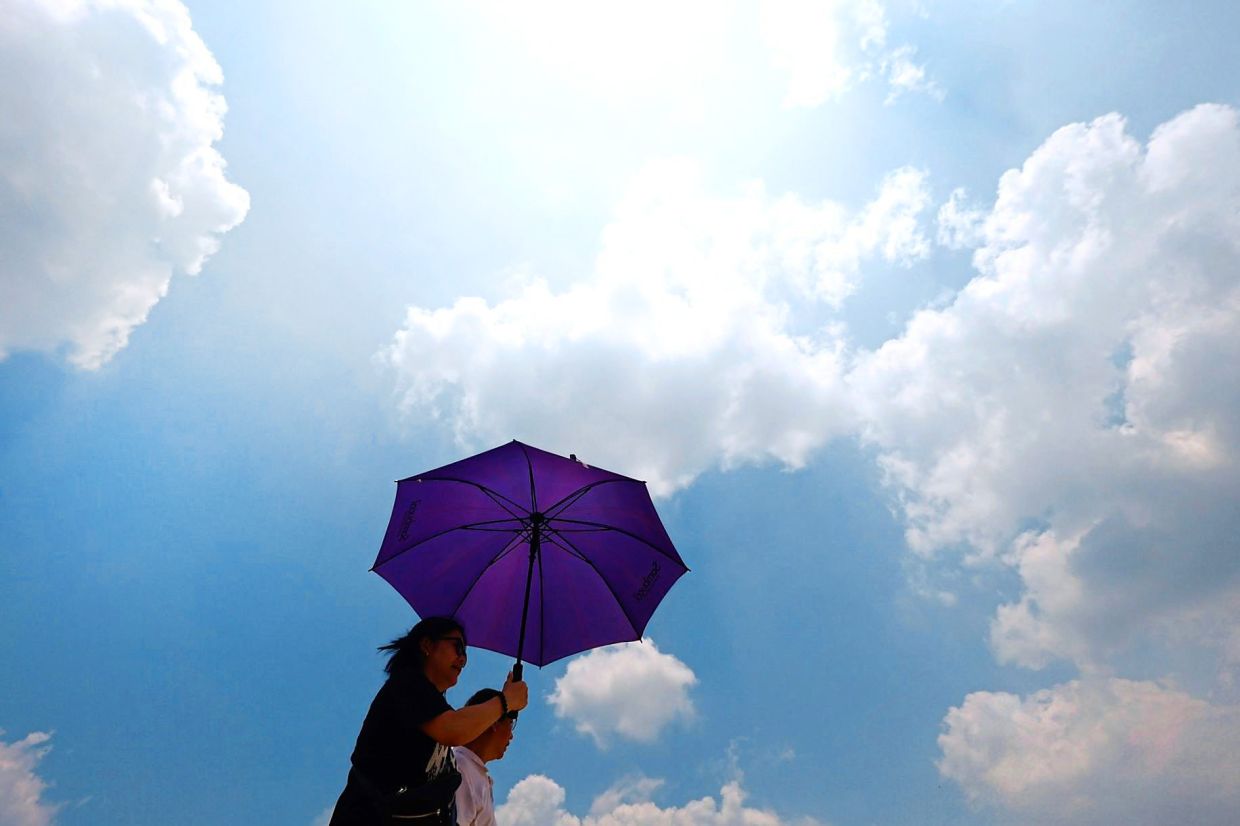
The World Health Organization declared on June 30 that heatwaves are set to become more frequent, more severe, and longer-lasting in the years ahead. This pronouncement came after Europe experienced a succession of record-shattering temperatures that resulted in dozens of fatalities across the continent. The shift represents a fundamental change in how societies must understand heat itself—no longer an anomalous weather event, but an increasingly normalised threat to public health that demands systematic response and preparation.
Dr Hans Kluge, WHO's regional director for Europe, characterised the situation bluntly, noting that the summers to come will present mounting challenges for populations across the region. His statement underscored that heatwaves have transitioned from being exceptional occurrences to recurring phenomena that will shape summers indefinitely. This recalibration of what constitutes "normal" weather has profound implications for public health infrastructure, urban planning, and social support systems across Europe and beyond.
As human-induced climate change intensifies heat stress globally, a critical question emerges: can the human body sufficiently adapt to withstand these escalating temperatures? According to Kathrin Graw, a medical meteorologist at Germany's national weather service the Deutscher Wetterdienst, the answer is nuanced but sobering. While the body does possess some capacity for heat adaptation, this capacity operates within boundaries that cannot be indefinitely extended. The threshold of human tolerance remains a hard biological reality, not a flexible frontier.
Graw's research illuminates why prolonged heatwaves prove particularly devastating. As heat persists day after day, the cumulative strain on the body intensifies exponentially. The situation deteriorates further when nighttime temperatures remain elevated, preventing the physical recovery that sleep normally provides. Without cool nights to allow the body's core temperature to normalise and physiological systems to restore themselves, individuals face compounding fatigue and physiological stress with each passing day. This cascading effect explains why death tolls from heatwaves tend to accelerate rather than plateau.
Evidence from a recent DWD investigation demonstrates the stark correlation between heatwave duration and mortality. Among people suffering from cardiovascular disease, the excess death rate jumps dramatically by the second week of sustained heat. During days 11 and 12 of a heatwave, this population experiences up to 18 percent more deaths compared with normal conditions. By contrast, during the initial days of a heatwave, excess mortality in this group stands at 8.5 percent. This data reveals that the body's initial coping mechanisms gradually fail under sustained thermal stress, rendering vulnerability an escalating rather than stable characteristic.
The human organism does retain some capacity for seasonal heat acclimatisation, particularly across the span of a single summer. Weather forecasting agencies such as Germany's DWD explicitly factor this biological reality into their warning systems. Heat alert thresholds are calibrated lower during spring or immediately following cooler periods, when bodies have not yet undergone seasonal adaptation. By late summer, the same absolute temperature may not trigger warnings, reflecting the understanding that populations have developed greater tolerance through months of exposure. This adaptive capacity, while real, remains modest and temporary.
A more fundamental question looms as climate disruption accelerates: can human populations develop meaningful long-term adaptation to permanently elevated heat regimes? Graw cautioned that evidence suggests such adaptation is possible but severely constrained. Geographic populations accustomed to warm climates across southern regions do exhibit somewhat lower heat-related mortality than their counterparts in historically cooler areas. This pattern suggests that centuries of habitation in warm environments confer certain physiological advantages. Yet this comparison offers limited reassurance given the velocity of current climate change.
The acceleration of temperature rise itself poses a decisive constraint on adaptive capacity. Humans and other organisms can acclimate to gradually changing conditions over generations, but the pace of climate disruption in recent decades far exceeds the rate at which biological adaptation typically unfolds. Graw warned explicitly that long-term adaptation to higher temperatures will remain bounded, particularly when the pace of environmental change outstrips the body's biological adjustment mechanisms. The speed of change has become as critical as the magnitude of change itself.
Vulnerability to heat stress is highly unequal across populations. Elderly individuals face compounded risk as cardiovascular function and thermoregulation capacity decline with age. Young children lack fully developed heat-regulation systems. Pregnant women experience altered metabolic demands that increase heat sensitivity. People with pre-existing chronic conditions—particularly heart disease, respiratory illness, and diabetes—suffer dramatically elevated mortality during heatwaves. This stratification of risk means that even modest increases in average temperatures can produce catastrophic impacts for medically fragile subpopulations, regardless of whether younger, healthier individuals develop improved heat tolerance. For Malaysia and Southeast Asia, where populations already endure tropical and subtropical conditions, these findings underscore that existing heat tolerance does not provide immunity to further temperature increases, and that vulnerable demographic groups require targeted protection strategies regardless of regional climate history.

