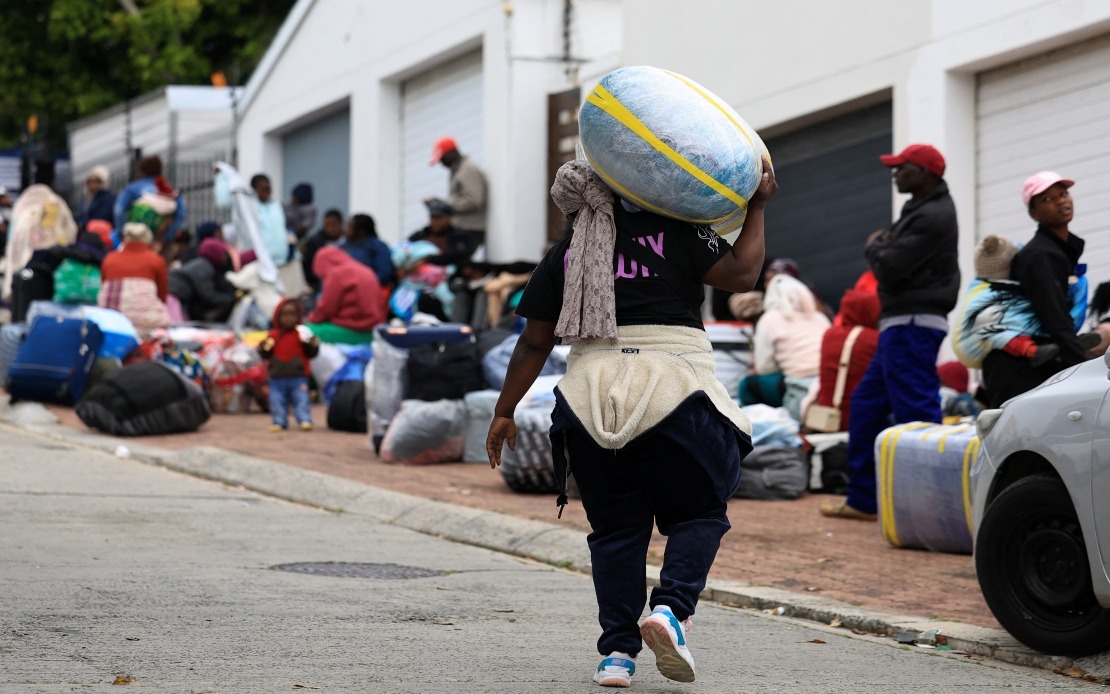
South African immigration authorities have commenced an operation to transfer hundreds of foreign nationals, predominantly from Zimbabwe and Malawi, away from Cape Town's Epping processing centre, marking a significant escalation in the country's ongoing immigration crisis. The movement of migrants began on Saturday as buses departed for Musina in Limpopo Province, where thousands of other displaced foreigners are currently awaiting processing and eventual repatriation to their countries of origin.
The sudden relocation reflects deepening tensions surrounding immigration in South Africa, where xenophobic sentiment has intensified in recent weeks. An informal deadline of June 30 imposed by anti-immigrant activist groups demanding that undocumented foreign nationals quit the country contributed to the decision to consolidate processing operations away from the Cape Town metropolitan area. The shift underscores government efforts to manage both the immediate safety concerns of migrants and the broader public sentiment opposing uncontrolled immigration.
Approximately 3,000 individuals had been relocated to the Epping centre just days earlier after spending roughly two weeks encamped outside the Zimbabwean consulate in Cape Town. These asylum-seekers and economic migrants had gathered at the diplomatic mission seeking protection and assistance to leave South Africa, fearing the violence that has accompanied anti-immigrant demonstrations throughout the Western Cape. The consulate gathering reflected a broader pattern of foreigners seeking sanctuary in official spaces as grassroots xenophobic movements have gained momentum across urban areas.
The processing centre itself has become increasingly strained under the burden of accommodating such large numbers within confined spaces. Humanitarian organisations operating at the Epping site have been providing basic necessities including food, water, shelter, and sanitation facilities to address immediate welfare needs. However, health concerns have emerged as aid workers reported cases of diarrhoea and flu-like symptoms developing among the migrant population, raising questions about hygiene standards and disease prevention protocols at the centre.
Conditions at the facility have deteriorated markedly as the operation scales up and down. On Saturday alone, approximately 400 additional people arrived overnight seeking assistance, only to be turned away as the processing centre prepared to formally wind down its operations in Cape Town. These newly arrived individuals were left waiting in nearby areas without immediate access to shelter or official processing channels, compounding the humanitarian challenges facing both the migrants and local authorities attempting to manage the situation.
Zimbabwean migrant Yekuai Mokoena, who had sought refuge at the Epping centre with her two young children, offered a stark assessment of the circumstances. Having previously spent several nights sleeping rough outside the Zimbabwean consulate before being transferred to Epping, Mokoena's terse description of conditions—"The situation is bad"—captured the desperation and uncertainty permeating the processing operation. Her account reflects the lived experience of thousands facing an impossible choice between remaining in South Africa amid hostile social conditions or navigating the lengthy and uncertain process of returning home.
The operation continued throughout Saturday afternoon as buses methodically loaded passengers and their belongings for the journey northward to Limpopo Province. The visible movement of migrants across the city symbolises a broader policy shift toward centralising foreign national processing away from major urban centres. Government authorities have simultaneously encouraged any remaining applicants still in the Western Cape to travel directly to Musina rather than attempting to process claims through the now-closing Cape Town facility.
The transfer operation carries significant implications for regional migration patterns and South Africa's international relationships, particularly with neighbouring Zimbabwe. The movement of hundreds of Zimbabwean nationals back toward the border region may signal accelerated repatriation timelines, though many migrants remain uncertain whether they will be forcibly returned or granted the voluntary departure they have requested. For Malaysian observers, the situation underscores how xenophobic political movements and anti-immigrant sentiment can rapidly destabilise immigration systems and displace vulnerable populations at scale.
The humanitarian organisations working at Epping have emerged as critical stabilising forces during the crisis, providing essential services that governmental agencies have struggled to deliver comprehensively. Yet their capacity remains finite, and the concentration of migrants at a single processing centre in Musina will likely stretch resources further. The decision to relocate operations northward also raises logistical questions about how the Department of Home Affairs will manage processing backlogs when facilities in Limpopo are already reportedly overburdened with waiting cases.
For the broader SADC region, including neighbouring countries like Zimbabwe and Malawi, the unfolding situation represents a troubling precedent for how host nations respond to migration pressures during periods of economic stress. The anti-immigrant activism has been framed by its proponents as responses to unemployment and resource scarcity, yet it reflects failure of political leadership to frame immigration as a complex issue requiring nuanced policy responses rather than hostility. The events in Cape Town will likely influence migration calculus among East and Southern African nationals considering economic opportunities in South Africa.

