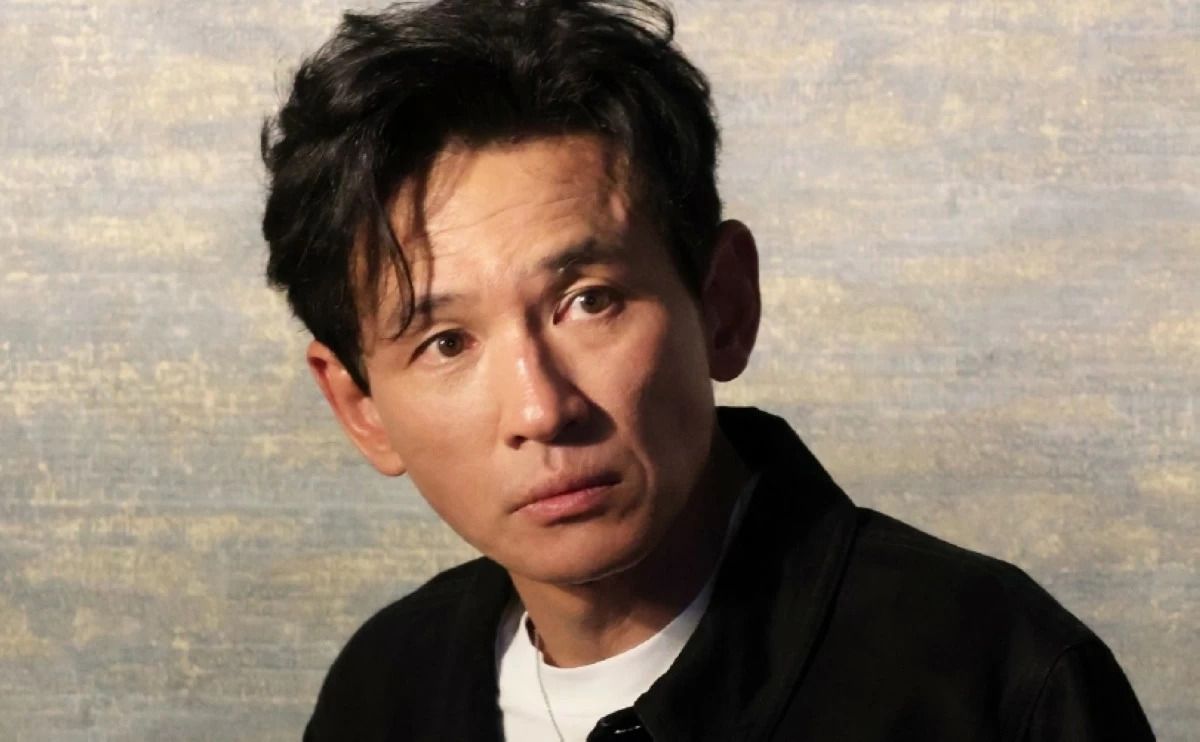
South Korean actor Hwang Jung-min's agency has firmly denied allegations of an extramarital affair, instead characterizing the woman who made the claims as a criminal suspect engaged in sustained harassment. The statement issued on July 29 represents an aggressive legal counteroffensive against accusations that have surfaced on social media, marking an escalation in what the actor's representatives describe as a protracted campaign of stalking directed at the 55-year-old performer.
The accuser had previously posted materials on social platforms purporting to be text messages, photographs and an audio recording allegedly capturing conversations between herself and Hwang. These postings claimed to substantiate a romantic relationship between the two, presenting what she framed as evidence of infidelity. However, Hwang's agency swiftly challenged the authenticity and intent behind these disclosures, contending that the materials had been deliberately altered to misrepresent the actor's involvement or communications.
According to the agency's statement, the woman in question is not merely making unfounded claims but is an active suspect in a criminal stalking investigation. The agency revealed that Hwang filed a formal criminal complaint against her in 2025, initiating legal proceedings that have already produced tangible outcomes through the courts. This procedural history lends considerable weight to the agency's assertion that the current social media campaign represents a continuation of problematic behavior rather than a one-time disclosure.
The judicial system has already intervened multiple times in what appears to be an ongoing dispute between the parties. Court records indicate that restraining orders have been imposed against the woman on three separate occasions, reflecting a pattern of conduct that legal authorities deemed sufficiently concerning to warrant formal intervention. Additionally, a summary judicial order resulted in a fine of three million won—equivalent to approximately RM8,525—imposed against the accuser. These enforcement measures underscore the seriousness with which South Korean courts have treated the allegations of harassment leveled against the woman.
Despite these legal setbacks, the accuser has chosen to contest the financial penalty imposed against her, requesting a formal trial rather than accepting the summary determination. This decision suggests her commitment to challenging the authorities' characterization of her conduct, though the outcome remains uncertain. In a parallel development, she has also initiated civil litigation against Hwang himself, seeking financial damages through the courts. This multifaceted legal engagement—where she simultaneously contests her own punishment while pursuing her own claim—illustrates the complexity of the dispute and the divergent legal strategies being deployed by both sides.
Hwang's agency has indicated its intention to escalate matters further, announcing plans to pursue additional legal action in response to the social media postings. The management company characterized the materials as "maliciously edited" and expressed regret that the matter had generated public concern and media attention. However, the agency notably refrained from making an explicit statement regarding whether the audio recording itself was authentic, a careful omission that leaves open questions about the genuineness of at least some of the evidence the accuser has presented.
The actor's personal circumstances provide important context for understanding the allegations. Hwang has been married to Kim Mi-hye since 2004, a union spanning two decades. Kim Mi-hye is a accomplished figure in her own right, serving as a musical and theatre producer and holding the position of head at SEM Company, the agency that manages her husband's career. This professional integration, where the spouse directs the actor's management, underscores the deeply intertwined nature of their personal and professional lives.
Within the South Korean entertainment industry, Hwang occupies a position of considerable prominence and commercial significance. He is widely recognized as among the most bankable actors in Korean cinema, having taken leading roles in numerous blockbuster productions that have achieved substantial box office success. This standing means that allegations affecting his reputation have immediate implications for ongoing and future film projects, making the swift and forceful denial from his agency a matter of professional necessity alongside personal vindication.
Currently, Hwang is engaged in a major production that exemplifies his continued relevance in high-profile projects. He is starring in an action thriller directed by Na Hong-jin, a filmmaker known for crime and suspense narratives. The film, which carries the title "Hope," features an impressive ensemble cast that extends beyond Korean cinema, including acclaimed Swedish actor Michael Fassbender and American actress Alicia Vikander, alongside fellow South Korean performers Zo In-sung and Jung Ho-yeon. The international scope of the production and the caliber of its cast members reflect Hwang's position within a globalized film industry.
The film is slated for release in Singapore on September 10, marking the beginning of what is expected to be a regional distribution strategy. Such a major theatrical release, backed by substantial marketing investment and studio expectations, would be significantly undermined by unresolved controversies or public uncertainty about the lead actor's personal conduct. The timing of the agency's rebuttal thus serves not only to address the allegations on their merits but also to manage the narrative environment surrounding the film's upcoming launch across Southeast Asian markets.
For Malaysian audiences and broader Southeast Asian entertainment consumers, this episode illustrates the increasingly interconnected nature of Korean film and celebrity culture within the region. As South Korean productions and stars become more prominent in regional cinemas, disputes involving major Korean actors inevitably attract attention and engagement from audiences well beyond South Korea's borders. The case also exemplifies how social media has fundamentally altered the dynamics of celebrity controversy, allowing individual accusers to reach massive audiences directly while simultaneously enabling rapid institutional response from agencies and legal systems.
The resolution of this matter remains uncertain, though the legal framework already established through the courts suggests that authorities have examined the evidence and formed preliminary conclusions about the accuser's conduct. Whether the civil suit proceeds and what additional legal actions the agency pursues will likely continue to generate attention as both sides press their respective claims through the formal legal system.

