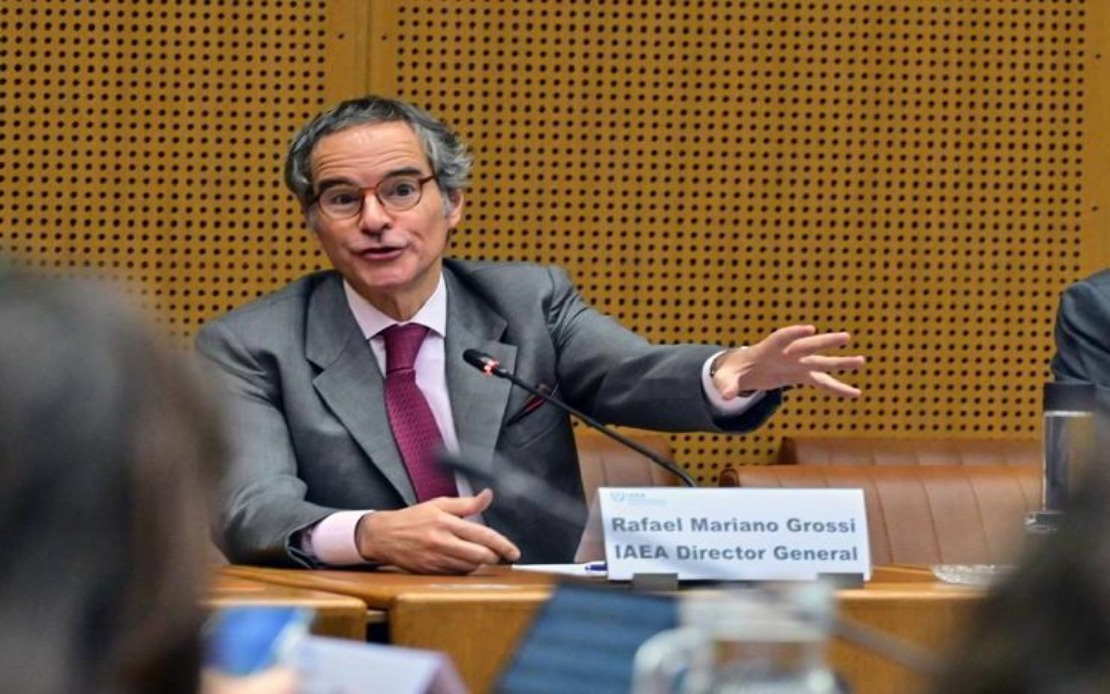
Tensions between Washington and Tehran appear to be shifting toward dialogue, with the UN's International Atomic Energy Agency chief publicly backing renewed diplomatic efforts as high-level delegations from both nations convene in Switzerland. Rafael Mariano Grossi, Director General of the IAEA, released a statement emphasising the critical importance of maintaining momentum in negotiations, warning that the current moment demands that diplomacy be given every reasonable chance to reach a breakthrough.
The meetings in Burgenstock, Switzerland represent a significant diplomatic development in a relationship that has long been characterised by confrontation and sanctions. Swiss Foreign Minister Ignazio Cassis served as a key intermediary, conducting separate consultations with both sides before they sat down together. Cassis met earlier with Iranian Foreign Minister Abbas Araghchi, signalling Switzerland's established role as a neutral venue for talks involving parties with fraught histories.
Switzerland's diplomatic infrastructure and longstanding neutrality have made it a preferred location for high-stakes international negotiations. Grossi specifically acknowledged Switzerland's commitment to multilateral diplomacy and its continued support for the IAEA, suggesting that the country's role extends beyond simply hosting meetings. The Swiss government has positioned itself as a facilitator of constructive dialogue, a role that carries particular weight given the historical complexity of US-Iran relations and the stakes involved in nuclear matters.
The groundwork for these talks appears to have been laid with earlier high-level engagement. The Islamabad Memorandum of Understanding, signed by US President Donald Trump and Iranian President Masoud Pezeshkian on Wednesday, effectively opened the door to direct bilateral negotiations. This document served as a confidence-building measure, establishing mutual commitment to structured dialogue and creating the framework within which the Switzerland talks could proceed with realistic expectations.
For Southeast Asian observers, these developments carry significant implications. The region has long been concerned about nuclear proliferation and the stability of the Middle East, given the interconnections between regional security and global energy markets. Any agreement on Iran's nuclear programme could influence international oil prices, which directly affect economies throughout Asia. Malaysia and other nations in the region maintain commercial and diplomatic ties with both the United States and Iran, making regional stability an investment in their own economic security.
Grossi's emphasis on giving diplomacy a genuine opportunity reflects the IAEA's institutional interest in verification and compliance mechanisms rather than confrontation. As the UN body responsible for monitoring nuclear activities worldwide, the agency has a vested interest in negotiated solutions that produce verifiable agreements. The director general's public statements carry weight with the international community and signal the nuclear watchdog's readiness to engage constructively with whatever framework emerges from these talks.
The presence of high-level delegations in Burgenstock indicates that both governments consider these negotiations sufficiently promising to commit senior diplomatic resources. Such high-level engagement typically occurs only when there is genuine belief that progress can be achieved, suggesting that behind-the-scenes channels may have already overcome some fundamental obstacles. The fact that both sides agreed to meet directly, rather than continuing indirect negotiations through intermediaries, represents a notable shift in approach.
Iranian Foreign Minister Araghchi's participation demonstrates Tehran's commitment to engaging seriously on this issue. The Iranian government has previously linked any nuclear negotiations to broader questions of sanctions relief and regional security concerns, and Araghchi's presence indicates that Iran believes these talks offer a venue to address those interconnected issues. His separate meeting with Cassis allowed Switzerland to gauge whether both parties shared sufficient common ground to make direct negotiations worthwhile.
The timing of these talks occurs against a backdrop of shifting geopolitical calculations. Regional developments, changing international alignments, and domestic political considerations within both nations have created a window of opportunity that may not remain open indefinitely. Grossi's call to give diplomacy every chance to succeed carries an implicit warning that such moments are precious and fragile, and that missed opportunities can result in renewed escalation.
For Malaysia and Southeast Asia, the outcome of these negotiations could influence everything from regional security arrangements to trade flows and energy prices. A successful agreement would likely reduce global uncertainties and create a more stable operating environment for regional businesses and governments. Conversely, a breakdown in talks could trigger renewed tensions with unpredictable consequences for international markets and security arrangements that extend across Asia.
The IAEA's historical role in nuclear diplomacy demonstrates the agency's capacity to bridge differences between adversarial nations. The watchdog has successfully negotiated access and monitoring arrangements in challenging environments, suggesting that Grossi's expressed confidence in the diplomatic process reflects genuine institutional experience with conflict resolution. His presence in the background of these talks, though discrete, represents a stabilising factor and a commitment to ensuring that any agreement can be properly verified and implemented.