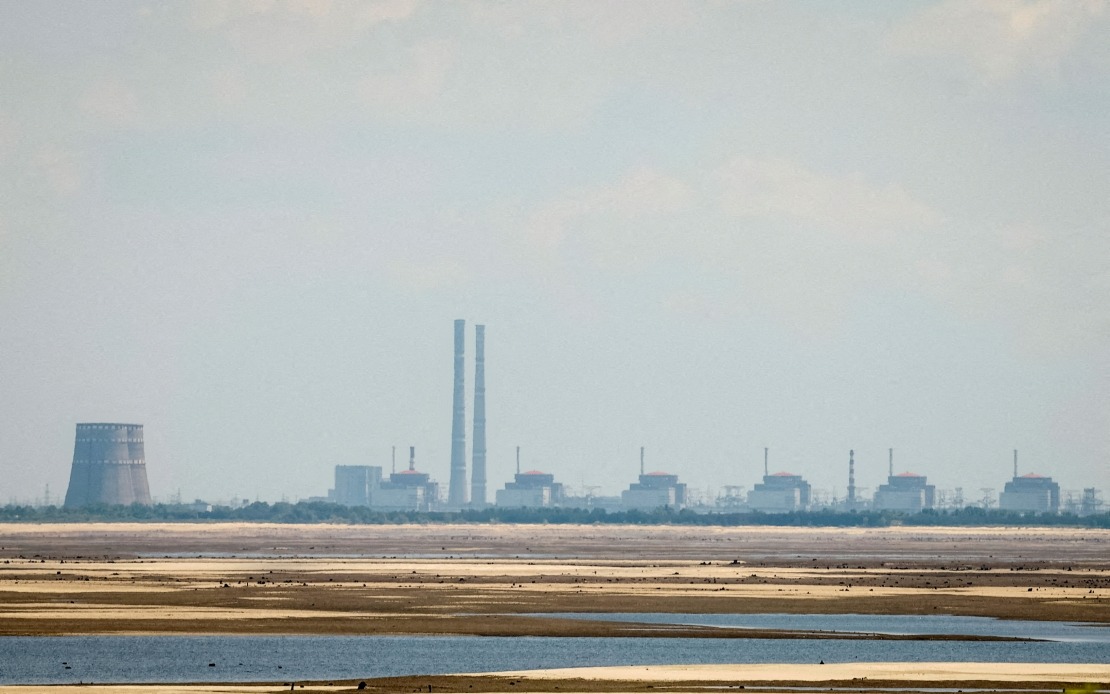
The International Atomic Energy Agency has sounded fresh alarms over deteriorating conditions at the Zaporizhzhia Nuclear Power Plant, reporting that the sprawling Ukrainian facility experienced yet another loss of external electrical supply on Friday. This latest incident marks the 21st such outage since the intensification of the Ukraine crisis, painting a troubling picture of mounting vulnerability at what remains one of Europe's most critical energy infrastructure assets. The recurring disruptions underscore the precarious operating environment facing technicians and safety personnel who must maintain continuous oversight of one of the continent's largest nuclear installations amid active conflict.
The power loss occurred when the plant's connection to the 330 kV Ferosplavna-1 transmission line was severed, according to IAEA officials monitoring the situation. Investigations by the agency's team stationed at the facility determined that military activity in the surrounding region had activated electrical protection systems along the transmission lines feeding the nuclear complex, forcing an automatic disconnection to safeguard grid infrastructure. This pattern of connection disruptions through external interference demonstrates how the broader conflict dynamics directly threaten the plant's operational stability, creating cascading safety challenges that extend far beyond conventional energy supply concerns.
The absence of off-site power immediately triggered the facility's backup safety systems, with emergency diesel generators activating automatically to sustain electrical supply for critical cooling mechanisms and essential nuclear safety functions. These engineered redundancies represent fundamental safeguards designed into modern nuclear facilities, yet their repeated activation signals an unsustainable operational rhythm that strains both equipment and the personnel responsible for managing the station. The regularity with which backup systems must engage raises legitimate questions about the durability of these emergency measures under prolonged stress and whether continued reliance on diesel generation remains viable given supply chain vulnerabilities inherent in the current conflict situation.
IAEA Director General Rafael Grossi characterised the situation with stark language, warning that the latest blackout vividly illustrates the "extreme fragility" of nuclear safety protocols at the plant and emphasizing the imperative for maximum military restraint in the surrounding region. His statement reflects mounting international frustration with the deteriorating conditions, as the agency finds itself in the difficult position of documenting successive safety compromises at a facility that could trigger catastrophic consequences if containment protocols fail. The director general's call for restraint carries implicit acknowledgment that the current approach to managing the conflict zone has proven inadequate to protect one of Europe's most strategically sensitive installations.
The Zaporizhzhia plant's struggles reflect broader vulnerabilities facing critical infrastructure in active conflict zones, a consideration increasingly relevant across the globe as military escalation threatens civilian facilities. The facility's status as Europe's largest nuclear power station amplifies the stakes considerably, as any serious accident could trigger radioactive contamination affecting millions of people across multiple nations. For Southeast Asian observers, the situation illustrates how regional conflicts can rapidly transcend geographical boundaries and create transnational hazards, particularly when essential infrastructure becomes caught in the crossfire of military operations.
The pattern of recurrent power losses has emerged as the defining characteristic of the plant's experience since the Ukraine crisis began, with each incident eroding confidence in the facility's ability to maintain safe operations indefinitely. The growing frequency of these disruptions suggests that underlying conditions are deteriorating rather than stabilising, despite international diplomatic efforts aimed at negotiating safeguards around the nuclear complex. This trajectory raises uncomfortable questions about how much longer current containment and safety measures can effectively function before the cumulative strain produces a catastrophic failure.
The reliance on automatic emergency systems, while essential for immediate safety, cannot represent a sustainable long-term solution to the plant's predicament. Diesel generators require fuel supplies, maintenance oversight, and monitoring that becomes increasingly challenging in the context of ongoing military operations. Equipment fatigue accumulates with each activation cycle, and the psychological burden on technical staff managing crisis responses repeatedly compounds stress and fatigue among personnel responsible for making split-second safety decisions.
The international implications of the plant's deteriorating status extend across Europe and potentially beyond, as a major nuclear incident could fundamentally alter regional geopolitics and reshape energy markets. Neighbouring nations and global powers have substantial interests in preventing any catastrophic failure, yet the current framework appears inadequate to guarantee protection of the facility. This disconnect between stakes and actual security measures represents a gap that IAEA officials and international diplomats must urgently address through enhanced negotiated agreements and enforcement mechanisms.
For Malaysia and the broader Southeast Asian region, the Zaporizhzhia situation serves as a cautionary reminder of infrastructure vulnerabilities during conflict and highlights the strategic importance of maintaining robust international protocols for protecting civilian facilities. The region's own energy security considerations and potential future infrastructure development must account for lessons emerging from how vulnerable critical installations can become when situated in active conflict zones. As nations across Southeast Asia pursue nuclear energy expansion, the Zaporizhzhia experience offers difficult but invaluable lessons about safety architecture, international oversight mechanisms, and the extraordinary challenges facing technical personnel operating nuclear facilities under duress.

