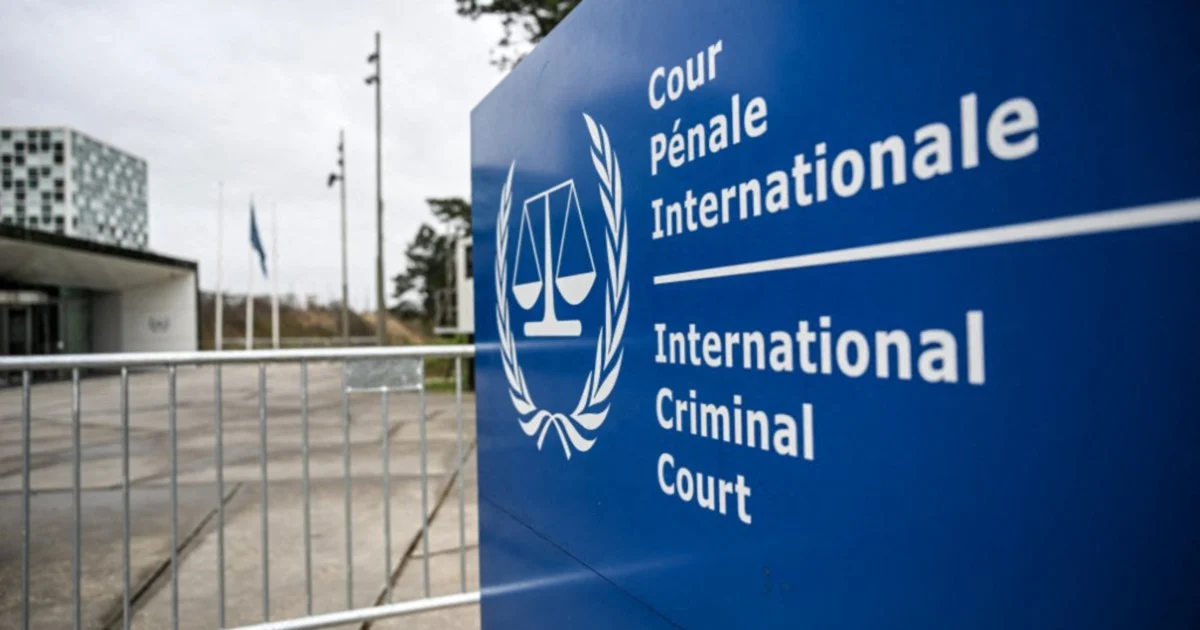
Three judges from the International Criminal Court have initiated legal proceedings in the United States federal court system, directly challenging sanctions that the Trump administration imposed against them. Filed on Wednesday, the lawsuit contests the validity of the penalties, with the judges asserting that the measures exceed presidential authority and contravene established legal frameworks governing economic sanctions. The action marks an escalation in the ongoing tension between the United States government and the international criminal justice institution based in The Hague.
The judges characterized the sanctions as severe and disproportionate, using language that underscores their view that the restrictions constitute an abuse of governmental power. Their legal team has framed the restrictions as retaliatory measures designed to punish the court for its investigative activities, rather than legitimate foreign policy responses. This framing suggests the judges believe the sanctions lack proper justification under international law and US domestic statutes that typically govern such economic penalties.
The dispute between Washington and the International Criminal Court has deepened considerably in recent years, particularly over the court's investigations into potential American military conduct. The Trump administration has consistently opposed the court's jurisdiction and its efforts to hold nationals of non-member states—including Americans—accountable for alleged international crimes. Previous administrations, including under President Joe Biden, also maintained skepticism toward the institution, though their approach differed in tone and implementation.
Sanctions targeting ICC personnel represent an unusual diplomatic tool, rarely deployed by major powers against international institutions. The United States has historically used such measures against foreign governments and individuals accused of human rights violations or terrorism. Applying sanctions to judges of a court whose legitimacy the administration already questioned signals an unprecedented escalation in this conflict, moving beyond rhetorical opposition to concrete economic punishment.
For Malaysian and Southeast Asian observers, this confrontation carries significant implications for international justice architecture. The region has been cautious about the International Criminal Court, with most countries in Southeast Asia maintaining distance from the institution. Malaysia, like many nations in the region, has not ratified the Rome Statute establishing the court, giving it substantial autonomy regarding when and how international criminal justice mechanisms apply domestically. The sanctions dispute highlights broader tensions about global governance structures and the ability of powerful nations to constrain or reshape international institutions according to their preferences.
The lawsuit represents an attempt by the judges to use American legal institutions to contest what they view as unlawful executive action. This legal strategy assumes that US courts possess both the authority and willingness to review sanctions decisions made by the president in foreign policy matters. Historically, American courts have granted presidents substantial deference on sanctions decisions, treating them as core executive functions protected from judicial scrutiny under the political question doctrine. The judges' legal team would need to overcome these significant procedural and substantive hurdles to succeed.
The case also raises complex questions about the relationship between international law and US constitutional authority. While the International Criminal Court operates as an independent institution, judges serving there maintain various citizenship ties. The judges in question may hold nationalities that create genuine connections to the US legal system, potentially strengthening their standing to challenge the sanctions through American courts. However, their institutional role at an international body could complicate arguments about their individual rights being violated.
From a Southeast Asian perspective, this lawsuit also illustrates how major-power disputes over global institutions can reverberate throughout regional systems. Nations in the region often find themselves caught between competing international frameworks and pressures from powerful states. The outcome of this legal challenge could influence how other countries calibrate their own relationships with international institutions, particularly regarding security and sovereignty concerns that preoccupy many Southeast Asian governments.
The Trump administration's approach to the International Criminal Court reflects broader skepticism about multilateral institutions perceived as constraining American freedom of action. This administration perspective extends beyond the court to encompass various international organizations and agreements. For smaller nations and those concerned about preserving space for regional decision-making, such resistance to international institutional overreach can appear sympathetic. However, the use of unilateral sanctions against judges of an independent institution also demonstrates how powerful states can exercise coercive pressure when dissatisfied with international bodies.
The judges' decision to litigate their case in American courts represents a calculated gamble that domestic legal mechanisms will prove more receptive to their arguments than the political branches. It positions the federal judiciary as a potential check on executive sanctions authority, though success remains uncertain given historical jurisprudence. The lawsuit will likely require extensive litigation over standing, justiciability, and the scope of presidential power in foreign affairs before substantive legal arguments receive full consideration.
This dispute also underscores persistent disagreements about international criminal accountability and how responsibility for serious crimes should be determined. Nations prioritizing state sovereignty and reluctance to subject military personnel to international scrutiny view the ICC with concern. Conversely, proponents of international justice see the court as essential for preventing impunity for mass atrocities. The United States, as a major military power, occupies an ambiguous position in these debates, wielding substantial influence over international justice outcomes while simultaneously fearing international legal constraints.
As the litigation proceeds, Malaysian policymakers and observers should monitor how American courts address this novel legal challenge. The outcome may help clarify the boundaries of presidential sanctions authority and strengthen or weaken the position of international institutions facing pressure from powerful states. Whatever the courts decide, the case demonstrates how disputes over global governance structures increasingly play out through legal channels, reflecting the complexity of managing international relations in an interconnected world where institutions, sovereignty, and power continuously intersect.

