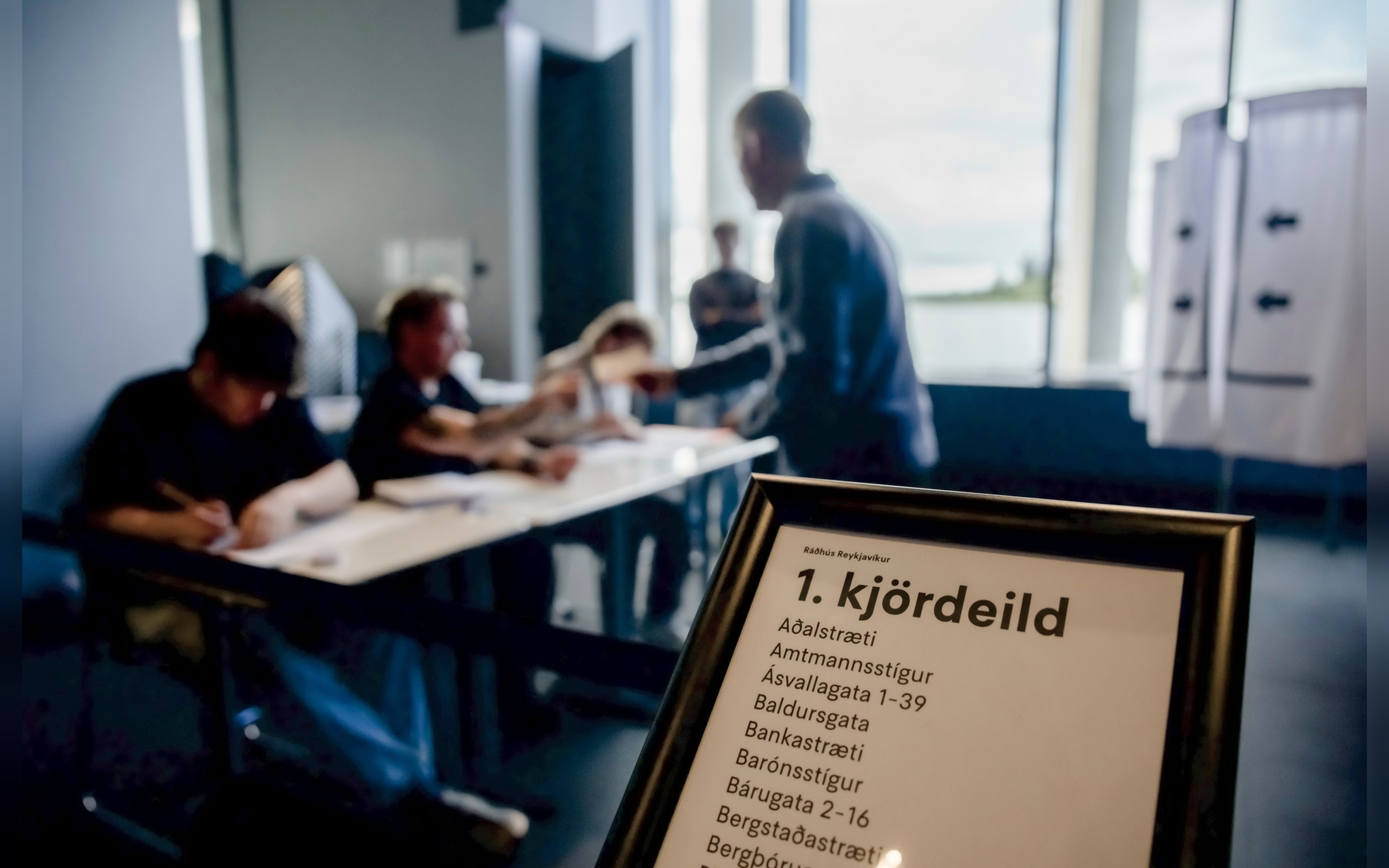
In a closely contested referendum held over the weekend, Icelandic voters have delivered a narrow rejection of their government's proposal to resume negotiations on European Union membership. Official results released on Sunday showed that 52.8 per cent of the population opposed reopening accession talks, while 47.2 per cent expressed support. The tight margin underscores the deeply divided nature of Icelandic society on the question of continental integration, with passionate advocates on both sides of the membership debate.
The referendum was initiated by Iceland's centre-left administration, led by the Social Democrats, which had made a commitment to put the EU question to a popular vote following their victory in the 2024 general election. The government's decision to hold the ballot reflected the resurgence of membership as a significant political issue, driven in part by shifting geopolitical circumstances in Europe. For many within the pro-EU camp, Iceland's ongoing isolation from European institutional structures has become increasingly problematic amid regional tensions and security concerns.
Iceland's complicated relationship with EU accession extends back more than a decade. The country formally applied for membership in 2009 during the depths of the global financial crisis, which devastated the Icelandic economy and prompted policymakers to explore alternative frameworks for economic and political cooperation. However, momentum for membership stalled significantly in 2013 when voters elected a eurosceptic government that promptly suspended all ongoing negotiation processes. This shift reflected a fundamental realignment in Icelandic political attitudes toward European integration.
The fishing industry stands at the heart of Iceland's resistance to EU membership, a factor that has proven decisive in shaping public opinion on the question. Opponents of accession have consistently argued that joining the bloc would fundamentally compromise Iceland's ability to manage its own marine resources and territorial waters. For a nation whose economic prosperity depends overwhelmingly on access to rich fishing grounds, the prospect of surrendering sovereign control over maritime policy represents an unacceptable sacrifice.
The concerns about fishing rights reflect legitimate economic realities. Iceland's marine sector forms the backbone of national employment, export revenues, and broader economic stability. The European Union's Common Fisheries Policy, while designed to ensure sustainable resource management across member states, would impose constraints on Icelandic fishing operations and potentially limit the country's traditional practices. Fishery organisations and rural communities have mounted sustained campaigns warning that EU membership would diminish Iceland's competitive advantages in this crucial sector.
Beyond the fishing question, broader anxiety about sovereignty loss has animated the anti-EU movement. Critics contend that membership would subordinate Icelandic law-making and policy decisions to Brussels-based institutions, reducing the nation's capacity for independent governance. This sentiment is particularly pronounced in a country with strong traditions of independence and self-determination, where the historical experience of Danish rule remains culturally significant. The notion of transferring decision-making authority to distant supranational bodies carries particular psychological weight for Icelanders.
The pro-EU faction, by contrast, has emphasised geopolitical and economic advantages of closer integration. Supporters argue that membership would enhance Iceland's security posture within a broader European framework, particularly relevant given current regional instability. Additionally, they contend that EU integration would provide access to larger markets, facilitate business investment, and strengthen Iceland's diplomatic standing. The government's decision to pursue renewed negotiations reflected confidence that these arguments could ultimately persuade voters.
The referendum result, however narrow, constitutes a rebuff to the Social Democrat-led administration's strategic priorities. The close vote demonstrates that while membership sentiment has improved from earlier periods when euroscepticism overwhelmingly dominated, a clear majority of Icelanders remain unconvinced that the benefits of EU accession outweigh the costs. This persisting hesitation suggests that fundamental concerns about sovereignty, fishing autonomy, and national identity continue to resonate powerfully across Icelandic society.
For regional observers in Southeast Asia, Iceland's experience offers instructive parallels regarding the persistent tension between integration benefits and sovereignty preservation. Like Iceland, many countries in the region balance desires for deeper institutional cooperation with legitimate concerns about surrendering domestic policy autonomy. The referendum demonstrates how fishing-dependent economies, resource management issues, and historical identity narratives can override institutional integration arguments, even when presented by governing administrations.
The outcome also reflects broader patterns of public scepticism toward supranational governance structures across Europe and beyond. Despite decades of European integration, public enthusiasm for expanding union membership remains tepid in many Western societies. Iceland's rejection, occurring amid rising nationalist sentiment globally, suggests that integration projects cannot assume inevitable advancement but must continually justify their proposition to increasingly discerning electorates.
Looking forward, the referendum's results will likely freeze EU membership discussions for the foreseeable future. With such narrow opposition and evident public division, no government will find political capital in immediately reviving the accession question. Iceland will continue its ambiguous position as a European country closely aligned with EU and NATO structures through various partnerships, yet maintaining formal independence from supranational institutions. This arrangement, while sometimes frustrating for integration advocates, appears to represent the authentic preference of the Icelandic electorate.

