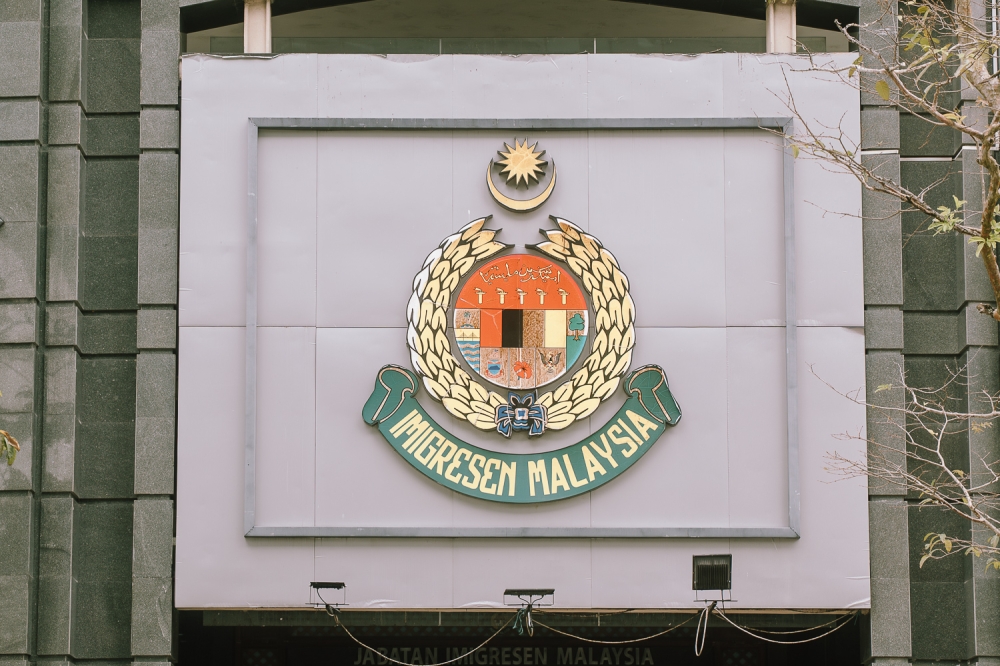
The Malaysian Immigration Department succeeded in breaking up an organised passport forgery network operating in Kuala Lumpur, marking a significant enforcement victory against document fraud. Three Indonesian nationals were taken into custody following coordinated raids, with authorities recovering 119 forged passports from multiple locations across the city. The operation highlights the persistent threat posed by sophisticated criminal syndicates exploiting Malaysia's position as a regional hub for illegal immigration and document fraud.
Investigations revealed that the syndicate operated with considerable organisation, suggesting members had cultivated expertise in replicating security features inherent in genuine travel documents. The scale of the recovery—nearly 120 counterfeit passports—indicates the operation was actively servicing demand among individuals seeking fraudulent documentation. For Malaysia's Immigration Department, dismantling such networks remains a critical priority given the potential security implications of forged documents circulating within the country's migration system.
The three detainees face serious charges under Malaysian immigration and document fraud statutes. Their identities and specific roles within the syndicate structure have been documented by authorities, though interrogations continue to establish the full extent of their operations and any involvement by additional network members who may remain at large. The Immigration Department's investigation is expected to reveal how the forged passports were distributed and the range of individuals or criminal networks benefiting from this illicit supply.
Document forgery rings targeting Southeast Asian countries frequently exploit inadequate security protocols or the accessibility of legitimate government facilities in certain jurisdictions. The sophistication required to replicate modern passport security features—including holograms, microprinting, and embedded security threads—suggests members possessed either technical training or access to equipment capable of high-quality duplication. Understanding how this particular syndicate acquired such capabilities is central to preventing recurrence and identifying potential supply chain vulnerabilities.
The recovery of such a large batch of forged documents underscores how transnational criminal networks have adapted to leverage Malaysia's central geographic position within Southeast Asia. The country serves as both a destination for migrants seeking employment and a transit point for individuals moving between regional labour markets. This migration dynamic, while economically significant, simultaneously creates vulnerabilities that organised crime groups exploit for profit.
For Malaysia's border security infrastructure, the incident raises important questions about detection capabilities at entry and exit points. Forged passports represent a direct threat to national security, as they enable individuals with undetermined backgrounds to enter the country undetected. Improving document authentication technology and training Immigration Department officers to identify sophisticated counterfeits remains an ongoing challenge as criminals continuously refine their methods.
The broader context of this operation reflects regional trends in identity fraud and document trafficking. Indonesian nationals have featured prominently in several comparable cases across Southeast Asia, suggesting organised recruitment and training networks operate across international borders. Cooperation between Malaysia's Immigration Department and counterpart agencies in Indonesia and neighbouring countries will be essential to dismantle upstream production facilities and disrupt recruitment pipelines supplying personnel to these syndicates.
Authorities have appealed for public cooperation in reporting suspected document forgery activities and irregular immigration networks. Community information often proves crucial in locating clandestine operations, particularly in urban areas where such activities can easily blend into legitimate commercial activity. The Immigration Department maintains dedicated hotlines and online reporting mechanisms encouraging citizens to report suspicious activity without fear of retaliation.
The seized forged passports are currently undergoing forensic analysis to determine their origin and identify any government facilities or legitimate production processes that may have been compromised. This technical examination could reveal whether the syndicate operated independently or had corrupted officials within government agencies responsible for legitimate passport issuance. Any evidence suggesting internal corruption would trigger separate investigations by the Malaysian Anti-Corruption Commission.
Beyond immediate law enforcement implications, this case demonstrates Malaysia's commitment to combating transnational organised crime targeting its immigration system. Regular enforcement actions, public awareness campaigns, and technological improvements to document security all contribute to a comprehensive anti-fraud strategy. However, the continued emergence of sophisticated forgery operations suggests that criminal investment in this sector remains lucrative enough to justify ongoing criminal enterprise.
The incident also reflects broader challenges facing Malaysia's labour-dependent economy, where demand for foreign workers creates conditions exploited by criminal networks offering fraudulent documentation solutions. Legitimate pathways for migrant workers exist through official channels, yet informal markets for forged documents persist due to both cost considerations and circumvention of regulatory requirements. Balancing labour market needs with security imperatives remains an ongoing policy challenge for Malaysian authorities.
Investigators will continue tracking networks associated with the detained individuals to prevent reconstitution of the syndicate or migration of operations to other jurisdictions. Intelligence gathered from this operation will inform future enforcement strategies and help identify patterns in how forged documents circulate through migration channels. Regional intelligence sharing mechanisms will amplify the impact of this single operation, potentially disrupting related networks operating in neighbouring countries.

