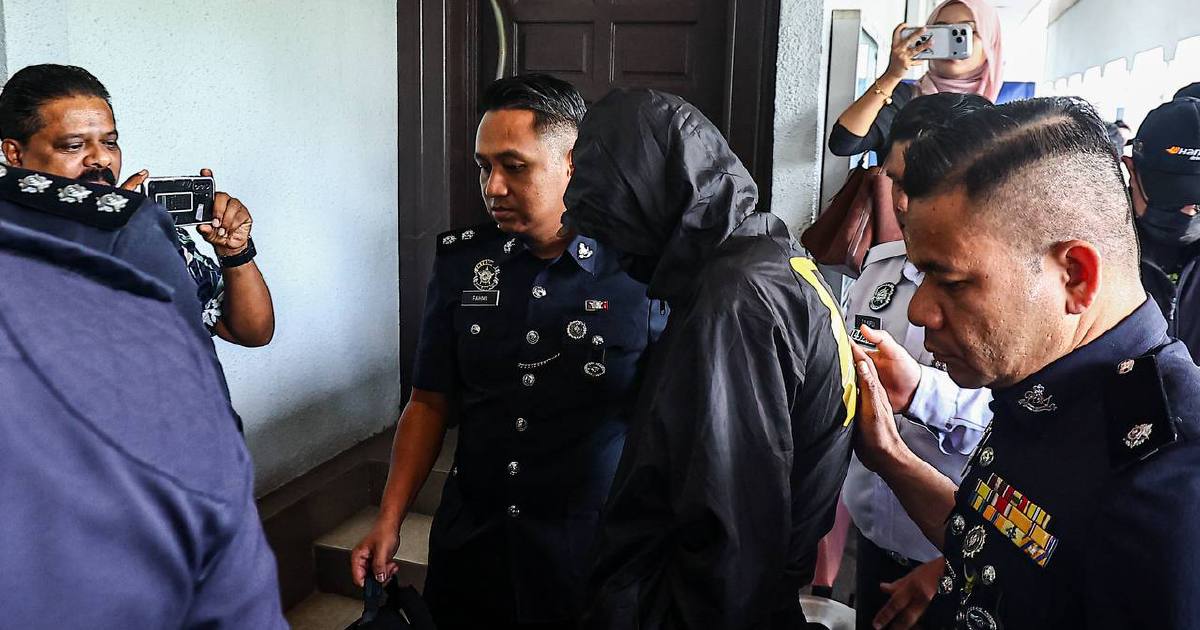
The operator of an Immigration Department vehicle has entered the magistrates' court in Kuala Lumpur to face charges stemming from a catastrophic road collision that claimed lives on Jalan Sultan Ismail. His arrival on Tuesday occurred amid a formidable police security presence, underscoring the gravity of the incident and heightened public attention surrounding the accident.
Jalan Sultan Ismail, one of the capital's busiest thoroughfares linking commercial and residential districts, has witnessed numerous vehicular incidents over the years. The corridor's heavy traffic volumes, multiple intersection points, and mix of private vehicles, commercial transport, and public transport create complex road dynamics that require constant vigilance from all road users. Yesterday's fatal incident has renewed focus on safety protocols along this heavily traversed route, particularly regarding large commercial vehicles.
The involvement of an Immigration Department vehicle adds an institutional dimension to the proceedings, raising questions about fleet maintenance standards, driver training protocols, and workplace safety practices across government departments. The Immigration Department operates a substantial fleet of vehicles for its border control operations, enforcement activities, and administrative functions. Questions now emerge regarding whether routine maintenance checks were current and whether the driver possessed appropriate licensing and training credentials for operating heavy goods vehicles.
The magistrates' court proceeding represents the initial stage of Malaysia's judicial process for determining culpability in fatal traffic incidents. Charges in such cases typically range from causing death by negligence to dangerous driving causing fatality, contingent upon the evidence presented by the investigating authority. The police presence during the driver's court arrival reflects both security protocols for high-profile cases and the potential for public interest or concerns surrounding the incident.
Traffic fatalities involving large commercial vehicles present particularly challenging investigative scenarios. Authorities must examine multiple factors including vehicle condition, driver fatigue, brake functionality, load distribution, and adherence to traffic regulations. The Immigration Department vehicle's involvement necessitates additional scrutiny regarding departmental fleet operations and whether institutional procedures contributed to circumstances leading to the collision.
This incident arrives amid broader Malaysian discourse regarding road safety and the accountability of commercial vehicle operators. Recent years have witnessed increasing emphasis on stricter enforcement of traffic laws, enhanced penalties for dangerous driving, and improved vehicle safety standards. Government agencies operating public fleets face heightened public expectations to demonstrate exemplary driving standards and maintenance practices, setting examples for the broader motoring public.
The fatal nature of the Jalan Sultan Ismail collision has mobilised police resources for comprehensive forensic investigation. Technical examinations of the vehicle, scene reconstruction analysis, witness statements, and potential video evidence from traffic cameras or dashcams will collectively inform the prosecution's case. The duration and complexity of such investigations frequently extend over weeks or months before final charges are determined.
For the affected families, the court proceedings represent a formal mechanism for accountability, though the judicial process often provides limited comfort for those grieving sudden loss. Malaysia's legal framework attempts to balance justice with rehabilitation and deterrence, yet road traffic deaths frequently highlight the inadequacy of penalties as preventative measures when compared with enhanced enforcement and driver education initiatives.
The Immigration Department itself faces institutional scrutiny regarding its fleet management practices. Beyond criminal proceedings against the individual driver, departmental procedures governing vehicle maintenance, driver selection and training, and operational safety protocols may undergo internal review. Such examinations often catalyse broader institutional reforms aimed at preventing recurrence.
Jalan Sultan Ismail's significance as a major arterial route means that incidents here receive substantial attention from both authorities and the public. The corridor's safety record and future preventative measures, potentially including enhanced traffic management, improved signage, or reinforced enforcement operations, may emerge from this incident's aftermath. Such infrastructure and enforcement enhancements frequently address systemic vulnerabilities only after tragic events occur.
The coming court sessions will determine whether charges proceed to trial or whether alternative legal pathways emerge. Throughout Malaysia's judicial process, the presumption of innocence remains paramount, though the severity of fatal collision cases typically results in serious criminal charges when evidence substantiates culpability. Public confidence in equitable justice application remains essential, particularly when government employees face charges, ensuring that institutional position does not influence legal proceedings.
As investigations continue and court procedures advance, road safety advocates emphasise that individual accountability must combine with systemic improvements addressing infrastructure, enforcement, and driver education. The immigration department vehicle incident exemplifies how single catastrophic moments can reshape institutional practices and potentially influence national traffic safety policies, contributing to broader efforts reducing Malaysia's persistent road fatality rates.

