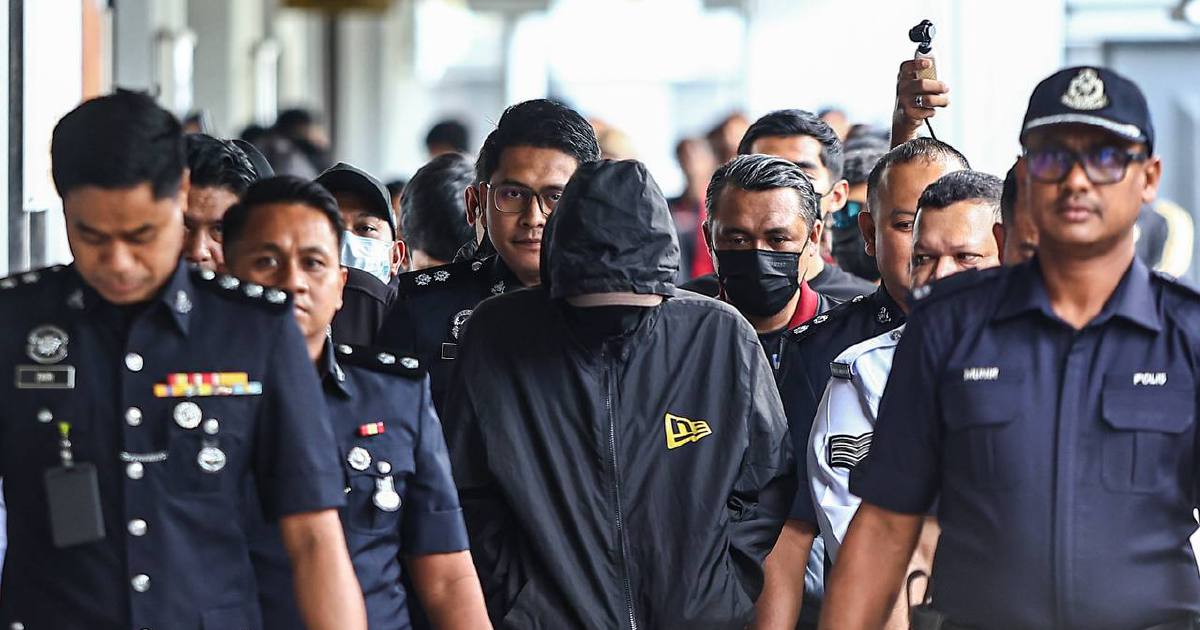
A driver employed by Malaysia's Immigration Department appeared in court here today to answer charges stemming from a devastating road accident that claimed three family members at the Maju Junction intersection. The driver, operating an official departmental lorry, has entered not guilty pleas to a total of five charges, marking the formal beginning of proceedings into what has become a closely scrutinised case involving a government vehicle and civilian fatalities.
The incident, which occurred yesterday, has reignited urgent conversations about road safety and accountability involving government personnel operating heavy vehicles in busy urban intersections. The fatal collision has sent shockwaves through the public consciousness, particularly given the involvement of an Immigration Department employee and the tragic loss of multiple family members in a single incident. Such cases invariably draw intense public and media attention, as they intersect concerns about institutional responsibility, public safety, and the effectiveness of enforcement mechanisms surrounding government vehicle operations.
Among the five charges presented in court, the three counts of causing death by reckless or dangerous driving represent the most serious accusations and will likely form the centrepiece of the prosecution's case. The remaining charges have not been detailed, but they may relate to additional traffic violations or breaches of driving regulations discovered during the investigation. The magistrate has scheduled the case for further proceedings, though no trial dates have been set at this stage. The driver's legal team has indicated their intention to contest all charges, suggesting a potentially protracted legal battle ahead.
The Maju Junction intersection, located in a heavily trafficked area of the federal territory, has witnessed numerous accidents over the years. This particular collision raises important questions about pedestrian safety, traffic management, and whether existing infrastructure and enforcement measures are adequate to prevent such tragedies. The circumstances surrounding the crash—whether it involved traffic light violations, excessive speed, mechanical failure, or driver inattention—have not yet been fully disclosed by authorities, though investigations continue. The Royal Malaysia Police have been leading the investigation into the precise sequence of events that led to the collision.
The involvement of a government department adds a layer of institutional complexity to the case. The Immigration Department, like all government agencies operating vehicle fleets, bears a duty of care regarding the maintenance, safety protocols, and training standards applied to its drivers. Questions may inevitably arise about whether pre-collision inspections were conducted, whether the vehicle's condition met safety standards, and whether the driver had undergone appropriate defensive driving training. Public sector accountability in such matters extends beyond individual driver culpability to encompass organisational responsibility.
From a legal standpoint, charges of causing death by dangerous or reckless driving in Malaysia carry potential sentences of up to fifteen years' imprisonment and substantial fines. The prosecution must demonstrate that the driver's conduct fell significantly below the standard of a reasonable and prudent driver, and that this departure from acceptable driving standards directly caused the fatalities. The defence strategy will likely focus on scrutinising whether the evidence meets this high threshold and whether alternative explanations for the accident might exist.
The wider Malaysian public has grown increasingly concerned about fatal traffic incidents involving government vehicles. While such incidents remain statistically rare relative to overall traffic fatalities, they attract disproportionate public attention because they raise questions about whether public servants are held to the same standards as ordinary citizens. This case will be watched closely by civil society organisations and community groups interested in transport safety and institutional accountability. The outcome could influence public discourse on whether stronger enforcement measures or additional training protocols are required for government drivers.
For the bereaved family, the court proceedings represent the formal mechanism through which accountability will be established. Malaysian courts have previously demonstrated their capacity to impose substantial sentences in fatal traffic cases where culpability has been established. However, the legal process, while important for establishing facts and determining culpability, cannot restore what has been lost. The family's pursuit of justice through the courts will likely occupy considerable time and emotional energy in the months and potentially years ahead.
The case also intersects with broader road safety concerns across Malaysia and Southeast Asia. The region continues to grapple with persistently high traffic fatality rates. Fatal collisions involving heavy vehicles at major intersections are not uncommon, though their involvement with government agencies adds a particular dimension. Road safety experts often emphasise that preventing such tragedies requires multifaceted approaches, including infrastructure improvements, enforcement intensity, driver education, and vehicle safety standards. Individual prosecutions, while necessary for accountability, represent only one component of comprehensive road safety strategies.
As the case proceeds through the courts, attention will remain on how rigorously the evidence is examined and whether the investigation has thoroughly explored all contributing factors. The magistrate's court will eventually determine whether to uphold the charges or dismiss them at the conclusion of the prosecution's case. Should the matter proceed to trial in a higher court, the evidentiary bar will become even more stringent. For the defendant, today's court appearance marks the beginning of a lengthy legal process that will ultimately determine both his personal liability and, to some extent, institutional accountability for the events of that tragic day.

