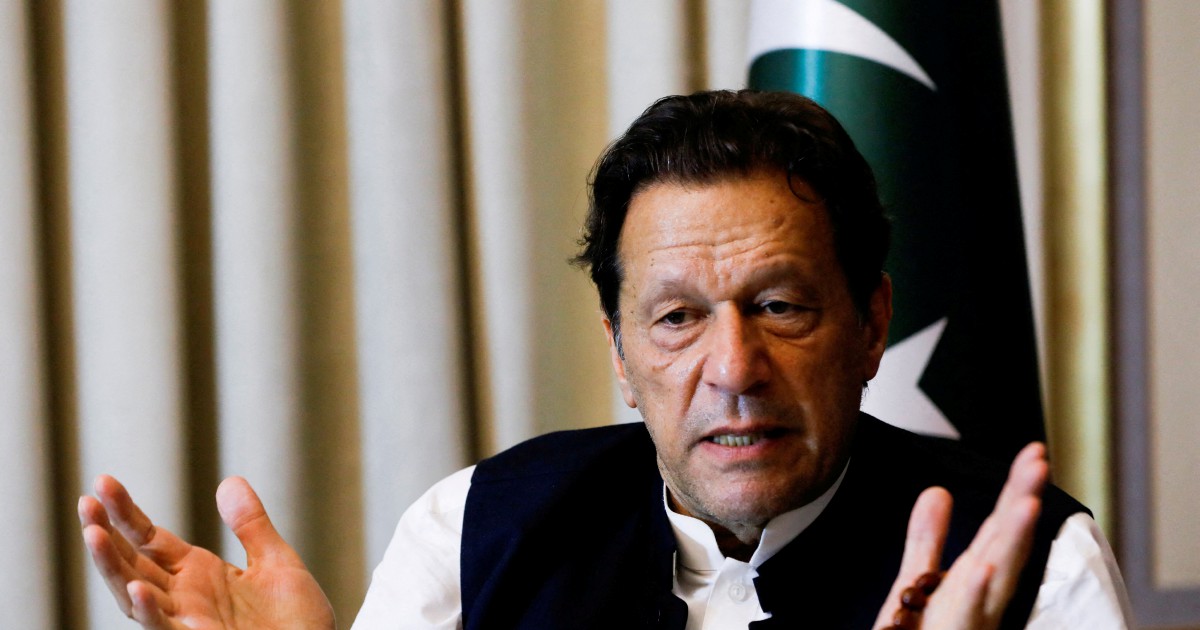
Former Pakistani Prime Minister Imran Khan has been remanded to custody after undergoing a medical evaluation at a healthcare facility in Islamabad, according to a senior Pakistani official. The development, announced Friday, came following explicit court directives that mandated the health assessment before determining the cricketer-turned-politician's detention status.
The decision to conduct a medical examination before proceeding with Khan's case underscores the judicial complexity surrounding his arrest and the various legal challenges he faces within Pakistan's justice system. Such medical evaluations are typically ordered when questions arise regarding an individual's fitness to remain in custody or when defence teams raise concerns about health conditions that may have been aggravated by imprisonment.
Imran Khan's incarceration has become emblematic of the broader political turbulence gripping Pakistan, where former leaders frequently find themselves entangled in legal proceedings following changes in power. His detention represents a continuation of legal proceedings that have pursued him since his departure from office, with multiple cases filed against him across different jurisdictions within the country.
The return to jail following the medical examination indicates that the court found no grounds to modify his detention status based on health considerations, or that the examination was merely procedural. This development maintains the status quo of his ongoing custody while legal proceedings continue through Pakistan's judicial system.
For Malaysian observers, Khan's situation illustrates the volatile nature of political transitions in South Asia, where changes in government frequently result in criminal investigations targeting predecessor administrations. Unlike Malaysia's relatively more established mechanisms for political transitions, Pakistan's trajectory demonstrates the risks when institutional safeguards prove insufficient to protect former office-holders from weaponised prosecutions.
Khan's detention also reflects deeper institutional challenges within Pakistan's judiciary and law enforcement agencies, which operate within a complex web of competing interests involving civil government, military influence, and factional politics. These structural issues have consistently complicated judicial impartiality and created perceptions—whether justified or not—that the legal system serves factional political interests.
The international dimensions of Khan's case have garnered attention from observers across the Muslim world and beyond, with various human rights organisations scrutinising the proceedings for potential violations of due process. His prominence as a global figure, stemming from his cricket career and international profile, has elevated his legal troubles beyond mere domestic Pakistani concern.
Since his initial arrest, Khan has maintained that prosecutions against him represent politically motivated persecution orchestrated by rivals seeking to eliminate him as a political force. His supporters have organised rallies and demonstrations demanding his release, framing his detention as part of a broader assault on democratic principles and judicial independence.
The medical examination itself may prove consequential for future legal developments. Should any health issues be documented, they could become relevant in subsequent bail hearings or appeals, potentially providing legal avenues for defence teams to argue for modification of his detention conditions.
Pakistan's handling of Khan's case will likely influence regional perceptions of the country's commitment to rule of law and democratic governance, particularly as neighbouring nations and international observers continue monitoring developments. For Southeast Asian policymakers, Pakistan's experience serves as a cautionary tale regarding the importance of robust institutional checks against selective prosecution of political opponents.

