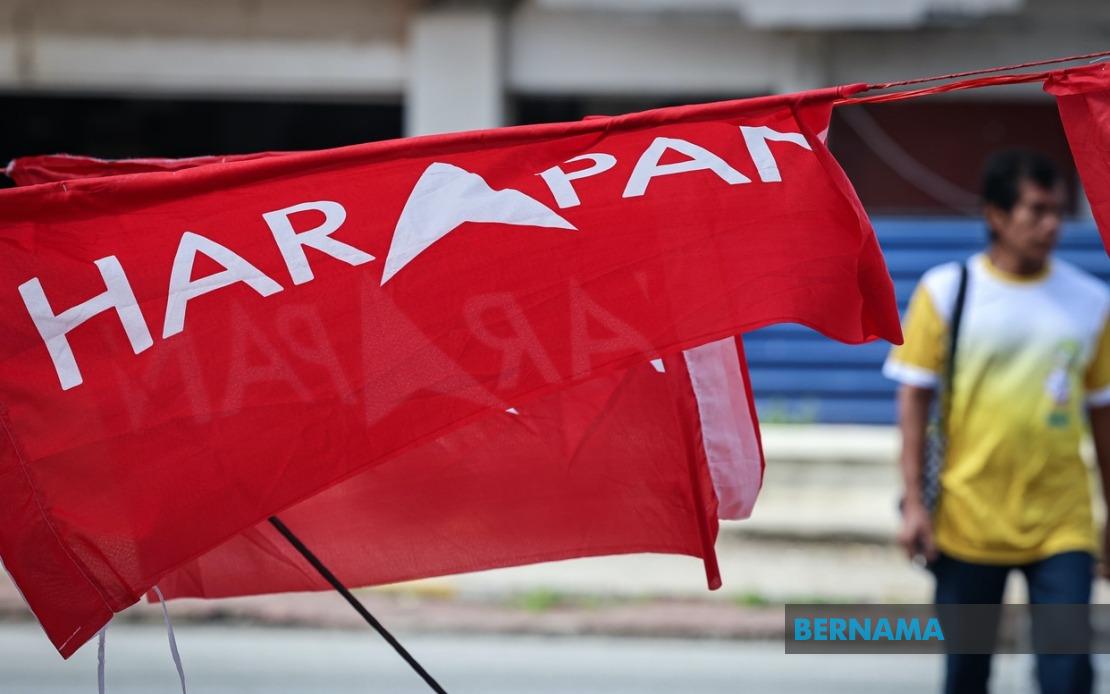
Pakatan Harapan candidates contesting in the 16th Johor state election are deploying an integrated campaign strategy in the closing week before voters head to the polls on July 11, combining traditional on-ground mobilisation with digital-first voter outreach. The approach reflects the evolving nature of Malaysian electoral campaigns, where candidates must simultaneously master both the mechanics of neighbourhood-level politics and the algorithms that govern social media visibility. With only five days remaining until polling day, the momentum has shifted decisively into the final sprint, with party machinery working to convert campaign messaging into actual votes across the state's 56 state assembly seats.
The hybrid model being implemented across PH's 16 Johor candidates represents a recognition that modern voters consume political information through fragmented channels—some still preferring face-to-face encounters at community gatherings, others relying entirely on social media feeds and messaging applications for political news. Rather than viewing these channels as competing, PH's campaign apparatus has strategically positioned them as complementary, with each medium serving a distinct demographic or reinforcing the same message through different registers. Digital platforms have essentially become what candidates are calling virtual campaign rooms, where manifestos are distilled into digestible content formats and distributed directly to voters without journalistic intermediaries. This direct-to-voter model also enables rapid feedback loops, allowing candidates to adjust messaging in real time based on community reactions and questions posted online.
The physical presence of senior party leadership across Johor constituencies has become a crucial element of this dual-track approach. Penang Chief Minister Chow Kon Yeow's appearance alongside Simpang Jeram incumbent Nazri Abdul Rahman exemplifies how established political figures are being mobilised to provide credibility and generate local media attention for candidates. These high-profile visits serve multiple purposes simultaneously: they energise grassroots party workers who see their efforts validated by top leadership, generate local news coverage and social media content from supporters, and implicitly communicate to voters that the party views their constituency as winnable. For constituencies perceived as competitive, such leadership deployment signals confidence and resource allocation, factors that can influence voter calculations about which party has momentum.
TikTok has emerged as the most unexpectedly effective platform in this campaign cycle for several PH candidates, a development that speaks to broader shifts in how Malaysians, particularly younger voters, engage with political content. Tiram candidate Nor Zulaila Abd Ghani has accumulated social media attention through a deliberately casual presentation style that contrasts sharply with the formal political rhetoric that traditionally dominates Malaysian electoral campaigns. Comments praising her approachability—describing her as the "perfect candidate" who will "bring our voices in the assembly"—suggest that voters are responding not merely to policy positions but to perceived authenticity and relatability. This represents a departure from the stiff, top-down political communication that characterised earlier eras, and suggests that younger voters may be drawn to candidates who appear comfortable in digital spaces and capable of genuine two-way dialogue.
Different candidates are deploying different digital platforms according to their perceived strengths and target demographics, a level of strategic specialisation that indicates sophistication in understanding platform-specific audiences. Dr Maszlee Malik, the Puteri Wangsa candidate, has established an official WhatsApp Channel branded as Gerak Sama Dr Maszlee Malik—essentially a direct messaging tool that allows supporters and voters to follow campaign developments and submit questions or suggestions without the intermediary filter of public social media. This private-channel approach appeals particularly to older voters and those seeking direct communication without public scrutiny. Machap candidate Nor Hafiz Roslan has chosen Facebook as his primary digital platform, a strategic choice reflecting that platform's user demographic in Malaysia, which skews older than TikTok but younger than traditional broadcasting channels. His emphasis on his professional background as a lawyer and community activist seeks to establish credibility through demonstrated expertise.
Geographic and logistical constraints are being addressed through Tanjung Surat candidate Faizul Abdul Ghani's "Jelajah Trak Harapan" mobile campaign approach, which deploys campaign resources to multiple localities rapidly. This methodologically addresses a fundamental challenge in Malaysian state elections—constituencies often span geographically dispersed areas with poor transportation links, making it logistically expensive to reach all communities through traditional door-to-door canvassing alone. The mobile campaign platform allows candidates to maintain a sustained physical presence across multiple villages without requiring permanently stationed campaign infrastructure in each location. This approach is particularly valuable in rural and semi-rural constituencies where voters have limited access to dense digital infrastructure and continue to prefer in-person political engagement.
The scaling of these hybrid approaches across PH's full slate of candidates indicates that the party's central campaign strategists have moved beyond ad-hoc experiments toward systematised deployment of integrated voter engagement. Rather than leaving digital strategy to individual candidate initiative, the coordinated emphasis on both grassroots and online channels suggests the party is operating according to deliberate strategy. This institutionalisation of hybrid campaigning reflects lessons learned from previous Malaysian electoral cycles where parties that failed to adapt to digital channels lost ground to competitors who understood how to mobilise younger, urban voters through platforms they regularly inhabited.
The timing of this intensive final-week push is consequential. The seven days immediately preceding polling day represent the period when voter attention is highest and when campaign messaging has maximum impact on undecided voters. By concentrating effort across both grassroots and digital channels simultaneously, PH aims to ensure message saturation—voters encounter campaign messaging whether they are scrolling TikTok, attending neighbourhood talks, or checking WhatsApp. The cumulative effect of multiple touchpoints across different channels creates impression frequency that influences voting decisions, particularly among persuadable voters who have not yet committed to a candidate. The presence of senior leaders during this critical week amplifies this effect by generating news coverage that extends campaign messaging beyond direct candidate outreach.
The Early Voting Commission has scheduled early voting for security personnel on July 7, the day immediately before polling day proper, which means that the final campaign push must conclude by July 10. This compressed timeline intensifies the urgency of candidate campaign activities. Every remaining day represents an irreplaceable opportunity to convert undecided voters and to mobilise supporters to actually participate in voting, with particular emphasis on ensuring that supporters registered in constituencies perceived as competitive turn out on polling day. The Election Commission's July 11 polling date was announced weeks in advance, allowing campaigns to build momentum and resource allocation strategies around this specific deadline.
For Malaysian electoral observers and campaign strategists across the opposition and ruling coalitions, the Johor state election serves as a practical demonstration of how integrated digital and grassroots strategies function at scale in contemporary Malaysian politics. The specific platforms chosen—TikTok, WhatsApp, Facebook—reflect realistic assessments of where different voter segments consume information in 2024. Parties that master this hybrid approach appear positioned to maintain competitive advantage in upcoming federal and state elections, while those relying on single-channel strategies risk reaching only narrow demographic segments. The outcome of Johor polling will provide empirical evidence about whether this integrated approach succeeds in translating digital engagement and grassroots energy into actual electoral gains, offering strategic lessons for all Malaysian political parties contesting future elections.

