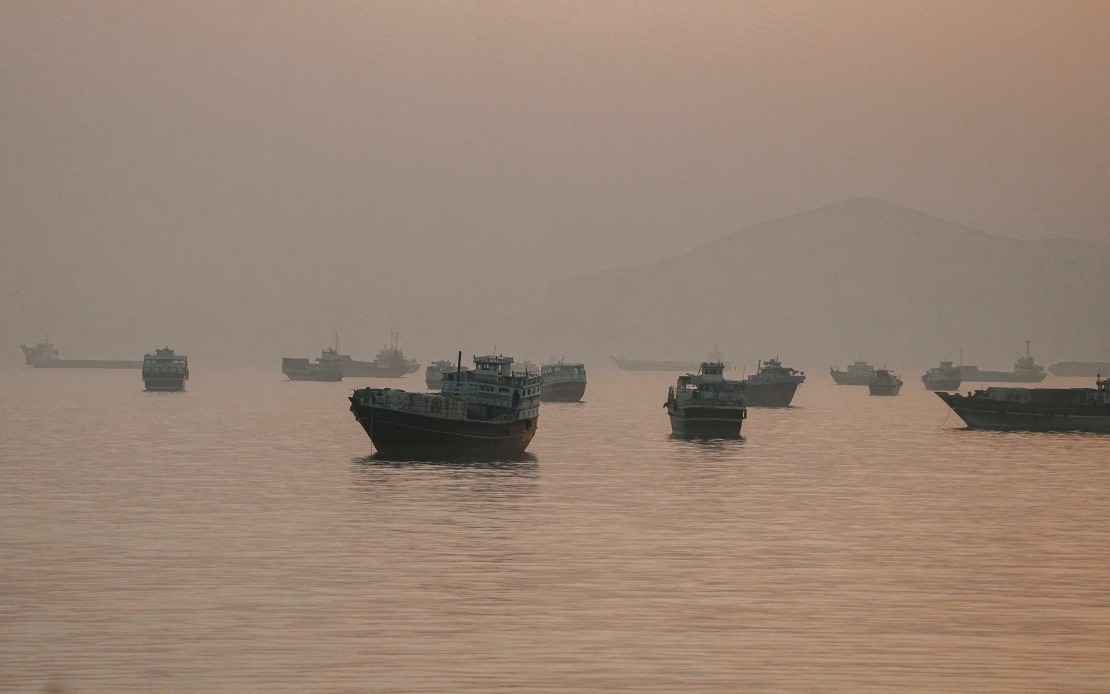
India's maritime regulator has taken the unusual step of restricting its own seafarers from serving aboard vessels transiting one of the world's most critical shipping corridors. The Directorate General of Shipping issued the directive late Wednesday, instructing shipowners, vessel managers, and recruitment agencies to cease deploying Indian maritime workers on routes traversing the Strait of Hormuz. The move represents a stark acknowledgment of the escalating risks confronting commercial shipping in a region already fractured by geopolitical tensions and military activity.
The timing of New Delhi's intervention underscores the deteriorating security situation in the Persian Gulf. Recent days have witnessed multiple attacks targeting merchant vessels operating through the narrow waterway that connects the Gulf of Oman to the Arabian Sea—a passage through which roughly one-third of global maritime oil traffic flows. The sequence of incidents has proven particularly costly for Indian nationals, with two seafarers killed and several others wounded in separate attacks on commercial shipping over a 72-hour period. These casualties have forced India's hand and prompted decisive action to protect its maritime workforce from further harm.
Tensions in West Asia have reached critical levels as renewed confrontation between the United States and Iran threatens to destabilise shipping operations across the region. The Strait of Hormuz, already one of the world's most heavily militarised maritime zones, has become increasingly dangerous for commercial traffic. The regulatory prohibition reflects India's assessment that the conflict dynamics have fundamentally altered the risk profile for vessels in the area, transforming what was already a challenging navigation zone into an actively hostile environment for seafaring personnel.
For Southeast Asian readers and maritime industry stakeholders, India's decision carries significant implications. Indian seafarers represent a substantial portion of the global merchant marine workforce, with tens of thousands employed annually on international vessels. A major source nation imposing such restrictions signals that shipping companies and flag states operating in the region should seriously reassess their risk management strategies. The move may prompt other maritime nations with significant seafaring populations to adopt similar protective measures, potentially constraining global shipping operations and complicating crew assignments for international vessels.
The Strait of Hormuz's strategic importance cannot be overstated, particularly for economies dependent on energy imports. Malaysia, along with other Southeast Asian nations, relies heavily on stable shipping through this waterway for oil and liquefied natural gas supplies. Disruptions to normal maritime operations—whether through physical attacks, military activity, or workforce restrictions—create ripple effects across supply chains and energy markets far beyond the immediate conflict zone. The Indian government's proactive stance reflects broader concerns about maritime security that resonate throughout Asia's shipping and energy sectors.
Industry analysts have long warned that geopolitical instability in strategic chokepoints creates systemic vulnerabilities. The Strait of Hormuz has experienced previous periods of tension, yet the current escalation appears qualitatively different in its impact on civilian shipping. The targeting of merchant vessels suggests a deliberate willingness to disrupt commercial traffic as part of broader strategic competition. Shipowners operating in the region now face compounding pressures: escalating insurance premiums, difficulty recruiting qualified personnel, potential regulatory restrictions from major seafaring nations, and heightened operational complexity requiring specialized security measures.
India's directive also highlights the human cost of regional conflicts often obscured in geopolitical analysis. Maritime workers, typically drawn from lower-income populations seeking employment opportunities abroad, bear disproportionate risks when tensions flare. The families of the two Indian seafarers killed in recent attacks face devastating consequences from conflicts in which they have no involvement. New Delhi's intervention, while primarily a protective measure, also serves as a reminder that shipping industry workers—many from developing nations—require stronger safeguards when operating in conflict-affected areas.
The regulatory action raises practical questions for the global shipping industry about how companies will manage crew assignments on vessels requiring transit through the Strait of Hormuz. Shipowners may increasingly turn to seafarers from nations without similar restrictions, potentially creating a two-tiered system where workers from certain countries face exclusion from higher-risk routes. This could influence competitive dynamics in maritime recruitment and alter employment patterns for seafaring nationals from various countries, including those across Southeast Asia.
Governments throughout the region should take note of India's decisive action as a potential template for protecting their own maritime workforces. The Indian approach—using regulatory authority to mandate safety compliance rather than relying on voluntary industry self-regulation—demonstrates the willingness of major maritime nations to intervene directly when their citizens face substantial danger. This precedent may encourage other labour-sending countries to adopt comparable restrictions, potentially accelerating a broader reassessment of how international shipping manages operations in geopolitically volatile zones.
The broader implication for maritime stability remains concerning. As major source countries increasingly restrict their seafarers from high-risk regions, shipping companies face mounting operational challenges that could ultimately increase costs and reduce efficiency in global trade. For Southeast Asia, which depends critically on uninterrupted maritime commerce and hosts significant shipping hubs, the ripple effects of escalating regional tensions and protective governmental responses warrant close monitoring and considered policy responses.

