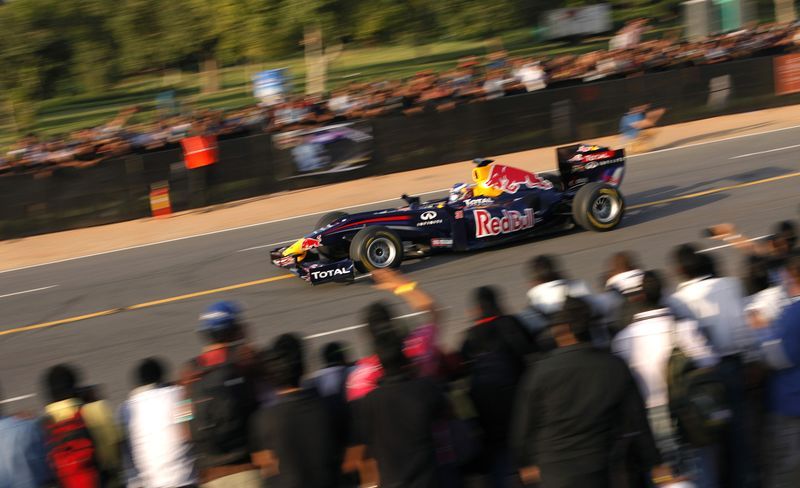
India's government is mounting a fresh bid to resurrect Formula One racing on home soil, targeting a return to the Buddh International Circuit on the outskirts of New Delhi by 2028. The initiative comes more than a decade after the Indian Grand Prix was abandoned, reflecting renewed determination to overcome the bureaucratic and fiscal barriers that derailed the motorsport spectacle in the past.
The Indian Grand Prix enjoyed a brief but high-profile existence on the global racing calendar. The inaugural race took place in 2011 at the Buddh International Circuit, marking India's entry into elite motorsport. However, the enthusiasm proved short-lived. After just three editions, the event was discontinued in 2013 following a cascade of regulatory disputes and taxation complications that strained relations between race organisers and government agencies. The premature end of what should have been a flagship international event left a void in India's sporting calendar and highlighted the challenges of hosting world-class competitions within the country's complex institutional framework.
The government's renewed commitment crystallised when Sports Minister Mansukh Mandaviya convened meetings with key stakeholders tasked with resurreecting the event. These discussions included prospective track operators, notably the Adani Group, which is in the process of acquiring ownership of the circuit, alongside representatives from India's motorsports federation. Mandaviya subsequently announced plans to establish a dedicated task force with a mandate to systematically address the structural impediments that sabotaged the previous attempt.
The task force's scope extends well beyond Formula One itself. According to ministry sources, the panel will conduct a comprehensive examination of the regulatory and fiscal environment constraining motorsports development across India. Taxation presents perhaps the most vexing challenge, requiring careful navigation of India's labyrinthine tax codes and interaction between multiple government agencies. The task force will also examine infrastructure adequacies, regulatory frameworks, and broader policy interventions needed to sustain a major international motorsport event.
Taxation disputes formed the crux of previous failures. International Formula One promotions involve complex financial flows, licensing arrangements, and international payments that intersect with India's direct and indirect tax regimes. Officials recognised that without explicit clarity on tax treatment and certainty from revenue authorities, potential promoters would remain reluctant to commit substantial capital. The task force therefore includes representation from India's tax authorities, positioning it to forge consensus on fiscal matters that previously proved intractable.
The government's governance strategy reflects lessons from earlier stumbles. By tasking its apex policy think tank with inter-ministerial coordination, decision-makers aim to dissolve departmental silos that historically complicated such projects. This approach seeks to cut through bureaucratic red tape by forcing horizontal integration across taxation, sports, foreign affairs, and other relevant ministries before disagreements calcify into regulatory obstacles.
The Adani Group's involvement signals serious business intent. The conglomerate's Managing Director of Adani Ports & Special Economic Zone Ltd, Karan Adani, has publicly declared himself "personally engaged" in the project to restore Formula One racing to India. While the company declined to comment directly to international media, this leadership commitment indicates the group views the venture as strategically important, likely seeing Formula One as an opportunity to enhance the circuit's commercial viability and international profile.
Formula One's own stance remains cautiously supportive but non-committal. Chief Executive Stefano Domenicali recently underscored the sport's "big interest" in returning to India, acknowledging the country's vast population and passionate motorsport fanbase as compelling attractions. However, Domenicali's comments also injected realism, indicating that any return hinges on identifying suitable promoters capable of managing the technical and commercial complexities of hosting a Formula One event. Speaking to F1 India broadcaster FanCode, he stressed that the necessary groundwork requires considerable time and that a timeline measured in years rather than months remains realistic.
The 2028 target represents an ambitious yet plausible timeframe. It provides sufficient runway for the task force to negotiate solutions with tax authorities, harmonise regulatory requirements across departments, and allow promoters adequate lead time for track preparations and commercial arrangements. For Formula One, it slots India into post-contract negotiation periods, permitting the sport to sequence its calendar modifications and align with its broader commercial strategy.
India's motorsport landscape stands to benefit substantially from Formula One's return. The sport commands global television audiences exceeding 1.5 billion annually and attracts corporate sponsorship worth hundreds of millions of dollars. A successful Indian Grand Prix would position the country as a major sporting nation hosting the world's most prestigious motorsport franchise, alongside established hubs like Monaco, Singapore, and Britain. For Southeast Asia more broadly, India's re-entry into Formula One expands the sport's geographic footprint and enhances competitive opportunities for regional drivers and manufacturers.
The task force's success, however, remains contingent on converting political commitment into institutional action. Indian government agencies have historically moved at variable speeds when coordinating complex, multi-stakeholder projects. The specific inclusion of tax authority representatives and the elevation of inter-ministerial coordination through the apex think tank suggest organisers have absorbed lessons from previous failures. Whether these structural reforms prove sufficient to navigate India's regulatory apparatus remains the critical question that will ultimately determine whether Formula One engines once again roar across the Buddh International Circuit.

