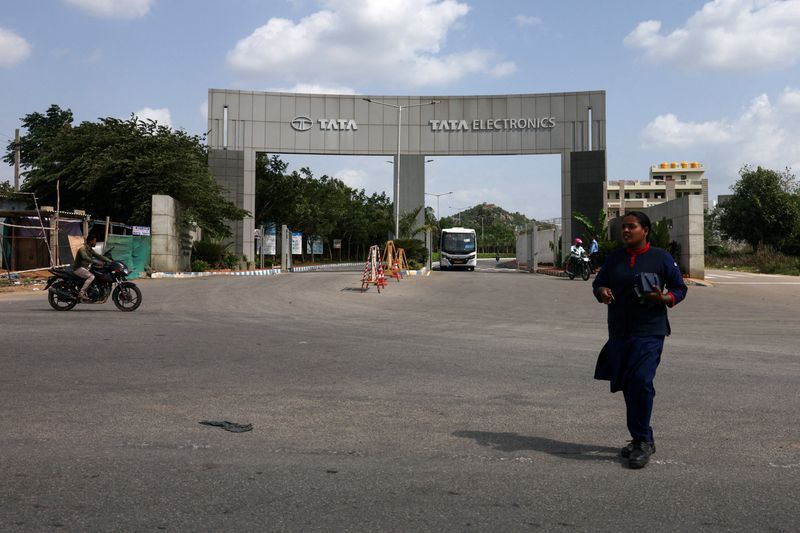
India's government has opened a formal investigation into a substantial data breach affecting Tata Electronics, one of Apple's key manufacturing partners in the region, after sensitive information about the forthcoming iPhone 18 Pro appeared on the dark web. S. Krishnan, secretary of the Ministry of Electronics and Information Technology, confirmed the probe on Thursday, marking the government's first official acknowledgment of the security incident that threatens to disrupt one of the world's most closely guarded product development cycles.
The compromised files allegedly originating from Tata Electronics include detailed component specifications and supplier arrangements for the iPhone 18 Pro models, along with photographs of the unreleased device. A ransomware group is believed responsible for extracting and publishing these materials online, a breach that goes well beyond routine corporate espionage and strikes at the heart of Apple's meticulously controlled supply chain architecture. The exposure of supplier identities is particularly damaging because Apple traditionally keeps such information confidential, using multiple layers of secrecy to prevent competitors from gaining insights into its manufacturing operations and cost structures.
The incident has been escalated to India's Computer Emergency Response Team, the country's principal cybersecurity authority overseeing critical infrastructure and high-profile data protection matters. This formal referral signals the seriousness with which Indian officials view the breach, treating it not merely as a corporate matter but as an issue with broader implications for national technology security and India's reputation as a reliable hub for global manufacturing. For a nation actively courting international technology companies and positioning itself as an alternative manufacturing base to China, such incidents create diplomatic and economic complications.
Apple's supply chain represents one of the most intricate logistics networks ever constructed, involving hundreds of suppliers across multiple continents coordinating to produce components for millions of devices annually. The iPhone 18 Pro and Pro Max are anticipated to launch in September, making the timing of this leak particularly problematic as the company approaches final production ramp-up phases. Any exposure of design specifications, manufacturing processes, or supplier dependencies could provide competitors with crucial intelligence to develop rival products or allow suppliers to leverage their newfound knowledge into better commercial terms.
The leaked documentation extends beyond Apple, with ransomware actors having previously posted files allegedly belonging to Tesla, Qualcomm, and Taiwan Semiconductor Manufacturing Company on dark web platforms. This pattern suggests either a widespread targeting campaign against multiple technology companies or the sale of stolen data packages to different threat actors. Tata Electronics' vulnerability appears part of a broader ecosystem risk affecting numerous firms in the semiconductor and electronics manufacturing sectors, many of which maintain inadequate cybersecurity infrastructure relative to the sensitivity of information they handle.
In response to the breach, Tata Electronics has engaged international forensic specialists to conduct a comprehensive security audit and determine the extent of compromised data, the breach timeline, and vulnerability points within their systems. This external investigation reflects both Tata's recognition of the severity and the complexity involved in analyzing sophisticated attacks, particularly those involving ransomware groups operating from jurisdictions beyond easy legal reach. The audit will likely result in significant expenditures on remediation, system upgrades, and security training across the organization.
The implications for Southeast Asia and India's technology sector are substantial. As companies like Apple, Samsung, and others increasingly diversify their manufacturing footprint away from China amid geopolitical tensions, they are placing greater reliance on suppliers in India, Vietnam, Thailand, and other regional partners. However, this data breach demonstrates that shifting manufacturing locations does not automatically solve cybersecurity challenges; it may introduce new vulnerabilities if local suppliers lack equivalent security infrastructure to Chinese manufacturers who have invested heavily in protection against state-sponsored attacks.
For Malaysian technology companies and those in the broader ASEAN region competing for Apple's business, the Tata incident serves as a cautionary example of the security obligations accompanying such partnerships. Apple maintains notoriously stringent supplier requirements, and any company handling its proprietary information must demonstrate exceptional cybersecurity maturity. The breach may prompt Apple to reevaluate vendor security protocols across its entire supply chain, potentially requiring additional investments from suppliers in Southeast Asia seeking to maintain or expand their relationships with the company.
The competitive intelligence value of the exposed iPhone specifications should not be underestimated. Android manufacturers, particularly Samsung and Chinese firms like Xiaomi and OPPO, can now observe Apple's planned component choices, manufacturing partnerships, and design directions. This intelligence could inform competitive product development strategies and supplier negotiations, effectively shortening the window of competitive advantage Apple derives from its traditional secrecy. Additionally, the exposure of specific supplier relationships could destabilize Apple's carefully maintained balance of dependencies, where multiple suppliers are kept somewhat uncertain about their strategic importance.
India's investigation must also address whether the breach resulted from inadequate cybersecurity practices, insider threats, or exploitation of previously unknown software vulnerabilities. The presence of ransomware suggests the attackers likely deployed common exploitation techniques, implying that Tata's security posture may have fallen behind industry standards for organizations handling classified commercial information. This raises questions about whether Indian regulatory frameworks sufficiently mandate security standards for companies managing sensitive foreign intellectual property.
The incident occurs against a backdrop of increasing cybersecurity incidents targeting India's technology and manufacturing sectors. As the nation establishes itself as a counterbalance to Chinese manufacturing dominance, such breaches risk undermining confidence among multinational corporations considering substantial investments in Indian operations. Government agencies, industry bodies, and individual companies must coordinate to establish enhanced security protocols, threat intelligence sharing, and rapid incident response capabilities to prevent similar incidents.
Moving forward, the investigation's findings will likely influence how global technology companies structure their supplier relationships in India and across Southeast Asia. Companies may demand additional security certifications, implement more frequent audits, compartmentalize sensitive information across multiple suppliers, or even reconsider concentration of manufacturing in any single country. For Tata Electronics and the broader Indian technology sector, the breach represents a significant setback that will require years of demonstrated security excellence to overcome.

