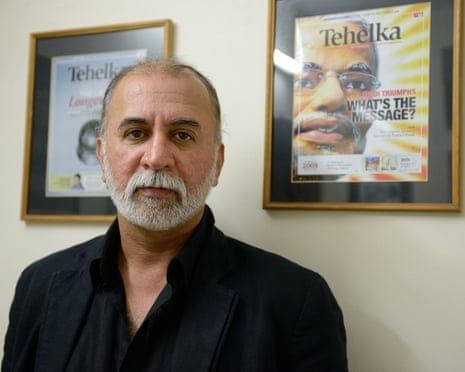
The Bombay High Court in India has delivered a significant verdict in a closely watched sexual assault case, convicting Tarun Tejpal, the 63-year-old founder and former editor of investigative magazine Tehelka, of raping a junior colleague. The conviction on Thursday represents a reversal of an earlier acquittal handed down by a trial court in Goa in 2021, which had dismissed charges including rape, sexual harassment and wrongful restraint. The case has commanded sustained public attention since the alleged incident occurred in November 2013, when Tejpal was accused of assaulting the journalist in a hotel lift during a media event in Goa's five-star hospitality sector.
The legal journey of this case illustrates the complexities and often protracted timelines characteristic of sexual assault prosecutions in India. After his initial arrest, Tejpal spent seven months in custody before securing bail from the Supreme Court, a development that came at a time when public discourse around sexual violence in India was intensifying. The trial court's 2021 acquittal appeared to close the case, but the Goa government challenged the verdict before the Bombay High Court, arguing that the trial court had misapplied the law. The appellate bench subsequently set aside the lower court's decision and convicted Tejpal on the substantive charge, marking a rare instance of conviction being achieved on appeal in such cases.
Sentencing proceedings are scheduled to conclude later on Thursday, with the court yet to determine the appropriate punishment. Tejpal maintains his innocence and is entitled to pursue further appeals through India's higher court system, including potentially approaching the Supreme Court. The accused has exercised his constitutional right to contest the conviction at the appellate level, ensuring that questions of law and fact will receive scrutiny from senior jurists. This extended appellate process is typical in high-profile cases and reflects the Indian judicial system's layered approach to ensuring due process.
For observers of India's media landscape, the case carries profound implications for institutional credibility and the accountability of journalists themselves. Tehelka magazine had established itself as a champion of investigative journalism and social justice reporting, frequently critiquing power structures and advocating for vulnerable populations. The conviction of its founder on charges of sexual assault represents a devastating contradiction to the publication's editorial mission. The magazine's authority and credibility were severely damaged by the allegations and subsequent legal proceedings, a wound that extended beyond the individual accused to the institution itself.
The timing of Tejpal's initial arrest coincided with broader national awakening regarding sexual violence in India. The fatal gang rape of a 23-year-old student on a New Delhi bus in December 2012 had triggered widespread protests and international condemnation just months before Tejpal's alleged assault. That horrific incident prompted substantial legal reforms, including amendments to India's rape laws designed to provide stronger protections and clearer definitions of sexual offences. The government responded to domestic pressure and global scrutiny by strengthening statutory provisions, yet cases such as Tejpal's demonstrate that legal reform alone does not guarantee consistent prosecution or conviction.
The investigation and eventual conviction represent vindication for the survivor, who maintained her allegations through years of legal proceedings and the trauma of a trial court rejection. Goa Police investigator Sunita Sawant, who led the original probe, emphasised the broader significance of the verdict beyond the individual case. Speaking to reporters after the conviction, Sawant noted that the judgment carries particular importance for women working in all professional sectors, signalling that institutional position or social standing does not shield individuals from accountability. The statement reflects growing recognition in India that sexual assault prosecution must apply consistently regardless of the accused's prominence.
Tehelka magazine itself has attempted to move beyond the scandal under new leadership and continues to operate as a publication, though its influence and market position have declined substantially since 2013. The magazine that once set investigative standards for Indian journalism has struggled to regain the credibility and audience reach it commanded before the case emerged. The reputational damage extends beyond mere commercial loss; Tehelka's diminished authority represents a loss for Indian civil society and the investigative journalism ecosystem that holds power accountable.
For Southeast Asian readers and journalists, the case offers instructive lessons about institutional vulnerability and the paradoxes of advocating for justice while failing to practice it internally. Media organisations across the region often promote social reform and human rights while sometimes maintaining workplace cultures that enable abuse. The Tejpal conviction demonstrates that scrutiny and accountability eventually reach even powerful media figures, though the process may span years and require persistent legal challenge. The case also illustrates how trial court acquittals, while typically difficult to overturn on appeal, can be reversed when appellate courts find significant legal error or evidentiary misinterpretation.
The verdict arrives at a moment when India continues grappling with persistent sexual assault challenges despite legal reforms enacted following the 2012 Delhi case. Conviction rates remain relatively low, and survivor testimony continues to face significant scrutiny and challenge in courts. Yet cases such as Tejpal's, where conviction is eventually achieved through appellate review, provide some basis for optimism that the reformed legal framework and heightened institutional awareness can produce accountability even when initial trial outcomes disappoint. The Bombay High Court's decision represents affirmation that sexual assault allegations merit thorough examination and that power imbalances between accusers and accused do not invariably determine judicial outcomes.

