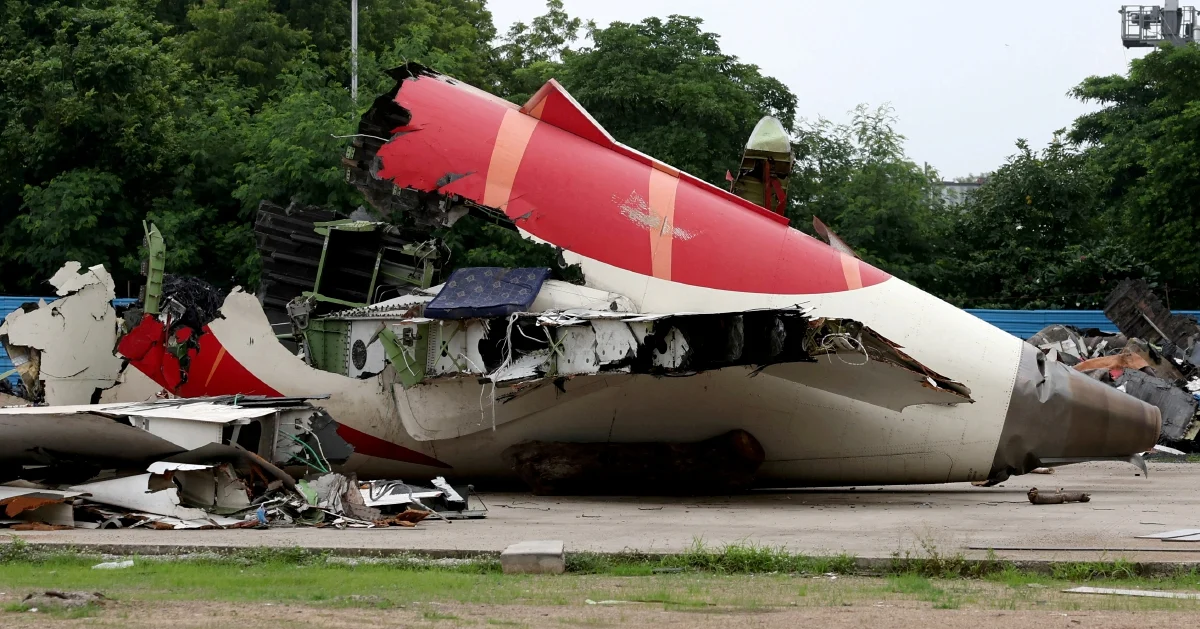
India's aircraft accident investigation authority has made significant progress toward concluding its examination of a catastrophic Air India crash that claimed numerous lives last year, court documents have revealed. The progress encompasses critical technical analysis of the cockpit voice recorder alongside a comprehensive psychological autopsy, signalling that the inquiry is transitioning into its concluding phases.
The completion of the cockpit voice recorder transcript represents a milestone in the investigation, providing investigators with a detailed chronological account of conversations and communications that took place in the flight deck during the final moments of the aircraft. This documentary evidence forms the evidentiary backbone of modern aviation accident investigations, offering investigators insight into the decisions, procedures, and communications between crew members that preceded the tragedy. The transcript would typically illuminate the crew's awareness of developing problems, their response protocols, and whether standard operating procedures were followed or deviated from during critical phases of flight.
Simultaneously, the investigating authorities have undertaken what is termed a psychological autopsy—a clinical evaluation examining the mental state, psychological history, and behavioural patterns of individuals implicated in the accident. This investigative technique extends beyond traditional post-mortem analysis to encompass the psychological condition of surviving crew members or those in positions of operational responsibility. Such assessments are designed to determine whether psychological factors, including stress, fatigue, medical conditions, or cognitive impairment, may have contributed to the sequence of events leading to the accident.
The advancement toward final investigative stages carries particular significance for Malaysia and the broader Southeast Asian aviation community. Regional carriers operate within the same airspace systems and often employ similar aircraft models and crew training protocols as their Indian counterparts. Findings emerging from major accident investigations routinely translate into industry-wide safety directives, affecting operations across the region. Malaysian airlines, particularly those operating long-haul international services, maintain operational relationships and maintenance arrangements with Indian facilities, making investigative conclusions directly relevant to local aviation standards and protocols.
Air India, as India's flagship national carrier and a substantial operator within South Asian aviation infrastructure, maintains considerable visibility across regional markets. The airline operates multiple routes connecting Malaysia and India, serving as a vital air bridge for commercial, business, and leisure travellers. A comprehensive accident investigation with transparent findings strengthens confidence in bilateral aviation services and supports regulatory confidence across both nations' aviation authorities.
The formal court filing documenting these investigative developments suggests that the inquiry has moved beyond the preliminary evidence-gathering phase into substantive analysis. This transition typically involves reconstructing the complete chain of events, cross-referencing physical evidence with recorded data, and developing preliminary findings regarding causal factors. The integration of cockpit voice recorder transcripts with psychological assessments enables investigators to construct a holistic understanding of both technical failures and human factors that may have converged to create accident conditions.
Aviation accidents typically result from multiple contributing factors rather than single failures—a principle known as the Swiss cheese model. The systematic review of cockpit communications against established procedures, combined with psychological profiling, permits investigators to identify breakdowns in decision-making, communication failures, fatigue-related performance degradation, or inadequate training protocols. These findings subsequently inform safety recommendations disseminated across the global aviation community through International Civil Aviation Organization channels.
The psychological autopsy component warrants particular attention in contemporary aviation safety discourse. Mental health conditions, including depression, anxiety, and sleep disorders, have increasingly been identified as contributing factors in aviation incidents. Regulatory bodies across Southeast Asia, including Malaysia's Civil Aviation Authority, have heightened focus on pilot mental health screening, fatigue risk management systems, and confidential reporting mechanisms. Findings from the Air India investigation may influence how regional authorities approach occupational health oversight within their own pilot populations.
For Malaysian aviation stakeholders, including airlines operating competing routes, regulatory bodies overseeing air transport, and passengers utilising these services, transparency in accident investigation outcomes directly impacts confidence in aviation safety. International accident investigation standards mandate comprehensive public reporting, enabling the global aviation community to learn from incidents and strengthen preventative measures. The Air India investigation's advancement toward completion signals that detailed findings will soon become available for technical review and regulatory implementation.
The logistics of conducting psychological autopsies and analysing extensive cockpit voice recorder data require specialist expertise, regulatory coordination, and meticulous documentation. Indian investigators' completion of these components demonstrates institutional capacity and technical sophistication within India's aviation safety infrastructure. Such capabilities matter regionally, as neighbouring countries often rely on cross-border expertise and consultation when investigating significant incidents affecting shared airspace or involving multinational operations.
As the investigation enters its final analytical stage, the producing authority will synthesise findings into formal conclusions regarding probable cause, contributing factors, and safety recommendations. These recommendations carry particular importance, as they drive corrective actions implemented across the global aviation industry. Airlines throughout Malaysia and Southeast Asia monitor such recommendations closely, often incorporating findings into their own operational procedures, training curricula, and maintenance protocols before regulatory directives become formal requirements.
The timing of this investigative progress reflects the systematic nature of modern aviation accident inquiry, where thorough analysis takes precedence over rapid conclusions. While the investigation's advancement represents important institutional progress, final publication of the complete investigation report—including technical findings, detailed analysis, and regulatory recommendations—will determine the practical safety implications for regional carriers and regulatory bodies. The broader aviation community now anticipates the forthcoming report as a significant contribution to understanding accident causation and preventing similar incidents.

