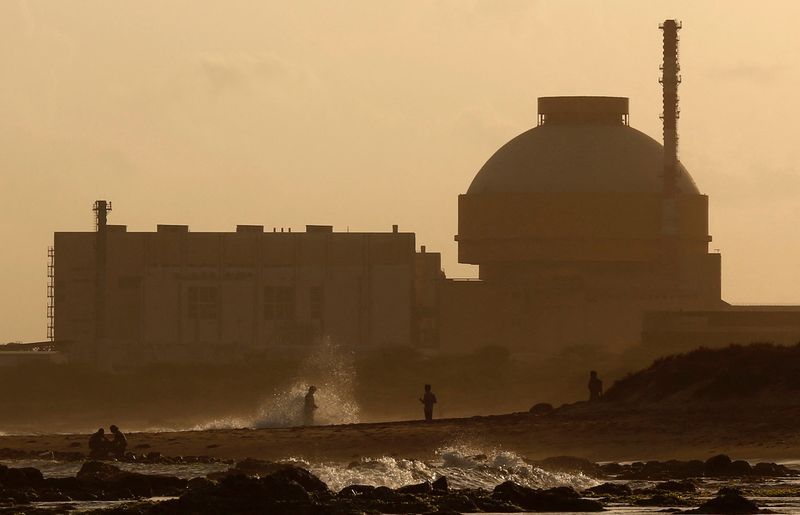
A major cybersecurity incident has compromised the Kudankulam Nuclear Power Plant, India's largest atomic energy facility, with a ransomware collective publishing approximately 19,000 sensitive files on the dark web. The World Leaks group, notorious for targeting multinational corporations, claims the documents originated from Reliance Group, a major contractor involved in the plant's expansion. The breach represents one of the most serious cyber incidents affecting Indian critical infrastructure and raises alarms about the vulnerability of the nation's nuclear programme to digital threats.
Located in Tamil Nadu, Kudankulam forms the cornerstone of Prime Minister Narendra Modi's nuclear energy expansion strategy, designed to significantly increase India's atomic power generation capacity. The plant's operational significance makes any security compromise particularly concerning for national energy security and strategic interests. Reliance Infrastructure, a subsidiary of Anil Ambani's conglomerate, secured a 2018 contract to design and construct infrastructure for the plant's Units 3 and 4, both currently under development with an anticipated 2027 completion date and combined output of 2,000 megawatts.
Reliance acknowledged the incident to Reuters, confirming that their server, hosted by Yotta, a third-party Indian data centre provider, experienced a "partial breach." However, the company remained vague about the specific nature and extent of compromised information. The government has been notified, according to Reliance's statement, though neither India's Department of Atomic Energy nor the Prime Minister's office provided substantive responses to inquiries about the incident. This lack of transparency has intensified concerns about the government's handling of the security crisis and the broader state of nuclear facility protection.
The exposed documents span from 2016 through mid-2025 and purportedly include facility blueprints, supplier information, meeting records, inspection documentation, equipment evaluations, and insurance agreements. Though Reuters examined these files, the publication could not independently verify their authenticity, leaving some uncertainty about the actual scope of sensitive data exposure. Among the most concerning items are purported layouts of the facility's common control room and detailed designs for ventilation and cooling systems serving Units 3 and 4, information that could potentially assist malicious actors in identifying structural vulnerabilities or operational weaknesses.
Nuclear security experts warn that the breach poses "serious" risks to plant safety. Nickolas Roth, a senior director at the Nuclear Threat Initiative, emphasised that exposed documents could enable adversaries to map support systems, identify contractors, and locate security gaps throughout the supply chain. The files potentially reveal not only which organisations have facility access but also the specific systems their credentials can reach, creating multiple vectors for future exploitation. This concern extends beyond immediate physical threats to encompass long-term strategic vulnerabilities in India's nuclear infrastructure.
Yotta reported detecting suspicious server activity on May 29, which it claims to have immediately halted and prevented from executing ransomware. However, Reliance Infrastructure only notified Yotta in late June about public claims of data theft posted by external threat actors. This delay between the initial intrusion and formal notification highlights coordination gaps between private contractors and cybersecurity response mechanisms. Yotta stated it could not independently verify the threat actor's claims but has cooperated with ongoing investigations by sharing technical findings with Reliance Infrastructure.
The India Computer Emergency Response Team, India's primary cyber incident response agency, is investigating alongside the Nuclear Power Corporation of India, which commissions and operates the nation's reactor fleet. Despite their involvement, neither organisation has released public statements regarding investigation progress or remedial measures. The Nuclear Power Corporation's limited transparency contrasts sharply with international best practices for incident disclosure at critical infrastructure facilities, raising questions about whether Indian stakeholders are adequately communicating risks to affected parties.
Notably, the exposed documents do not appear to contain information about the reactors' core systems, which Russia's state-owned Rosatom supplies. This distinction may slightly limit the most immediately catastrophic potential damage. Nevertheless, the compromise of supporting infrastructure designs and security chain details remains deeply problematic. Documents purporting to show a $112 million terrorism insurance policy between Reliance Infrastructure and the Nuclear Power Corporation further underscore the sensitive nature of materials disclosed publicly.
This incident represents India's recurring vulnerability to sophisticated cyber attacks targeting critical sectors. The country ranks third globally for data breaches, with 28.9 million accounts compromised last year according to Surfshark, trailing only the United States and France. Research by the Data Security Council of India and Seqrite revealed that approximately 73 percent of surveyed Indian organisations remain uncertain whether they have experienced attacks, while 57 percent lack adequate cyber hygiene protocols. These statistics suggest systemic deficiencies in India's corporate and government readiness for advanced digital threats.
The World Leaks group, which previously targeted Nike and India's Tata Group, typically publishes stolen data after companies refuse ransom demands. The group reportedly sought $1.5 million from Tata for files containing confidential component designs related to Apple and Tesla, subsequently publishing materials after Tata ignored the extortion request. The group did not respond to Reuters inquiries about the Reliance breach, leaving unclear whether ransom negotiations are ongoing or if the data publication represents a completed extortion cycle.
Kudankulam's security woes extend beyond this current incident. In 2019, malware connected to North Korean hackers was discovered on the plant's administrative systems, though the Nuclear Power Corporation insisted that operational systems remained unaffected. The recurring nature of cyber incidents targeting India's most critical nuclear facility suggests either inadequate protective measures or sophisticated adversary persistence. Successive breaches raise fundamental questions about whether current security protocols sufficiently protect facilities essential to national energy independence and strategic stability.
For Malaysia and other Southeast Asian nations, the Kudankulam breach carries indirect implications. India's nuclear expansion influences regional energy dynamics and security calculations. Compromised nuclear facility security could theoretically affect bilateral cooperation frameworks and collective confidence in regional nuclear safety standards. Furthermore, the incident demonstrates that even major developing economies struggle to protect critical infrastructure from organised cyber gangs, suggesting similar vulnerabilities may affect nuclear or energy programmes throughout Southeast Asia. The exposure underscores the urgent need for coordinated regional approaches to cyber defence and information sharing about emerging threats to atomic facilities.

