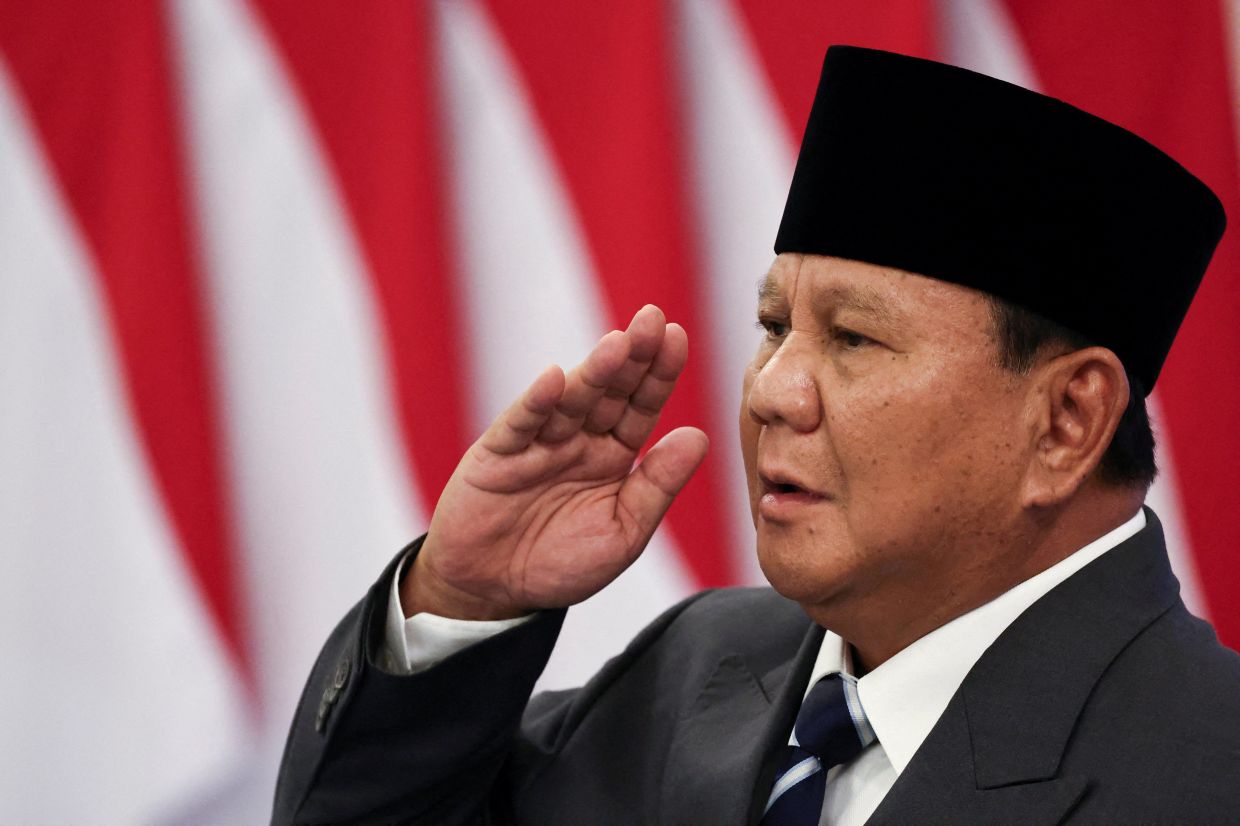
Indonesia's defence ministry has substantially modified its approach to basic military training for the nearly 35,000 prospective managers enrolled in President Prabowo Subianto's ambitious village cooperative programme, following the deaths of five participants within the first fortnight of instruction. The restructuring, announced by defence ministry spokesperson Rico Sirait on Tuesday (June 30), represents a significant policy shift after public scrutiny and concerns raised by Indonesia's human rights commission about the viability and safety of the training regimen.
The "Red and White Cooperatives" initiative, which was formally launched in July of the previous year, reflects the Prabowo administration's broader economic strategy to establish approximately 80,000 village cooperatives throughout Indonesia. These cooperatives are envisioned as vehicles for job creation and grassroots economic development, with the government targeting an ambitious 8% economic growth rate by 2029. The cooperatives themselves are structured to distribute basic consumer goods, subsidised cooking gas, and agricultural fertiliser to rural communities, addressing both economic and livelihood concerns in Indonesia's more remote regions.
The mandatory military training component began on June 14 and was originally scheduled to conclude on July 31, requiring all aspiring cooperative managers to complete the 45-day programme before taking on their roles. However, the programme encountered serious complications almost immediately. Between June 17 and June 26, five individuals died from varying medical causes including cardiac arrest, heat stroke, tuberculosis, and pneumonia. The defence ministry oversees the training through multiple regional military training units distributed across the archipelago, underscoring the nationwide scope of this ambitious initiative.
The deaths prompted immediate questions about programme safety and appropriateness. Defence ministry officials initially contended that all five deceased participants had passed mandatory medical examinations prior to enrolment and that the training schedule did not involve physically demanding activities. This assertion, however, faced credibility challenges given the nature of the deaths and the public concern they generated. The deaths were particularly troubling because they occurred during what was framed as a foundational rather than elite training programme, designed for civilian managers rather than military personnel.
Under the restructured approach announced by Sirait, the defence ministry has eliminated several components that characterised the original curriculum. Technical military content and tactical instruction have been removed entirely, as have firearms training exercises. The overall physical demands of the programme have been substantially reduced and recalibrated to align with the civilian backgrounds and capabilities of the participants. Rather than emphasising military discipline through rigorous physical conditioning, the revised focus concentrates on character development, interpersonal discipline, leadership capacity-building, and collaborative partnership skills—elements arguably more relevant to cooperative management than traditional military instruction.
This recalibration raises important questions about the original rationale for military involvement in what is fundamentally a civilian economic development programme. The rationale for subjecting village cooperative managers to military training was never entirely transparent to the public, though the Prabowo administration has consistently emphasised themes of national discipline and unified development under military guidance since taking office. The modifications suggest that even within government circles, concerns emerged about whether military-style training methodology was either necessary or appropriate for this particular cadre of civilian participants.
The human rights commission's intervention on Sunday, explicitly calling for the complete termination of basic military training for cooperative managers, added institutional pressure on the government to reconsider its approach. The commission's position reflected broader civil society concerns about the militarisation of civilian administrative processes and the physical risks posed to ordinary citizens participating in government programmes. For Malaysia and other Southeast Asian nations observing developments in Indonesia, the episode underscores ongoing debates about the proper scope and methods of military engagement in civilian economic and social policy.
The scale of the programme makes the modifications particularly significant. With nearly 35,000 individuals undergoing training simultaneously across multiple regional facilities, coordination challenges are substantial. Ensuring that curriculum changes are uniformly implemented across these dispersed training units, while maintaining adequate medical support and supervision, will require careful management. The remaining weeks of the training schedule, compressed into a shorter timeframe after the modifications, present logistical challenges for both trainers and participants.
From an economic perspective, the cooperative programme remains central to the Prabowo government's development agenda. The target of establishing 80,000 cooperatives represents an enormous undertaking with significant financial implications and the potential to reshape rural economic structures across the archipelago. However, the early implementation challenges suggest that government planners may have underestimated either the complexity of executing such a large-scale initiative or the feasibility of combining military and civilian objectives within a single programme framework.
The modifications to training protocols also carry symbolic weight. They suggest a recognition, albeit implicit, that excessive militarisation of civilian programmes can generate counterproductive resistance and safety concerns. Future government initiatives seeking to instil discipline or organisational capacity among civilian populations may face similar scrutiny, potentially influencing how authorities design and present such programmes. For the cooperative managers themselves, the revised training now emphasises softer skills and character development over physical endurance, which may ultimately better serve their actual managerial responsibilities in village settings.
Looking forward, the success of the entire cooperative programme will depend significantly on whether the restructured training adequately prepares managers for their roles despite the elimination of military-style components. The government faces pressure to demonstrate that the modifications enhance rather than compromise the initiative's effectiveness. The deaths that prompted these changes have also likely increased public attention to programme safety standards and participant welfare across all government-run training schemes, setting potential precedents for how similar initiatives are evaluated and executed in the future.

