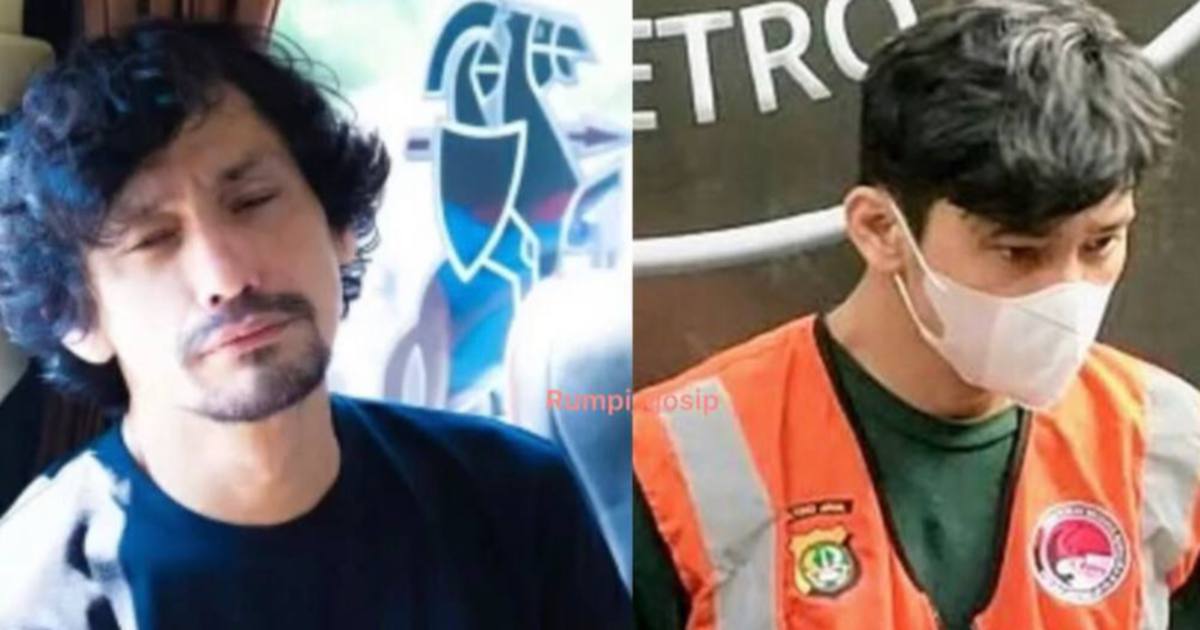
Indonesian actor Revaldo Fifaldi has been taken into police custody once again, marking the latest in what has become a troubling pattern of arrests spanning several years. The detention followed a raid conducted by authorities at a residential apartment in South Jakarta, where police recovered evidence of drug possession and use. The apprehension underscores persistent challenges within Indonesia's entertainment industry regarding substance abuse, even as the nation maintains strict enforcement policies against narcotics.
This fourth arrest represents an escalation of legal troubles that have increasingly dominated Revaldo's public narrative. Rather than the distinguished acting career that once defined him, headlines about drug-related incidents have become his predominant association in media coverage. Each successive arrest appears to reinforce questions about whether rehabilitation efforts have been pursued or whether the actor has remained caught in a destructive cycle that prevention and intervention have failed to interrupt.
The circumstances of each arrest have followed a consistent pattern, suggesting systematic issues rather than isolated incidents. Police operations targeting suspected drug use have repeatedly identified Revaldo among those present, indicating that authorities view him as a persistent concern within their drug enforcement operations across Jakarta. The recurring nature of these incidents raises important questions about the adequacy of judicial and social responses to individuals caught in substance abuse patterns.
Indonesia's approach to drug offences remains notably stringent compared to many neighbouring Southeast Asian jurisdictions. The country categorises narcotics violations with considerable severity, distinguishing between possession, trafficking, and consumption through graduated penalty frameworks. Yet despite this firm legal stance, repeated offenders like Revaldo continue to cycle through the criminal justice system, prompting debate about whether enforcement alone effectively addresses underlying addiction issues.
The entertainment sector in Indonesia has grappled with substance abuse cases involving various prominent figures over recent years. These incidents illuminate a broader phenomenon affecting the industry, where pressures associated with performance demands, irregular employment patterns, and social expectations sometimes contribute to substance dependency. The visibility of Revaldo's repeated arrests has made him perhaps the most publicly documented case of this challenge within Indonesian cinema and television.
Family members and industry associates have occasionally commented on Revaldo's situation with expressions of concern mixed with frustration. These statements suggest that people close to the actor recognise the depth of the problem but feel limited in their capacity to intervene meaningfully. The professional community has largely moved away from associating with him on film and television projects, effectively sidelining his career as his legal troubles have multiplied.
For Malaysian audiences and Southeast Asian observers more broadly, Revaldo's case serves as a cautionary narrative about substance abuse trajectories. The actor's progression from a promising entertainment career to repeated police detention illustrates how addiction can derail professional achievement and personal stability across different cultural and national contexts. The situation resonates particularly in the region, where entertainment industries across Malaysia, Indonesia, Thailand, and the Philippines share similar structural pressures and face comparable substance abuse challenges.
The Indonesian judicial system's response to repeated offenders presents interesting comparative questions for regional observers. While each arrest and subsequent prosecution theoretically reinforces deterrent effects, Revaldo's continued involvement suggests that legal consequences alone have not successfully interrupted his pattern. This raises important policy discussions about whether rehabilitation, mandatory treatment programmes, or alternative justice approaches might prove more effective than repeated cycles of arrest and detention.
Authorities have not publicly elaborated extensively on sentencing recommendations or the specific substances involved in this latest apprehension. Standard Indonesian drug enforcement procedures would typically involve investigation, formal charges, and prosecution through the appropriate courts. The timeline from arrest to adjudication often extends across several months, during which Revaldo would remain in custody pending judicial proceedings.
The broader implications of Revaldo's situation extend beyond his individual circumstances. His case highlights systemic gaps in how entertainment industries support vulnerable professionals and how societies address substance abuse among public figures. Unlike some international jurisdictions where celebrity status sometimes enables access to privileged rehabilitation facilities and therapeutic resources, Indonesia's uniform approach treats cases more consistently regardless of social standing, though the practical outcomes remain inadequate.
Industry insiders have sometimes expressed that Revaldo's trajectory represents a cautionary tale transmitted implicitly throughout the entertainment community. Young performers witness the professional and personal devastation that untreated substance dependency produces, theoretically creating deterrent awareness. However, the persistence of similar cases involving other personalities suggests that awareness alone does not necessarily prevent involvement with narcotics.
Moving forward, questions persist about whether this arrest might catalyse meaningful intervention or whether it represents simply another procedural iteration in an ongoing pattern. Rehabilitation success in cases of chronic substance abuse requires sustained commitment from multiple directions simultaneously: personal motivation, professional support systems, family engagement, and access to qualified therapeutic resources. Revaldo's history suggests that at least one of these essential elements has remained missing or insufficient.

