Indonesia's Soekarno-Hatta International Airport, the country's primary international gateway, is confronting a surging drug-trafficking crisis that underscores the vulnerability of major Asian aviation hubs to organised narcotics smuggling. The airport has recorded more than 300 drug-related cases in the first seven months of this year alone, a rate that translates to an average of at least two arrests daily. The sheer volume of cases, involving suspects from diverse nationalities attempting to move contraband through one of Southeast Asia's busiest travel corridors, reveals the sophisticated mechanisms through which transnational smuggling networks operate across the region.
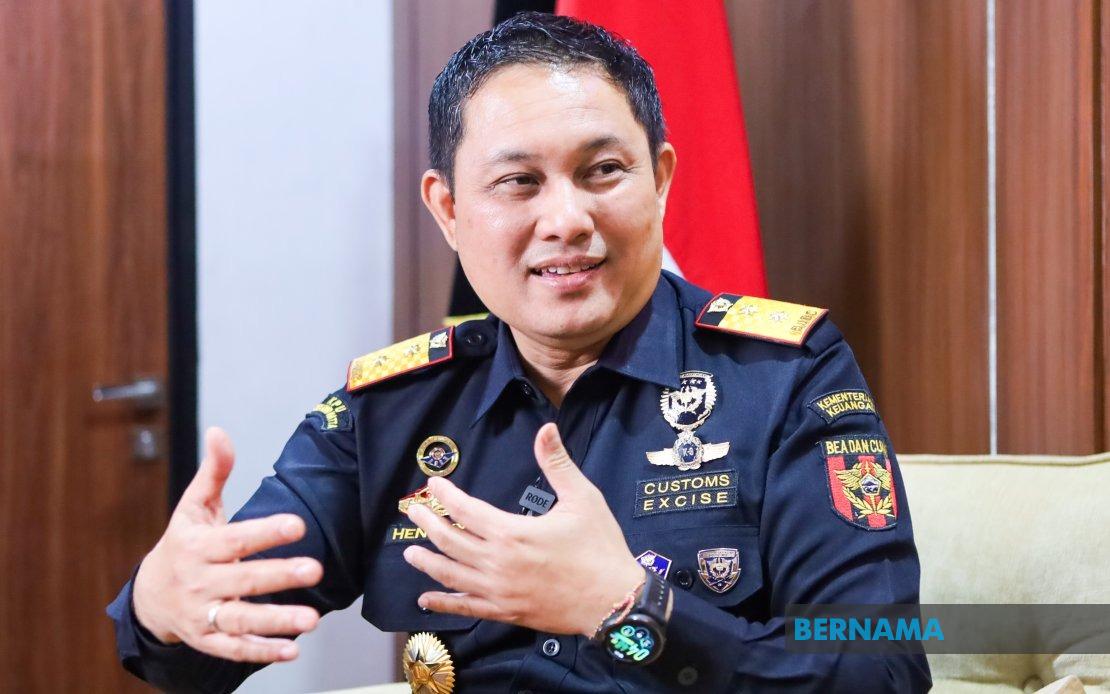
Hengky Tomuan Parlindungan Aritonang, Head of Soekarno-Hatta Main Customs and Excise Office, contextualised the figures by noting that the airport processes between 25,000 and 30,000 international passengers each day. Rather than suggesting an enforcement failure, he framed the cases as evidence of rigorous screening procedures in place at an institution managing extraordinary passenger volumes. The scale of activity at Soekarno-Hatta provides traffickers with substantial opportunity to attempt moving illicit substances, yet the consistent interception rate indicates that Indonesian authorities maintain effective detection systems despite the operational demands of managing such high passenger throughput.
A critical insight from customs enforcement patterns concerns how trafficking networks recruit couriers without regard for nationality or point of origin. Aritonang explained that the arrival nation of a particular flight cannot be reliably correlated with either the smuggler's citizenship or the drugs' source country. Syndicates deliberately exploit this ambiguity, recruiting couriers opportunistically based on operational utility rather than passport details. This strategy reflects the sophisticated understanding these networks possess about how law enforcement tends to profile risk, and their deliberate efforts to circumvent such conventional screening assumptions.
The geographic landscape of drug trafficking moving through Soekarno-Hatta reveals multiple source countries and transit points. Thailand, Spain, Malaysia and Singapore emerged as primary origins of drugs detected in recent smuggling attempts, while suspects intercepted came from nations as geographically dispersed as France, China, Malaysia and Spain. This international composition underscores that Soekarno-Hatta functions as a convergence point within a broader transnational trafficking ecosystem. Major aviation hubs in Malaysia, Thailand and Hong Kong similarly serve as transit nodes, meaning that any single airport cannot be treated in isolation from the regional network of which it forms a crucial part.
The substances seized reveal preferences within the Indonesian and regional markets. Psychotropic compounds, etomidate and methamphetamine consistently appear in interdiction operations. However, methamphetamine and MDMA represent the largest seizures by weight, suggesting that these synthetic drugs command substantial demand within Indonesia and beyond. The prominence of such substances reflects patterns across Southeast Asia, where methamphetamine production facilities in the Golden Triangle continue supplying regional markets despite periodic enforcement campaigns.
Beyond passenger screening, authorities have identified that narcotics also transit through air cargo systems. Customs investigators employ intelligence-led approaches to identify intended recipients before working backwards to locate senders, a methodology that has yielded successful prosecutions and seizures. This approach demonstrates that trafficking interdiction at Soekarno-Hatta extends beyond the terminal environment to encompass the entire supply chain moving through the airport's infrastructure.
Recent high-profile cases involving Malaysian nationals have drawn public attention and raised questions about patterns in trafficking networks. A Malaysian pilot was apprehended following the seizure of approximately 25 kilogrammes of MDMA at Soekarno-Hatta, an arrest that shocked both aviation sectors in Indonesia and Malaysia. Separately, another Malaysian was detained at Juanda International Airport near Surabaya carrying 990 grammes of methamphetamine and 1,089 ecstasy pills allegedly concealed on his body. Additionally, three Malaysian women were held at Soekarno-Hatta after customs officials discovered suspected MDMA, cocaine and ketamine in their possession. These cases, whilst notable for their profile, represent merely a fraction of the 300 incidents recorded this year.
The prominence of Malaysian suspects in recent media coverage prompted Aritonang to clarify that Malaysian travellers are not subject to heightened or discriminatory screening procedures. Customs personnel apply detection methodologies uniformly across all passengers regardless of nationality, ethnicity or appearance. Screening decisions derive from data analysis, intelligence assessments and X-ray imaging rather than demographic profiling. This commitment to professional, impartial procedures reflects evolving international standards within customs enforcement and respects the principle that security screening should depend on behavioural or technical indicators rather than national origin.
The pilot case merits particular examination because it violated fundamental assumptions within aviation security paradigms. Pilots undergo extensive licensing requirements, demanding medical examinations and rigorous recruitment vetting that ostensibly screen for reliability and integrity. The willingness of trafficking syndicates to target such individuals suggests a deliberate strategy of exploiting the very assumptions that make certain categories of people appear inherently trustworthy. Aritonang observed that only one comparable case—involving an Indonesian pilot roughly two decades earlier—had previously surfaced in Indonesia, indicating that whilst exceptional, such recruitment attempts represent a calculated risk that syndicates are willing to undertake.
The broader trafficking landscape that Soekarno-Hatta's enforcement data illuminates has direct relevance for Malaysian policymakers and citizens. As a source country for some suspects and a significant transit node itself, Malaysia occupies a complicated position within Southeast Asian drug networks. The cases involving Malaysian nationals underscore that traffickers actively recruit individuals from across the region, and that enhanced border security at Malaysian airports should be complemented by public awareness campaigns and intelligence-sharing mechanisms with neighbours like Indonesia. The 300 cases at Soekarno-Hatta represent interceptions, indicating that enforcement infrastructure is functioning, yet the raw numbers also suggest that trafficking volumes remain substantial enough to sustain operations despite significant enforcement pressure.
From a regional security perspective, the Soekarno-Hatta data demonstrates that unilateral enforcement approaches prove insufficient to address transnational trafficking networks. Effective interdiction requires coordinated intelligence-sharing, harmonised screening procedures and mutual legal assistance frameworks across ASEAN nations. Malaysia, Indonesia, Thailand and Singapore must enhance information-sharing about suspected traffickers, trafficking routes and synicate structures. The fact that multiple source countries feed contraband into the region's aviation network suggests that addressing supply requires engagement with production facilities and precursor chemical sources throughout and beyond Southeast Asia, requiring cooperation with international counternarcotics bodies and countries further afield.
The human dimension underlying these statistics also warrants consideration. Many individuals apprehended at Soekarno-Hatta represent vulnerable populations recruited by syndicates through coercion, financial desperation or false pretences. Whilst enforcement remains necessary, rehabilitation and reintegration programmes for courier-level offenders could reduce recidivism and disrupt networks' ability to sustain courier recruitment pipelines. Understanding the social vulnerabilities that make individuals susceptible to trafficking recruitment represents an essential complement to border security measures and remains an underdeveloped aspect of regional drug policy across ASEAN.

