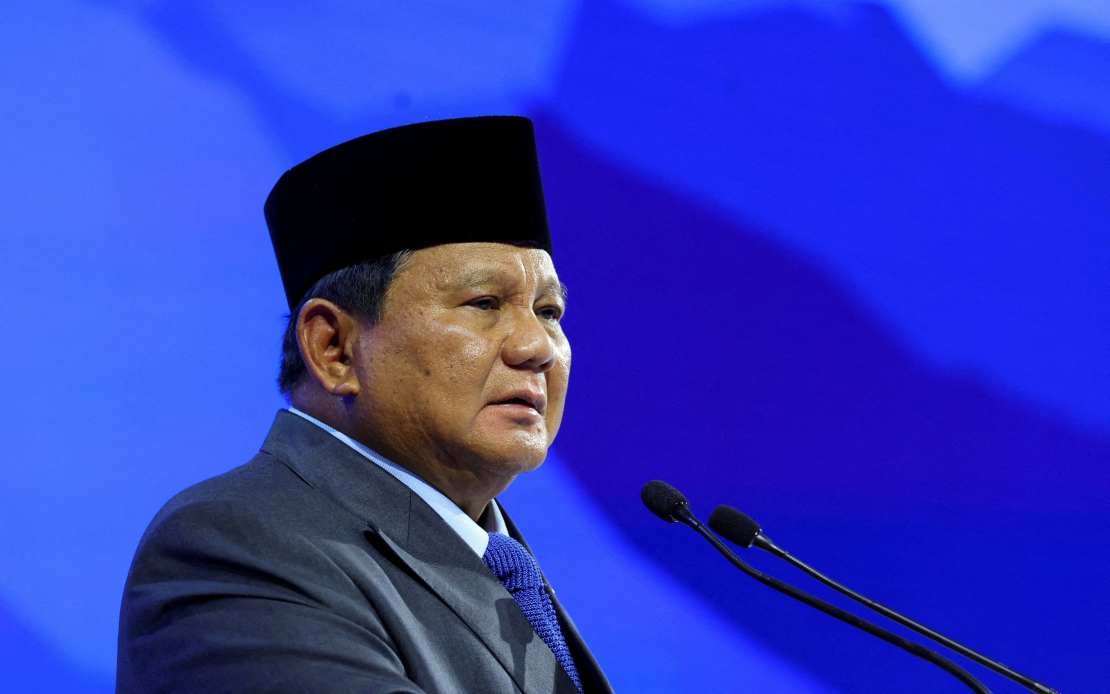
President Prabowo Subianto has signalled a turning point in Indonesia's battle against widespread forest and land fires, declaring that the situation is progressively coming under control across multiple regions and could potentially be resolved entirely within the next fortnight. Speaking during the launch of Indonesia's ambitious 100-gigawatt solar power programme in Jembrana, Bali on Tuesday, the president outlined an optimistic trajectory for the ongoing crisis, though cautioned that vigilance remains essential as the country grapples with one of the strongest El Niño episodes on record.
The Indonesian government has committed considerable resources to contain the fires, mobilising an extensive firefighting apparatus that includes dozens of helicopters and more than a dozen aircraft for aerial operations. Ground-based efforts are supported by hundreds of water wells and pumping systems strategically positioned across affected areas, supplemented by thousands of personnel working in coordinated response teams. This multi-layered approach reflects the scale of the challenge facing the nation and the determination of the central government to prevent a repeat of the catastrophic fire seasons that have devastated regional economies and public health in previous years.
Prabowo has personally invested significant effort in overseeing the response, undertaking direct inspections across the most affected regions. Over the weekend preceding his Bali announcement, he travelled to West and Central Kalimantan to assess firefighting operations and coordinate response efforts at the provincial level. His inspection tour extended to Sumatra on Monday, demonstrating the president's hands-on engagement with the crisis management process. These field visits suggest the government views the fire situation as a priority requiring executive-level attention and direct presidential supervision.
The president's assessment reflects broader structural improvements in interagency coordination and response mechanisms. Regional governments, various ministries and agencies, military and police forces, and dedicated disaster management authorities are reported to be working in concert, suggesting that institutional frameworks for crisis response have been strengthened since previous fire seasons. This integration of civilian and military resources represents a significant operational shift in how Indonesia addresses large-scale environmental emergencies.
The El Niño phenomenon constitutes a critical contextual factor shaping Indonesia's vulnerability to forest fires during this period. The current El Niño episode is forecast to rank among the strongest on historical record, creating exceptionally dry conditions that dramatically increase fire risk and fire intensity across forested regions. This climatic backdrop underscores why even marginal improvements in fire control represent meaningful progress, and why the president has framed sustained vigilance as an essential component of the government's approach.
The fire crisis arrives alongside other significant disaster management challenges confronting the Prabowo administration. A magnitude 7.7 earthquake struck the Flores region in East Nusa Tenggara on August 15, claiming 103 lives and leaving 1,666 people injured. As of Tuesday afternoon, the National Disaster Management Agency reported that 185,131 people remained displaced from their homes, with 7,029 aftershocks recorded since the main tremor, including 141 tremors felt by residents. The simultaneous occurrence of fire and earthquake emergencies has placed substantial strain on the nation's disaster response infrastructure.
Prabowo has used the dual crises to underscore his government's commitment to rapid and comprehensive disaster response. He drew explicit parallels between the government's handling of recent calamities in Aceh and the swift mobilisation of resources following the NTT earthquake, characterising the response as "very fast, very massive." This rhetorical positioning reflects an effort to build public confidence in the administration's crisis management competence during a period of heightened national vulnerability. The president's assertion that "the government is present wherever it is needed" suggests an attempt to establish a governance narrative centred on responsive state capacity.
For Malaysian observers and policymakers, the Indonesian fire situation carries significant transnational implications. Cross-border air pollution resulting from Indonesian forest fires has historically affected air quality across Malaysia and Singapore, disrupting commerce and creating public health concerns. The success or failure of Indonesia's containment efforts therefore carries direct consequences for the broader Southeast Asian region. Malaysia's experience with transboundary haze during previous Indonesian fire seasons underscores why the region has a vested interest in the effectiveness of Jakarta's firefighting operations.
The two-week timeframe cited by Prabowo should be interpreted with appropriate caution, given the inherent unpredictability of weather patterns and fire dynamics. Environmental factors including rainfall patterns, wind direction, and localised weather conditions will ultimately determine whether fires can be conclusively extinguished within the stated period. Historical precedent suggests that fire seasons can extend beyond initial projections, particularly when El Niño conditions persist. Nevertheless, the president's explicit commitment to a specific resolution timeline suggests confidence within the administration regarding current operational trajectory.
The Indonesian government's deployment of such extensive firefighting resources reflects a strategic shift in how the nation approaches forest fire management compared to previous administrations. The scale of personnel mobilisation and equipment deployment indicates recognition that inadequate response capabilities in past seasons contributed to environmental and economic damage that could have been mitigated through earlier and more intensive intervention. This represents a potentially significant evolution in Indonesia's institutional capacity to manage environmental crises of this magnitude.
Looking forward, the effectiveness of current firefighting efforts will provide crucial data regarding whether Indonesia can successfully manage forest fire seasons in the context of intensifying climate variability. The El Niño phenomenon is expected to influence weather patterns throughout the remainder of 2024, meaning that even if fires are contained in the near term, fire risk may resurface if dry conditions persist. The government's ability to transition from reactive crisis management to more sustained preventive strategies will likely determine long-term success in reducing fire-related disasters.

