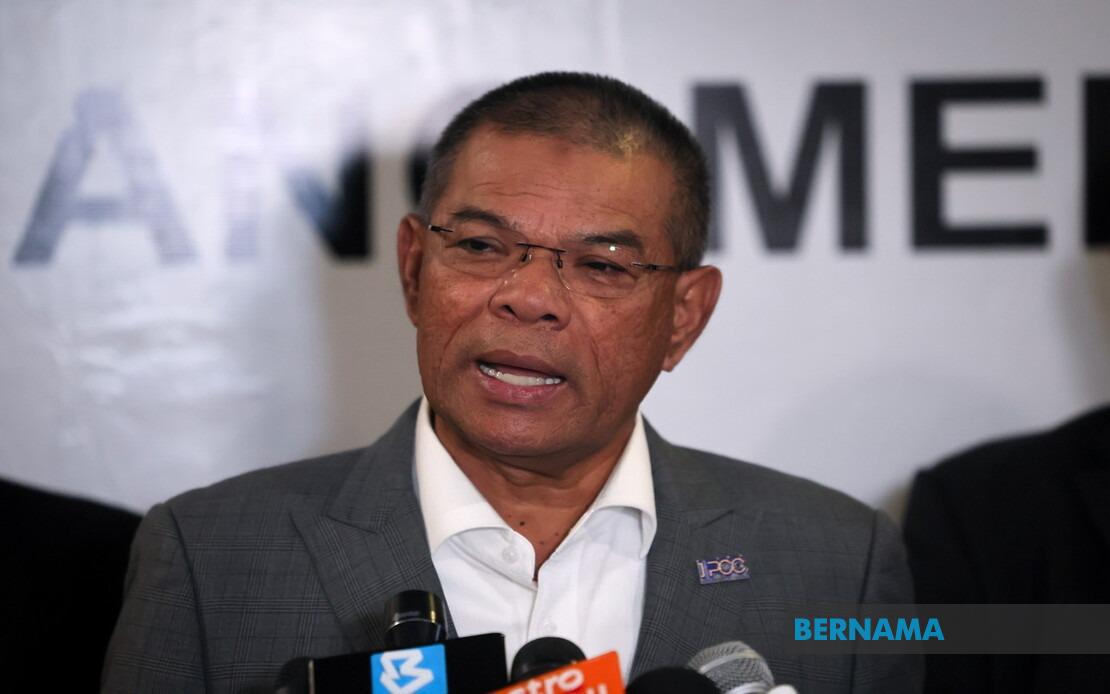
Since its establishment in 2023, the Independent Police Conduct Commission has emerged as a functional complaints mechanism for Malaysian citizens seeking redress against police misconduct, having processed over 1,600 grievances across three years. Home Minister Datuk Seri Saifuddin Nasution Ismail disclosed that the IPCC received 1,635 complaints through July 24, 2026, with approximately three-quarters successfully concluded, suggesting the institution is gaining traction as a legitimate channel for public accountability.
The resolution rate of 844 complaints—representing 76 per cent of the total caseload—indicates the IPCC is managing its investigative workload effectively, though the volume of unresolved cases remains substantive. This year alone, 372 fresh complaints arrived as of mid-July, demonstrating sustained public engagement with the complaints process and suggesting citizens increasingly view the IPCC as an avenue worth pursuing rather than accepting police misconduct passively.
Among the most prevalent grievances, citizens complain of receiving no feedback after submitting reports to police authorities, a systemic issue reflecting broader communication gaps between enforcement agencies and the public. This category of complaint highlights a fundamental frustration—that the complaint mechanism itself often becomes silent and unresponsive, leaving complainants without clarity on investigation progress or outcomes. Such opacity can itself undermine public confidence in institutions, even when investigation processes proceed properly.
The IPCC operates within a structured institutional framework where complaints receive categorisation according to their nature and severity. Where allegations contain corruption elements, the commission redirects cases to the Malaysian Anti-Corruption Commission, ensuring specialised handling by appropriate authorities. This collaborative approach prevents duplication and ensures each complaint reaches the investigative body best positioned to pursue it, though the mechanism also means citizens may not receive direct updates from the IPCC if their case has been transferred.
Remaining unresolved complaints frequently involve complainants expressing dissatisfaction with police investigation conclusions or having received no communication from officers following initial complaint submission. These stalled cases present a particular challenge—some reflect investigative complexity requiring extended timelines, while others suggest procedural delays or administrative gaps within the police complaints system itself. Without transparency about timelines and investigation status, complainants can easily interpret silence as dismissal.
The IPCC has initiated 22 formal investigation papers to date, including five commencing this year, with eleven cases reaching completion and an equal number still progressing through investigative stages. This output reflects the commission's selective focus on complaints warranting formal probe rather than administrative resolution, ensuring resources concentrate on allegations with sufficient evidence or systemic significance. The relatively modest number also suggests many complaints receive resolution through other processes—referral to MACC, categorisation as non-substantive, or administrative closure.
Despite characterising the complaint volume as relatively modest, the Home Minister framed the numbers as validation of public confidence in the IPCC mechanism. This interpretation carries significance for Malaysia's governance landscape—the existence of functioning independent oversight bodies can gradually shift public behaviour, encouraging citizens to seek accountability through formal channels rather than accepting misconduct or pursuing alternative remedies. The three-year trajectory demonstrates an institution maturing toward operational credibility.
The government has undertaken outreach initiatives to raise awareness of IPCC processes and complaint procedures, including displaying educational posters at Royal Malaysia Police information counters nationwide. Such visibility campaigns acknowledge that many citizens remain unaware the commission exists or how to lodge formal complaints, representing an ongoing challenge in embedding new accountability institutions into public consciousness. Without widespread awareness, even effectively functioning oversight bodies cannot serve their intended role.
Parallel to the IPCC's operational progress, authorities arrested twelve police personnel suspected of extorting RM2 million from a Vanuatu national, a development the Home Minister cited as evidence of police institutional willingness to investigate and prosecute misconduct within its ranks. This case demonstrates that serious criminal conduct by officers does occasionally face consequences, though the extraordinary circumstances—foreign victim, substantial sum, multiple perpetrators—may not reflect typical investigation patterns for complaints processed through normal channels.
The correlation between IPCC operations and enhanced police accountability remains difficult to establish definitively from available data. Approximately one-quarter of complaints remain unresolved, suggesting either extended investigative timelines, administrative backlogs, or cases where no further action proved warranted. For a developing accountability institution, this ratio may represent reasonable progress, though from complainants' perspectives, unresolved status offers no closure.
For Malaysian society, the IPCC represents an institutional response to longstanding concerns about police conduct oversight. However, the commission's effectiveness ultimately depends on public awareness of its existence, perception of fairness in its processes, and tangible consequences for substantiated misconduct. The rising complaint volume could reflect genuine institutional trust-building or simply increased visibility among educated urban populations aware of such mechanisms. Sustained transparency about investigation outcomes and timelines will prove essential for maintaining and deepening public confidence.
The long-term impact of the IPCC will emerge through consistent application of oversight over many years, observable consequences for officer misconduct, and gradual cultural shifts within policing institutions toward greater accountability. Current metrics provide baseline measurements but offer limited predictive power regarding whether independent police commission structures can fundamentally alter conduct dynamics within large enforcement organisations. Regional observers will monitor Malaysia's experience as other Southeast Asian nations consider similar institutional innovations for police governance.

