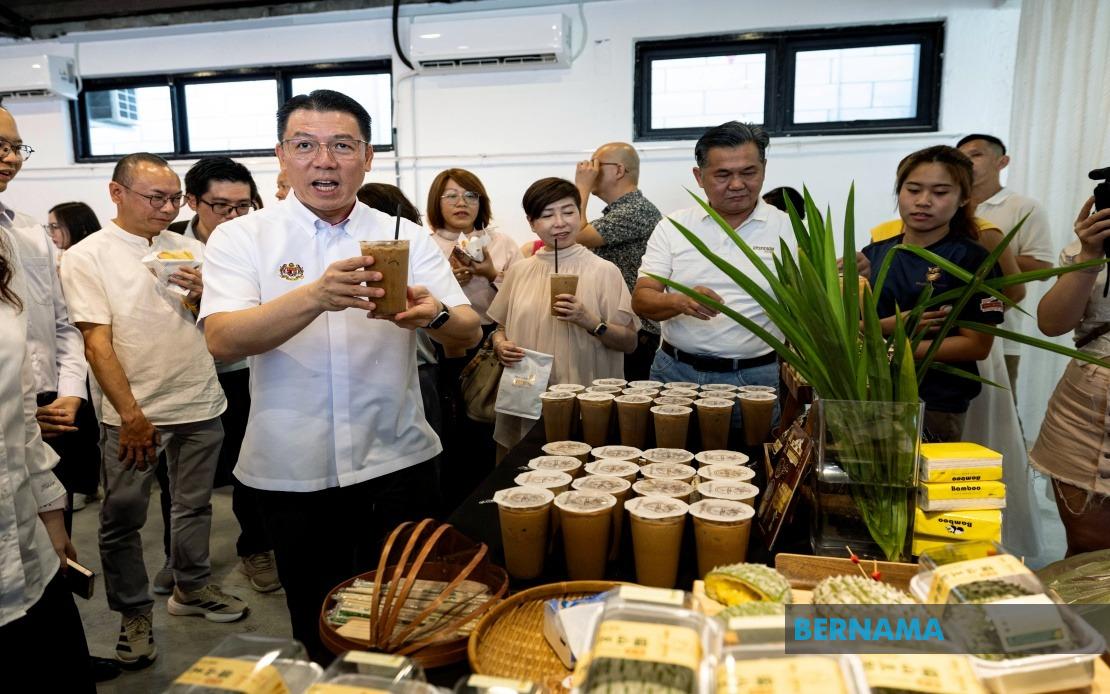
The Jom Makan Ipoh 2026 Expo represents an ambitious effort to harness food culture as a unifying force within Malaysia's multicultural society. At the pre-launch event in Ipoh, Minister of Housing and Local Government Nga Kor Ming articulated a vision of the expo as more than just a gastronomic showcase—positioning it as a deliberate platform for celebrating the country's ethnic and culinary diversity during the patriotic Merdeka Month period.
Nga's framing of food as a national instrument for cohesion resonates with Malaysia's longstanding emphasis on shared cultural experiences as foundations for social harmony. The three-day event, scheduled for August 28 to 30, will operate from 5 pm to 11 pm at Palo 101, transforming a commercial venue into what organizers envision as a cultural and commercial nexus. This timing during Merdeka Month is intentional, aligning the celebration of Ipoh's gastronomic identity with broader national commemorations of independence and multiracial partnership.
The expo's organisational architecture reflects a strategic approach to regional branding. Coordinated through the Kepayang constituency service centre in collaboration with several strategic partners, the event integrates multiple dimensions beyond mere food consumption. Culinary heritage preservation, food culture education, city marketing, and tourism development converge within a single framework, suggesting an understanding that food festivals can simultaneously serve cultural, economic, and diplomatic objectives in contemporary Southeast Asia.
Ipoh's 12 signature specialities form the gastronomic backbone of the festival. These include Laksa Buyong, the iconic Ipoh White Coffee, nasi ayam taugeh, and puding taufu—dishes that carry historical significance and regional recognition. Each represents not merely a recipe but a narrative thread connecting Ipoh's diverse communities to shared culinary practices. The decision to feature over 50 food and agricultural product stalls demonstrates ambition to showcase both established heritage dishes and contemporary culinary innovation, appealing to both traditionalists and younger consumers seeking modern interpretations of classic flavours.
The incorporation of six Ipoh Food Culture Galleries adds an interpretive dimension to the expo. Rather than presenting dishes in isolation, these galleries contextualise food within Ipoh's historical evolution. The inclusion of galleries dedicated to tin mining era food culture, kacang putih traditions, and sambal and ulam practices situates contemporary culinary appreciation within socioeconomic and historical frameworks. This pedagogical approach elevates the event beyond entertainment, positioning it as an educational initiative that can deepen visitor understanding of how Ipoh's multicultural communities have developed interconnected food traditions shaped by shared geography and economic history.
Cultural programming parallels the food offerings, with stage performances representing various racial communities scheduled throughout the three-day period. Concurrently, Food Talks Ipoh sessions promise discourse on culinary history and contemporary food practices. The launch of the Ipoh QR Digital Food Map introduces technological infrastructure that extends the expo's reach beyond physical attendance, enabling digital exploration of local food heritage through smartphone access. This digital dimension acknowledges the role of technology in cultural dissemination, particularly relevant for younger demographics and international visitors planning future culinary tourism.
The projected attendance of more than 20,000 visitors reflects confidence in public appetite for food-centric cultural events. For Ipoh, this represents significant economic activity spanning three evenings, with potential spin-off benefits for hospitality, transportation, and retail sectors. However, the figure also suggests expectations for participation from beyond the immediate Kepayang constituency, indicating that organisers anticipate regional and possibly national audience draw. This scaling up transforms a local initiative into a potential model for cultural tourism development in other Malaysian cities.
From a Southeast Asian perspective, Ipoh's approach aligns with broader regional trends positioning food as diplomatic and economic soft power. Countries and cities throughout Southeast Asia have increasingly leveraged culinary heritage for tourism development and cultural diplomacy. Thailand's street food culture, Vietnam's pho heritage, and Singapore's multicultural hawker traditions demonstrate how food narratives can enhance international positioning and generate substantial economic returns. Ipoh's foray into structured food festival programming places the Perak city within this regional conversation.
The emphasis on food as a unifying force carries particular resonance in Malaysia's contemporary political context. As the nation navigates complex questions of national identity, cultural recognition, and interethnic relations, platforms celebrating shared gastronomic practices offer concrete, accessible demonstrations of integration and mutual appreciation. Food consumption transcends abstract discussion; it involves sensory engagement, shared meals, and immediate human connection. By organising this festival during Merdeka Month, the government signals that national unity narratives are strengthened through practical celebration of cultural mixing rather than rhetorical assertion alone.
The expo's multi-stakeholder structure involving the constituency service centre, strategic partners, and presumably local traders and cultural organisations suggests an attempt to distribute both organisational responsibility and economic benefits. Such collaborative approaches can build stronger community investment in cultural programming outcomes. For participants and vendors, the platform offers visibility and market access; for attendees, it delivers curated access to culinary diversity; for the city, it generates media attention and positioning as a cultural destination.
Looking forward, the success metrics for Jom Makan Ipoh 2026 will likely extend beyond visitor numbers. Organisers will likely assess economic impact on participating food vendors, media coverage reach, and whether the digital food map generates sustained interest in Ipoh culinary tourism. The three-day format and evening scheduling suggest targeting both local residents seeking weekend entertainment and tourists seeking evening cultural activities—a dual-market approach increasingly common in Malaysian urban festivals.
The closing ceremony's fireworks display, while perhaps ceremonial, underscores that food festivals can serve entertainment purposes alongside their cultural and educational dimensions. This entertainment value ensures broad demographic appeal, essential for achieving the 20,000-visitor target and establishing the event as an annual calendar fixture. Should the inaugural expo achieve its objectives, Ipoh may position itself within an emerging category of Malaysian cities leveraging culinary heritage as primary cultural tourism assets, comparable to how other regions have built global recognition through food-centric initiatives.

