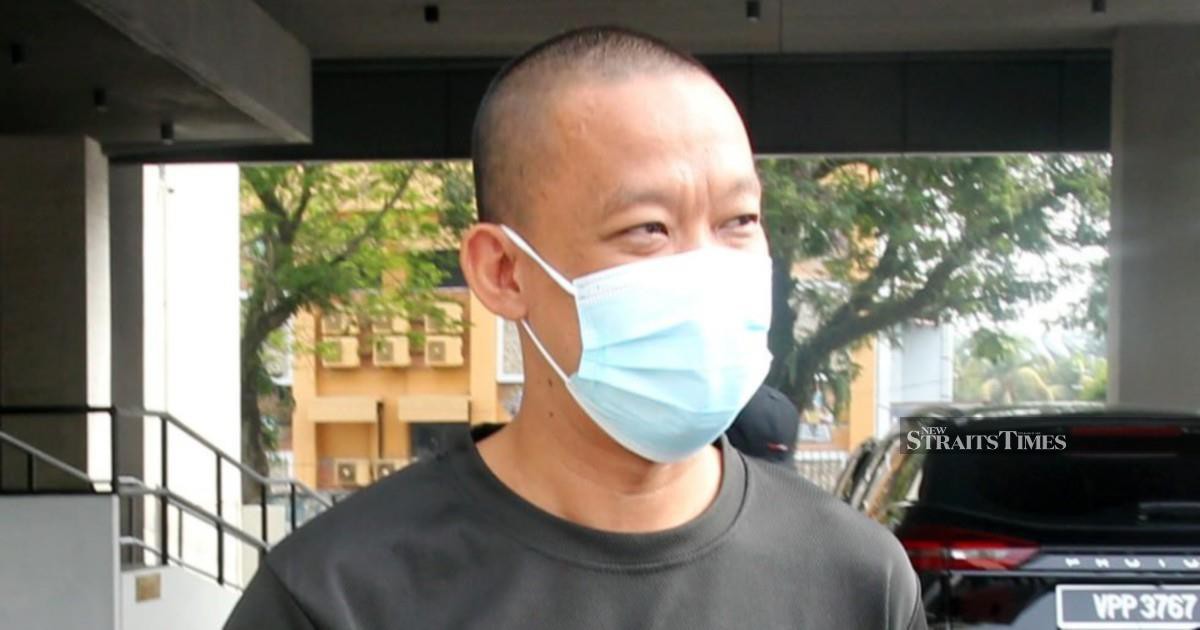
A wireman in Ipoh has walked free from the Sessions Court after being acquitted and discharged of charges stemming from an incident three years prior that alleged he permitted cannabis plants to be grown within his residential property. The court's decision centred on the prosecution's inability to present a convincing case meeting the required legal standard of proof.
The acquittal underscores the critical importance of substantive evidence in drug-related prosecutions under Malaysian law. Sessions Courts, which handle serious criminal cases, demand a rigorous assessment of the prosecution's case before conviction. In this instance, the judicial officer evidently concluded that the evidence presented fell short of establishing guilt beyond reasonable doubt—the cornerstone of criminal procedure in Malaysia's legal system.
Drug cultivation cases typically involve complex forensic work, witness testimony, and documentation chains. The prosecution must demonstrate not only that cannabis plants existed on the premises but also that the accused knowingly permitted their cultivation. This distinction between passive presence and active participation carries significant legal weight. The failure to prove the latter element likely contributed to the court's decision to discharge the defendant.
The timing of this case—involving an allegation from three years ago—raises questions about investigative delays and case management within the criminal justice system. Lengthy intervals between alleged offence and prosecution can complicate matters, particularly when evidence preservation, witness reliability, and memory deterioration become factors. Malaysian courts have become increasingly conscious of such delays and their impact on the fairness of proceedings.
Ipoh, the state capital of Perak, has witnessed considerable attention to narcotics enforcement in recent years. Drug-related offences remain a priority for law enforcement authorities across Malaysia, given the nation's position along trafficking routes and its declared zero-tolerance stance on narcotics. However, this case serves as a reminder that aggressive enforcement must still comply with constitutional protections and evidential requirements.
The acquittal also reflects broader jurisprudence around circumstantial evidence and the sufficiency of proof in drug cases. Malaysian courts have consistently held that mere possession or presence at a location where drugs are found does not automatically establish guilt in cultivation cases. The prosecution bears the obligation to establish the nexus between the accused's actions and the alleged offence through credible evidence.
For wiremen and other tradespeople in Malaysia, such cases carry practical implications regarding liability for activities occurring within properties where they may work or reside. The ruling affirms that employment or residential status alone does not render an individual responsible for illicit activities on premises, provided they did not knowingly facilitate or permit such conduct.
The decision also touches upon the evolving discourse around cannabis in Malaysia. While the nation maintains strict prohibition under the Dangerous Drugs Act 1952, there is growing international dialogue regarding medical cannabis and decriminalisation. This case, occurring within that broader context, demonstrates that Malaysian courts continue to apply rigorous evidentiary standards regardless of public sentiment regarding particular substances.
Legal practitioners highlight that acquittals in drug cases, though less publicised than convictions, represent crucial checkpoints in the criminal justice system. They ensure that enforcement agencies remain accountable and that investigation standards are maintained at levels consistent with rule of law principles. This particular discharge in Ipoh sends a signal that Sessions Courts will not permit prosecutorial shortcuts in serious criminal matters.
The case also underscores the resource-intensive nature of drug prosecutions. Successfully prosecuting cultivation cases requires substantial investigative effort, expert testimony, and preparation. When such cases collapse, they represent not only judicial time invested but also resources that might have been directed elsewhere within the constrained criminal justice apparatus.
For the accused wireman, the acquittal represents vindication after years of legal uncertainty. Beyond personal relief, his discharge demonstrates the system's capacity to recognise insufficient evidence and reject cases that do not meet required standards. This outcome, while perhaps less dramatic than convictions, remains essential to maintaining public confidence in judicial impartiality.
The Ipoh Sessions Court's ruling serves as a calibration point for law enforcement and prosecutorial agencies within Perak and nationally. It reinforces that cannabis cultivation charges, regardless of their seriousness, must be pursued with scrupulous attention to evidence gathering and legal procedure. As Malaysia continues balancing aggressive drug enforcement with constitutional protections, such decisions help define the contours of acceptable prosecution standards.

