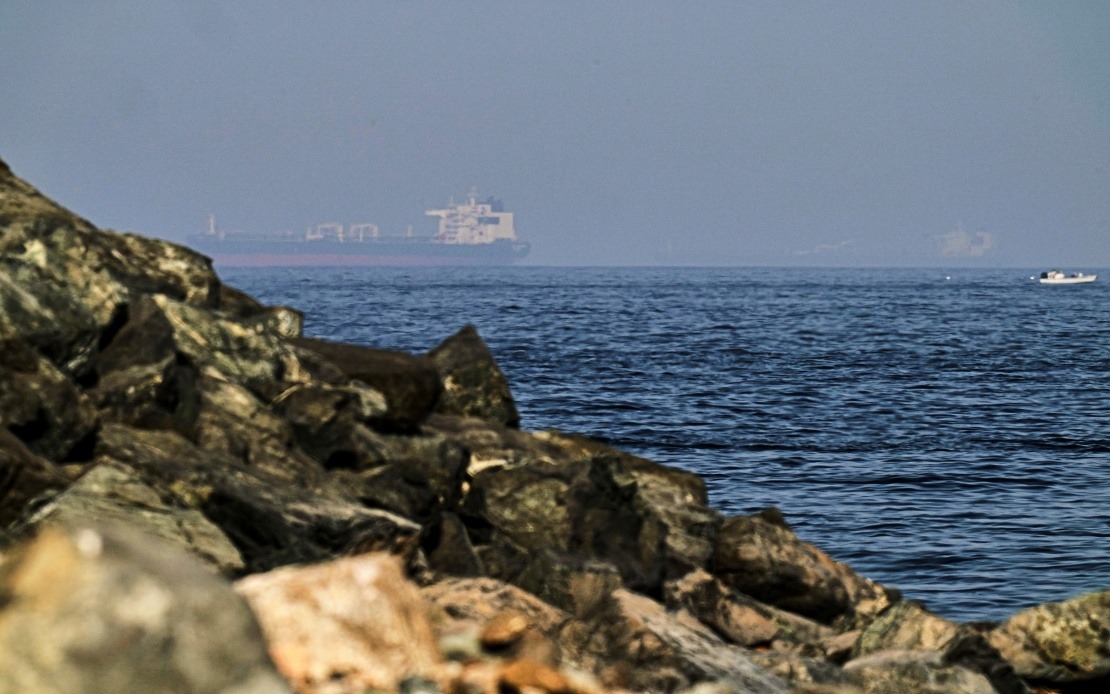
Iran and Oman have agreed to establish a temporary shipping corridor through the Strait of Hormuz, according to Major General Mohsen Rezaei, Secretary of Iran's Supreme National Security Council. Speaking in an exclusive interview with Al-Manar TV, Rezaei outlined the arrangement as part of broader negotiations over maritime passage through one of the world's most strategically vital waterways, a development that carries significant implications for regional stability and global energy markets.
The corridor operates along a demarcation line between Iranian and Omani territorial waters, with both nations jointly overseeing vessel passage through the central channel of the strait. Rezaei indicated that the location has been precisely mapped and formally determined, establishing clear protocols for maritime traffic. This arrangement represents a pragmatic approach to maintaining shipping operations while the two countries navigate deeper geopolitical tensions affecting the region's security environment.
Crucially, Rezaei conditioned any permanent reopening of the strait to Washington's compliance with a comprehensive set of Iranian demands. Chief among these conditions are the cessation of ongoing conflicts throughout West Asia, with particular emphasis on ending military operations in Lebanon and Gaza, securing Israeli withdrawal from Lebanese territories, halting attacks on Syria, and establishing genuine commitments to regional de-escalation. The Iranian official framed these preconditions as non-negotiable prerequisites for rebuilding trust and normalising maritime commerce through the strategic waterway.
Rezaei emphasised that Iran views the Strait of Hormuz dispute as inseparable from the broader constellation of regional conflicts currently destabilising West Asia. He stressed that the United States must first demonstrate its seriousness through concrete actions honouring its commitments before any durable understanding could be established, citing a "deep chasm of mistrust" between Washington and Tehran. This linkage suggests that technical maritime agreements alone cannot resolve the underlying security architecture governing the region's future.
The Iranian security chief discussed his nation's deliberate, incremental approach to military responses in previous confrontations. He explained that Iran initially refrained from targeting US military installations in Persian Gulf states before subsequently expanding the scope of its operations to encompass American facilities across broader geographic areas. This measured escalation strategy, according to Rezaei, reflected considerations of civilian safety, the cultivation of regional and international support for Iranian actions, and the legitimacy of Iranian responses to perceived threats.
Rezaei warned that any escalation of American economic pressure would trigger Iranian countermeasures targeting US economic interests throughout the region. His comments suggest that Tehran views economic containment as an alternative tool to military coercion, and is prepared to match such tactics with reciprocal measures. This reciprocal logic indicates potential vulnerabilities in global supply chains and investment portfolios connected to American interests in the Middle East and beyond.
Regarding relations with Turkey, Rezaei rejected suggestions that Ankara would impose economic sanctions on Tehran. He highlighted the depth of bilateral trade ties and recalled Turkey's historical role as a critical economic corridor during the Iran-Iraq War of the 1980s, suggesting that this precedent remains relevant to current Turkish calculations. The emphasis on Turkish economic cooperation underscores Iran's efforts to maintain alternative trading partnerships insulated from Western sanctions regimes.
The Iranian official characterised the region as an interconnected geopolitical system in which security deterioration in any single nation cascades across borders, raising investment costs and undermining development prospects throughout the wider area. This systemic analysis reflects the interconnected nature of Lebanon's stability with Syria's security, the Palestinian question, and broader confrontations involving regional powers. Such interdependency means that isolated military victories cannot translate into durable political outcomes without corresponding regional settlements.
Rezaei emphasised Iran's historic and deeply rooted relationship with Lebanon, citing centuries-old scholarly connections between Jabal Amel and Iranian centres of learning. He pledged continued Iranian support to Lebanon "with all capabilities at our disposal," signalling sustained commitment regardless of external pressure. This rhetorical commitment carries practical implications for the supply of weapons, financial assistance, and military training to allied Lebanese organisations.
On the military dimensions, Rezaei asserted that Israeli forces had lost the capability to advance toward Beirut or the southern suburbs in recent months, citing casualties inflicted by Hezbollah over the preceding three to four months combined with what he characterised as the full impact of the Iranian military threat. This assessment reflects Tehran's confidence in its allied militia networks and suggests escalating costs for any continued Israeli military operations in Lebanese territory.
The announcement of the temporary corridor represents a tactical compromise accommodating immediate commercial pressures while preserving Iranian leverage over permanent resolution. For Southeast Asian maritime stakeholders, particularly those dependent on Gulf energy supplies and transiting the Strait of Hormuz, the arrangement offers interim assurance of continued shipping operations. However, the linkage of permanent reopening to political outcomes in distant theatres introduces uncertainty that may encourage diversification of energy sourcing and shipping routes among regional economies seeking stable supply chains.

