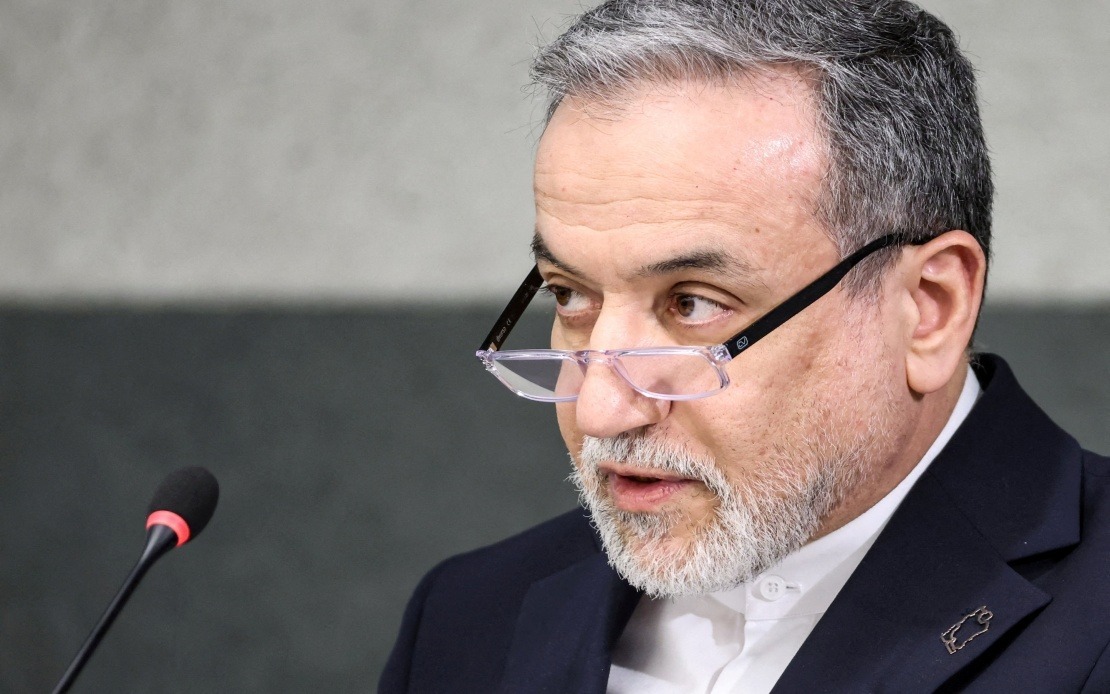
Iran's Foreign Minister Abbas Araghchi has pushed back against US President Donald Trump's proposal to impose fees on vessels transiting the Strait of Hormuz, reaffirming Tehran's authority over one of the world's most strategically vital shipping lanes. Speaking on social media platform X on Monday, Araghchi acknowledged the principle that entities ensuring safe passage deserve compensation, yet rejected the scale of Trump's suggested 20 per cent toll as excessive and unfair.
The exchange highlights the deepening friction between Washington and Tehran over control and access to the Strait of Hormuz, a narrow waterway separating Iran from Oman that handles roughly one-third of all globally traded oil. Trump's announcement early Monday that the United States would blockade Iran and impose the substantial fee represents a sharp escalation in rhetoric, positioning American security guarantees as a paid service rather than a strategic commitment.
Araghchi's response employed measured diplomatic language whilst firmly asserting Iran's foundational claim to the waterway. By characterizing Iran as the permanent "guardian" of the Strait—language he emphasized in capital letters—the Foreign Minister rejected the implicit assumption within Trump's proposal that external powers can unilaterally dictate terms for passage. His acknowledgment that compensation for security services is reasonable demonstrates Iran's willingness to engage with the underlying logic, even as it disputes both the magnitude and legitimacy of American governance claims.
The 20 per cent toll figure represents a significant economic threat to global shipping and energy markets, particularly concerning for Southeast Asian nations heavily dependent on Middle Eastern oil imports. Malaysia, Singapore, and other regional economies would face substantially elevated energy costs should such a fee structure take effect, creating inflationary pressures throughout supply chains. The proposal effectively weaponizes maritime commerce, converting a traditionally neutral passage into a contested geopolitical tool.
Iranian leadership has consistently maintained that securing the Strait of Hormuz falls within its sovereign purview and regional responsibility. This position rests on geographic reality—Iran controls the northern shore and possesses significant naval capabilities in the region—as well as decades of military operations and coast guard activities that predate American security guarantees. Tehran's argument suggests that if anyone has earned the right to collect fees or guarantee passage, it is Iran through its persistent presence and investment in maritime security infrastructure.
The escalating tensions between the two nations have been punctuated by military confrontations and retaliatory strikes despite previous diplomatic efforts. A Pakistani-mediated memorandum of understanding was intended to establish frameworks for reducing conflict and pursuing lasting peace arrangements between Washington and Tehran. However, the continued exchange of hostile actions and increasingly provocative rhetoric suggests those initiatives have yielded limited practical results, with both sides testing boundaries rather than genuinely seeking accommodation.
Trump's blockade threat and fee proposal represent a fundamental shift in how American policy seeks to manage regional dynamics. Rather than relying on traditional military deterrence or alliance structures, the approach attempts to monetize American security provision, converting abstract strategic commitments into explicit commercial transactions. This transactional framing may appeal to certain domestic political constituencies but introduces new complications into already fraught international relations.
For Malaysia and Southeast Asian nations, the implications extend beyond immediate energy price impacts. The Strait of Hormuz remains critical infrastructure for regional trade networks, and American unilateral action to impose tolls could set precedents for other powers to assert similar claims over strategically important passages. If accepted, such practices could fundamentally alter the legal and political frameworks governing freedom of navigation that have long underpinned regional stability and economic prosperity.
Araghchi's statement that "20 per cent is of course too much" leaves room for implicit negotiation, suggesting Iran might consider lesser fees as acceptable compensation. This rhetorical opening hints at potential avenues for discussion, though both sides appear entrenched in demonstrating resolve to domestic constituencies. The Foreign Minister's emphasis on fairness and reasonableness contrasts with Trump's apparent appetite for confrontation, creating an asymmetry in negotiating postures that complicates resolution.
The strategic importance of the Strait of Hormuz ensures that this dispute will command regional and international attention regardless of how immediate developments unfold. Control over passage through the waterway represents one of the most valuable geopolitical assets in contemporary international relations, making it unlikely that either Iran or the United States will easily concede ground. For Southeast Asian observers and stakeholders, the coming weeks will determine whether this latest escalation represents temporary posturing or the beginning of a more sustained confrontation with serious economic consequences.

