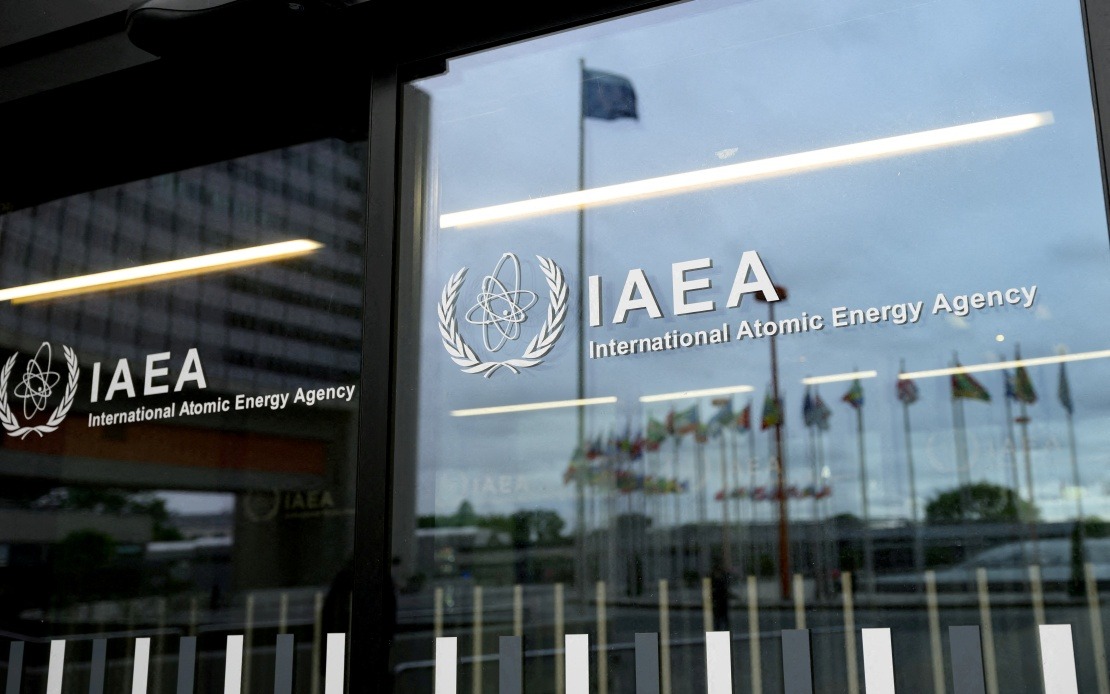
Iran has taken a hardline stance on nuclear transparency, refusing to grant the International Atomic Energy Agency access to its atomic installations until the United States fully lifts sanctions and a comprehensive final agreement is reached. The refusal, announced by Iranian Deputy Foreign Minister Kazem Gharibabadi on Wednesday, represents a significant impediment to verification efforts under the recently established peace framework between Tehran and Washington.
Gharibabadi's declaration that access to Iran's nuclear facilities and materials will "be reviewed and resolved solely within the framework of the final agreement and as a result of the other party's practical action to terminate all sanctions" signals that Iran views nuclear transparency as a bargaining chip rather than an immediate commitment. The Iranian government has linked inspection access directly to concrete American action on sanctions relief, creating a conditional framework that complicates the verification process that international observers consider essential for monitoring compliance.
The diplomatic standoff carries particular significance given the scale of recent military operations targeting Iranian nuclear infrastructure. Three major facilities—Fordow, Natanz, and Isfahan—sustained bombardment during the 12-day conflict in June 2025, with the United States and Israel subsequently conducting additional strikes on Iranian nuclear and military targets following the escalation that commenced on February 28 this year. The destruction of these sites has raised international concerns about Iran's nuclear programme capabilities and intentions, making independent verification increasingly critical for regional stability.
Rafael Grossi, the IAEA Director General, had signalled intentions to conduct inspections based on the recently signed peace memorandum of understanding between Iran and Washington, announced on June 18. That document provides a 60-day negotiating window aimed at producing a definitive settlement regarding Iran's nuclear activities and the removal of international sanctions. However, Gharibabadi's statement effectively blocks any such inspections from proceeding during this crucial period, despite Grossi's apparent request for meetings with Iranian negotiators in Switzerland.
For Southeast Asian nations and regional observers, Iran's conditional approach to nuclear transparency presents a cautionary example of how verification frameworks can become leverage points in broader geopolitical negotiations. Malaysia and other Association of Southeast Asian Nations countries that have supported international non-proliferation mechanisms may view this development with concern, particularly as it demonstrates how nuclear agreements remain vulnerable to political reversals and linkage strategies. The inability of the IAEA to conduct routine inspections during negotiation phases undermines confidence-building measures that are normally considered preliminary to final agreements.
The first round of substantive negotiations under the peace framework occurred in Switzerland over the weekend, with both delegations reportedly engaging on terms toward a comprehensive settlement. However, Gharibabadi's public rebuff of inspector access suggests that foundational disagreements persist on the sequencing and conditionality of verification provisions. The Iranian position essentially demands that Washington demonstrate commitment through tangible sanctions relief before Iran permits the inspections that would verify compliance with nuclear restrictions.
This conditionality creates a logical impasse: the United States and international observers require verification that Iran is adhering to nuclear limitations before agreeing to sanctions removal, while Iran refuses to permit verification until sanctions are already lifted. Breaking such deadlocks typically requires a mediating power or creative interim arrangements, yet neither has yet emerged in the current negotiations. The 60-day window established by the memorandum of understanding therefore becomes a compressed timeframe within which both sides must simultaneously demonstrate good faith while resolving fundamental disagreements about the sequencing of reciprocal actions.
Iran's military experience during the recent conflicts has complicated verification arrangements further. The damage inflicted on Fordow, Natanz, and Isfahan, combined with the subsequent strikes on additional military-nuclear targets, has made Iranian officials potentially more cautious about permitting international observers access to sensitive facilities. The government may fear that inspection data could inform military targeting decisions should future hostilities emerge, transforming nuclear transparency into a potential security vulnerability rather than merely a compliance mechanism.
For the broader international non-proliferation architecture, Iran's stance raises questions about whether the IAEA's traditional inspection role can function effectively during periods of intense political negotiation. The agency's mandate depends on regular access to nuclear installations, yet Iran's linkage of access to political concessions suggests that states with negotiating leverage increasingly view inspections as tradeable commodities rather than non-negotiable components of international law. This development may influence how other states approach future nuclear agreements, potentially weakening the normative framework that supports routine verification.
The regional implications extend beyond bilateral Iran-US relations. Gulf Cooperation Council members, particularly Saudi Arabia and the United Arab Emirates, maintain considerable interest in Iranian nuclear intentions and regularly seek assurances regarding transparency. Iran's refusal to permit IAEA inspections during the negotiation period may heighten anxieties among these states, potentially complicating American efforts to maintain regional partnerships while simultaneously negotiating with Iran. Smaller nations throughout the Middle East and Asia that depend on American security commitments will scrutinise whether Washington can achieve verifiable constraints on Iranian nuclear activities or whether strategic concessions to Tehran undermine broader non-proliferation objectives.
The diplomatic path forward remains uncertain, as both sides have staked out positions that appear difficult to reconcile within the 60-day timeframe. Iran's insistence on linking inspections to sanctions removal reflects a broader Iranian strategy of demanding reciprocal American action at each negotiation stage. Whether American negotiators can overcome this condition through creative interim measures, such as phased sanctions relief tied to demonstrated compliance through alternative verification methods, will likely determine whether this peace initiative produces a durable final agreement or collapses before the negotiation period concludes.

