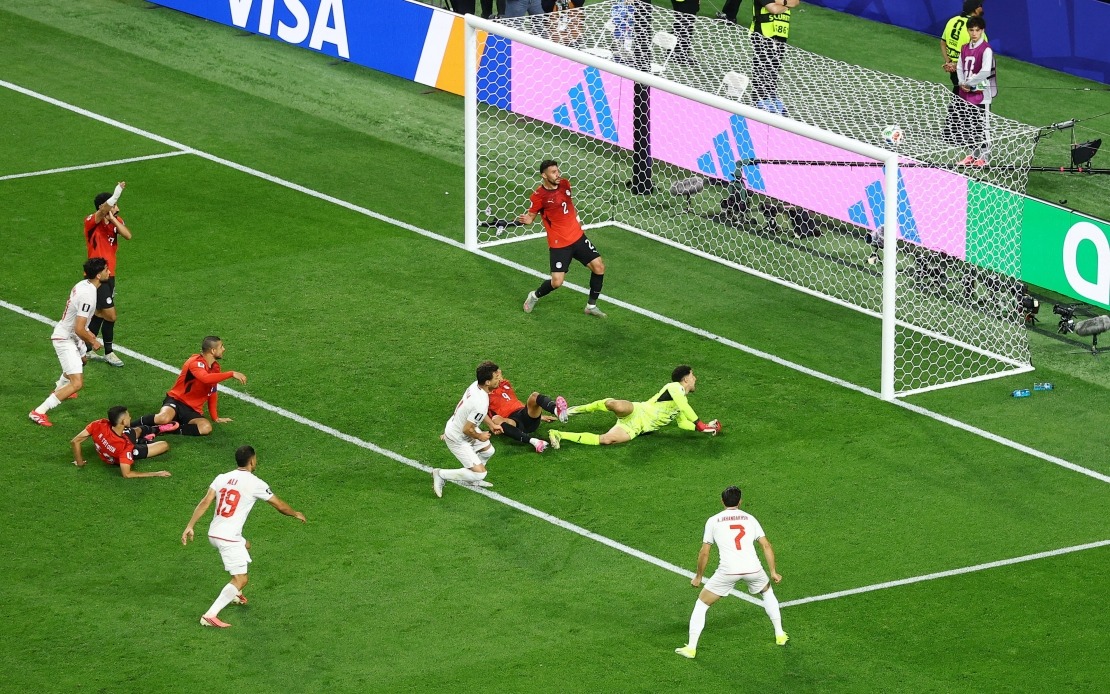
Iran's participation in the World Cup concluded in disappointment on Saturday with a 1-1 stalemate against Egypt, a result that sealed the Iranian team's elimination from knockout stage contention. The match itself proved contentious, as a goal from Iran was ruled out following an extended VAR review—a decision that exemplified the broader frustrations the Iranian delegation has articulated throughout their tournament run. As the team prepared to depart, the Iranian Football Federation issued a statement characterizing their overall experience as marked by "unfair and unsportsmanlike" conduct, adding another layer to what has been a diplomatically fraught World Cup appearance for the nation.
The Iran squad's journey to this tournament was marked by logistical complications from the outset. Originally scheduled to establish their base camp in Arizona, the team was reassigned to Tijuana, Mexico, forcing significant adjustments to their preparation and operational plans. This relocation was itself a reflection of the broader tensions surrounding Iran's participation, given the historical geopolitical relationship between Tehran and Washington. The reassignment meant the Iranian delegation faced a different set of circumstances than other participating nations, complicating their ability to train and organize in the manner they had envisioned.
Beyond the base camp issue, Iran encountered what they characterized as travel restrictions affecting their movement within the United States for scheduled matches. These logistical constraints compounded the team's challenges as they competed on a global stage. The federation's public statements suggest these restrictions went beyond standard security protocols, though specifics remain limited. For a squad attempting to perform at the highest level of international football, such administrative obstacles represent genuine impediments to optimal preparation and match-day logistics.
The VAR decision against Egypt encapsulates the technical frustrations Iran experienced. A lengthy video review ultimately resulted in the disallowance of an Iranian goal—a decision that proved decisive in eliminating the team from advancing further. In football, such marginal technical calls often generate controversy, but for Iran, this particular incident was woven into a larger narrative of perceived inequitable treatment. Whether the decision itself was correct became secondary to its symbolic weight as part of a pattern the Iranian federation felt obliged to document.
Throughout the tournament, Iran had repeatedly raised objections regarding various aspects of their experience. These complaints encompassed both on-field decisions and off-field conditions, suggesting a comprehensive dissatisfaction with how their delegation was managed and received. The recurring nature of these grievances indicates systematic issues rather than isolated incidents, though independent verification of specific claims remains important for balanced assessment.
The geopolitical context cannot be ignored. The United States and Iran maintain one of the most strained bilateral relationships in international affairs, marked by decades of sanctions, military tensions, and diplomatic ruptures. This historical animosity inevitably colors any interaction between American institutions and Iranian representatives, even in the realm of sport. That Iran was hosting a World Cup participation at all represented a delicate balancing act for FIFA and the host nation, with diplomatic sensitivities permeating even routine organizational matters.
In their departing statement, the Iranian federation acknowledged the hospitality they received in Mexico with genuine warmth. Their praise for Tijuana and its residents stood in stark contrast to their characterization of their treatment in the United States. This distinction itself speaks volumes—the team felt welcomed by Mexican authorities and citizens but encountered a markedly different reception north of the border. The federation's specific gratitude toward the "wonderful people of Mexico" and the "kind, warm-hearted residents" of Tijuana suggested that their base of operations provided psychological and practical respite from the tensions experienced during match days.
The Iranian federation also used their exit statement to commend international media coverage of their situation. By thanking journalists for their "professionalism" and "accuracy" in reporting both sporting performance and the circumstances surrounding their treatment, Iran was essentially appealing to the global narrative. This strategy reflects the federation's understanding that international opinion and media attention could validate their claims of unfair treatment and potentially influence future tournament organization and protocols.
For Malaysian and Southeast Asian observers, Iran's experience raises important questions about how host nations and international football bodies accommodate teams from countries with sensitive geopolitical relationships. Should FIFA and tournament organizers take additional steps to insulate competition from diplomatic tensions? Conversely, what security considerations might legitimately necessitate certain restrictions? These questions will likely shape discussions as football continues to serve as both a unifying sport and a stage for international tensions.
The broader implication extends beyond Iran's individual experience. If teams believe they are treated inequitably based on their nation's international relationships rather than sporting or security grounds, confidence in the integrity of global tournaments diminishes. Maintaining the legitimacy of World Cup competition requires perceived fairness in how all participating nations are treated, regardless of diplomatic relationships with host countries. Iran's departure may prompt FIFA to examine whether current protocols adequately balance legitimate security and organizational concerns with the principle of equal treatment.
As Iran's squad departed for home, their statement represented more than a complaint about tournament logistics. It constituted an official record of grievances, a public statement intended for both domestic constituencies and international audiences. Whether subsequent tournaments will result in improved protocols for all nations—particularly those with complicated relationships to host countries—remains to be seen. What is clear is that Iran's World Cup experience, marked by sporting disappointment and perceived administrative prejudice, will likely influence how the football federation approaches future international competitions.

