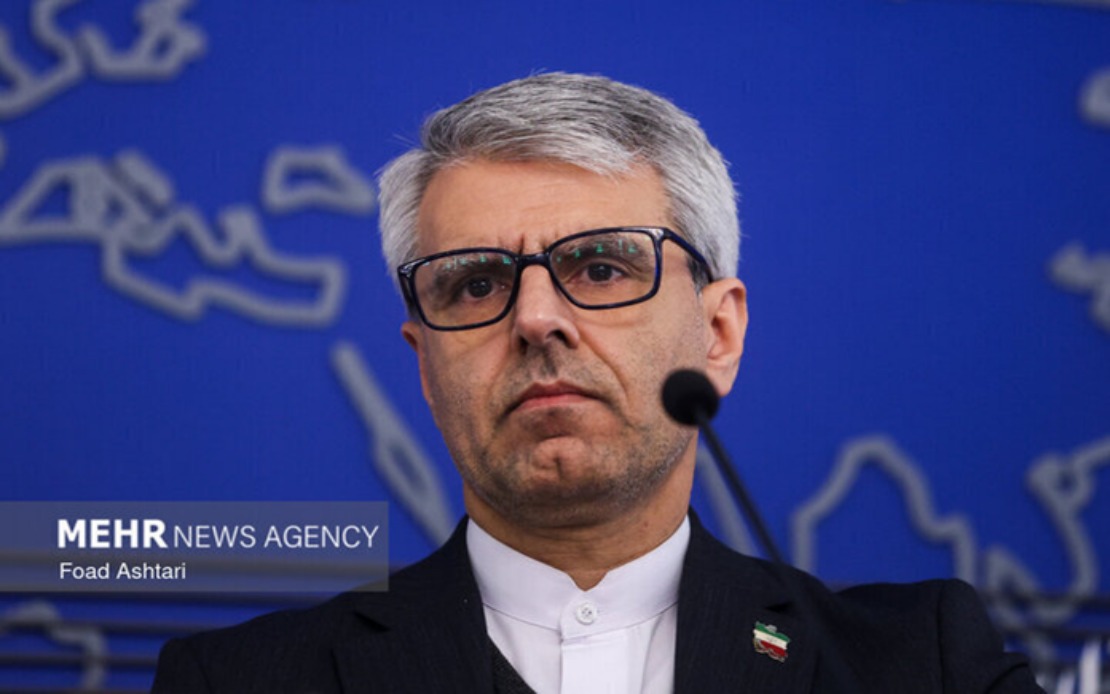
Iran and Oman have committed to maintaining ongoing consultations on the critical issue of maritime security in the Strait of Hormuz, according to a statement from Iranian Foreign Ministry spokesman Esmaeil Baghaei on Sunday. The agreement emerged following a high-level visit by Iranian Foreign Minister Abbas Araghchi to Oman on Saturday, where officials discussed the volatile situation affecting one of the world's most strategically important waterways. The announcement signals both nations' desire to pursue diplomatic channels despite escalating tensions in the broader Middle Eastern region.
The Strait of Hormuz represents a chokepoint of immense global significance, with approximately one-third of the world's traded oil passing through its narrow waters annually. For Malaysia and other Southeast Asian economies heavily reliant on energy imports, the security and freedom of navigation through this passage carry profound implications for fuel costs, supply chain stability, and broader economic security. Any sustained disruption to traffic flows could reverberate through regional markets within weeks, affecting everything from shipping rates to manufacturing competitiveness across the Association of Southeast Asian Nations.
According to Baghaei, the framework for future engagement encompasses political, legal, and technical dimensions, suggesting a comprehensive approach to resolving underlying disputes. This multi-layered dialogue structure indicates that both Tehran and Muscat recognise the complexity of the challenge, requiring coordination across different governmental and institutional levels rather than relying solely on top-level political statements. The technical component particularly matters, as it could involve maritime safety protocols, vessel tracking systems, and emergency response mechanisms that reduce the likelihood of accidental escalation.
The timing of these consultations follows a more confrontational announcement by Iran's Islamic Revolutionary Guard Corps, which previously declared its intention to close the Strait of Hormuz entirely until the United States ceased what Tehran characterises as regional interference. That declaration represented a significant hardening of rhetoric, though implementation would prove extraordinarily difficult given international maritime law, global economic interdependence, and the military presence of multiple naval powers in the region. The shift toward dialogue with Oman suggests potential recognition of the impracticality and costs associated with such blockade scenarios.
Oman's role as an intermediary reflects its long-standing regional positioning as a neutral broker in Middle Eastern disputes. The Sultanate maintains diplomatic relations across the ideological spectrum and has historically avoided the sectarian and geopolitical polarisation that characterises relationships among other Gulf states. Muscat's willingness to host Iranian officials and facilitate discussions demonstrates the value it places on regional stability and its strategic interest in maintaining the Strait's openness for its own considerable maritime commerce.
Baghaei's statement explicitly noted Qatar's participation in consultations as a mediating country, indicating a broader diplomatic architecture involving multiple stakeholders. Qatar has invested considerable diplomatic capital in Israeli-Palestinian negotiations and maintaining channels with various regional actors, positioning itself as another potential neutral space for dialogue. The involvement of multiple mediators suggests that the conversations extend beyond bilateral Iranian-Omani discussions toward a more inclusive regional framework, though key actors such as Saudi Arabia and the United Arab Emirates remain notably absent from the publicly announced process.
The spokesman further emphasised that future management arrangements for the Strait should emerge from direct consultations between Iran and Oman, rather than being imposed externally or determined unilaterally. This language carries particular significance given persistent American and European pressure on Iran regarding its maritime activities and nuclear programme. Tehran appears to be asserting its view that littoral states should exercise primary authority over passages adjacent to their territories, a position that challenges the broader international law principle of freedom of navigation in international straits.
Contextualising these developments requires understanding the escalating military tensions between Iran on one side and the United States and Israel on the other. Recent months have witnessed direct Israeli strikes on Iranian territory, Iranian drone and missile attacks on Israel, and sustained American military deployments throughout the Gulf region. Within this volatile environment, any incident involving commercial shipping—whether a collision, mechanical failure, or deliberate hostile act—carries potential for catastrophic misinterpretation and wider conflict. The decision to prioritise dialogue under such circumstances suggests that cooler heads perceive the extreme danger of miscalculation.
For Malaysian policymakers and business leaders, these diplomatic developments warrant close attention and cautious optimism. Malaysia's substantial trade relationships with both Iran and the broader Middle Eastern region, combined with its dependence on Gulf energy supplies, create direct stakes in the outcome of these negotiations. Disruption of Strait transit would elevate shipping insurance premiums, lengthen supply chains, and potentially create shortages of petroleum products that affect manufacturing competitiveness and consumer costs. Conversely, sustained de-escalation through dialogue offers the possibility of maintaining the status quo and preserving the economic relationships that benefit multiple stakeholders.
The commitment to continued consultations at political, legal, and technical levels provides a structured framework for addressing specific grievances rather than relying on rhetoric and military posturing. Political discussions can address sovereignty concerns and perceived regional aggression, legal conversations can clarify respective rights and obligations under international maritime law, and technical consultations can establish practical mechanisms for safe passage and incident prevention. This compartmentalisation allows progress on discrete issues even when broader political agreement remains elusive.
However, the ultimate effectiveness of these consultations depends on whether they catalyse movement toward substantive agreements or merely provide diplomatic cover while underlying tensions persist. Historical precedent offers mixed lessons—some regional disputes have yielded to sustained dialogue while others have festered despite years of consultations. The involvement of multiple mediators and the emphasis on various discussion levels suggest genuine commitment to problem-solving, yet scepticism remains warranted given the severity of underlying strategic competition and the involvement of extra-regional powers with their own interests in maintaining tensions.
Moving forward, observers should monitor whether these consultations produce concrete mechanisms for ensuring maritime safety, such as established communication channels, agreed-upon vessel inspection protocols, or joint monitoring systems. The degree to which Iran moderates its rhetoric regarding Strait closure, and the extent to which regional partners genuinely commit resources to dialogue rather than military preparation, will indicate whether this diplomatic initiative represents a genuine turning point or merely a tactical pause in broader confrontation. For Southeast Asian nations, sustained pressure for regional de-escalation serves vital economic interests and provides a prudent hedge against worst-case scenarios that could disrupt global energy markets and shipping patterns.

