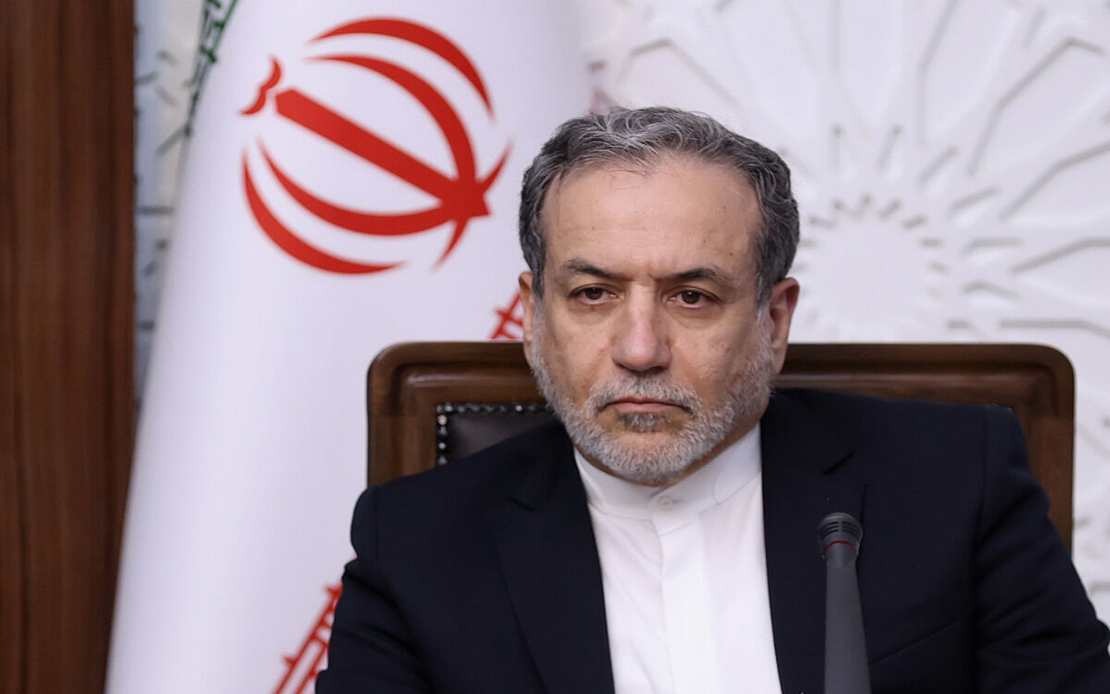
Diplomatic efforts to de-escalate tensions in the Middle East gained momentum this week as Iran's Foreign Minister Abbas Araghchi initiated high-level consultations with key regional players Pakistan and Qatar. The simultaneous outreach underscores Tehran's strategy of leveraging relationships with influential regional mediators to navigate the volatile security environment that has characterised the Gulf region for the past year.
Araghchi's telephone conversation with Pakistan's Army Chief, Field Marshal Asim Munir, centred on the shared responsibility both nations bear in maintaining regional stability. The exchange between Iran's chief diplomat and Pakistan's most senior military commander reflects the critical role Pakistan plays as a bridge between the Islamic Republic and broader South Asian interests in Gulf security. Both sides acknowledged the necessity for sustained dialogue and collaborative mechanisms to foster peace and security, signalling that despite their own internal challenges, Pakistan and Iran recognise mutual benefit in preventing further escalation.
Separately, Araghchi's engagement with Qatar's Foreign Minister Mohammed bin Abdulrahman Al Thani highlighted the small but strategically positioned Gulf state's mediation potential. Qatar, which has historically maintained pragmatic relationships across the region's competing factions, was presented with Araghchi's case for diplomatic solutions over military confrontation. The Qatari foreign ministry's subsequent statement emphasising "full support for diplomatic efforts" demonstrates how regional powers are aligning around negotiated outcomes rather than confrontational posturing.
The timing of these conversations coincides with a significant development regarding maritime security in the Strait of Hormuz, one of the world's most critical shipping chokepoints. Oman and Iran announced a proposed framework for establishing a temporary joint shipping corridor through these waters and conducting coordinated mine-clearance operations. This proposal, unveiled following talks in Tehran between Omani Foreign Minister Badr Albusaidi and Araghchi, represents a practical attempt to address one of the most contentious issues dividing Iran and Western powers.
The Strait of Hormuz has become a flashpoint for US-Iran competition, with approximately one-third of global seaborne oil passing through its narrow waters. The Iranian-Omani initiative reflects Tehran's recognition that unilateral assertions of control over maritime traffic generate international resistance and economic costs. By proposing joint management with a respected neutral party like Oman, Iran signals willingness to accommodate international concerns about freedom of navigation whilst securing its own maritime interests.
The United States, however, maintains a contrasting vision for the waterway's management. President Trump announced that the US Navy had cleared or detonated all mines in the Strait's international waters, framing this as safeguarding global commerce. Washington's preference for a southern shipping route closer to Omani territorial waters, coupled with its continuation of Iranian port blockades and comprehensive economic sanctions, reveals the fundamental gap between Tehran's and Washington's strategic objectives. The US approach seeks to contain Iranian influence through maritime denial, whilst Iran pursues legitimacy through inclusive regional arrangements.
This diplomatic ferment occurs against a backdrop of escalating military activity that has repeatedly disrupted efforts at negotiation. In late February, the US and Israel launched coordinated military strikes against Iranian targets, prompting Tehran to respond with direct strikes against Israeli and American military installations across the region. The cycle intensified last month when the United States resumed military operations, with Iran again retaliating by targeting American military assets in allied Arab states.
Despite these confrontations, a tentative diplomatic framework briefly emerged when the US and Iran signed a memorandum of understanding in mid-June with crucial mediation from Pakistan and Qatar. The agreement's subsequent collapse reflects the structural difficulties in reconciling incompatible security visions. Disagreements over the Strait of Hormuz and Iran's formal role in maritime governance proved insurmountable, revealing how specific disputes over regional order can undermine even carefully negotiated settlements.
For Malaysia and Southeast Asian nations, these Middle Eastern developments carry significant implications. The Strait of Hormuz's strategic importance extends well beyond the Gulf itself; disruptions to oil flows through this waterway directly impact energy prices and supply security across Asia. Any escalation that threatens shipping through the Strait resonates immediately in Malaysia's energy sector and broader manufacturing economy. Additionally, the involvement of Pakistan and Qatar as mediators demonstrates how regional conflicts increasingly involve actors from beyond the immediate area, creating complex networks of diplomatic engagement.
The Iranian-Omani shipping corridor proposal, if successfully implemented, could offer an alternative mechanism for managing Gulf maritime commerce without requiring direct US-Iran cooperation. Such arrangements might create space for normalisation that benefits all parties, including energy-dependent Asian economies. Qatar's explicit endorsement of diplomatic solutions provides a diplomatic venue where various stakeholders can pursue interests without military escalation.
However, the fundamental challenge remains the alignment of competing strategic interests. Iran seeks recognition as a legitimate Gulf power with maritime agency, whilst the US pursues containment through economic pressure and military presence. Pakistan occupies an uncomfortable middle position, balancing its strategic partnership with Saudi Arabia against its shared border and historical ties with Iran. Qatar, similarly, must navigate between its American military partnership and its relations with Iran.
The recent diplomatic surge reflects recognition among key players that military escalation has reached diminishing returns, creating space for negotiated solutions. Whether these consultations translate into sustainable agreements depends on whether underlying strategic grievances can be addressed through dialogue. The next weeks will reveal whether the Iranian-Omani framework gains traction and whether Pakistan and Qatar can broker agreements that address American security concerns whilst acknowledging Iranian interests in regional respect and maritime participation.

