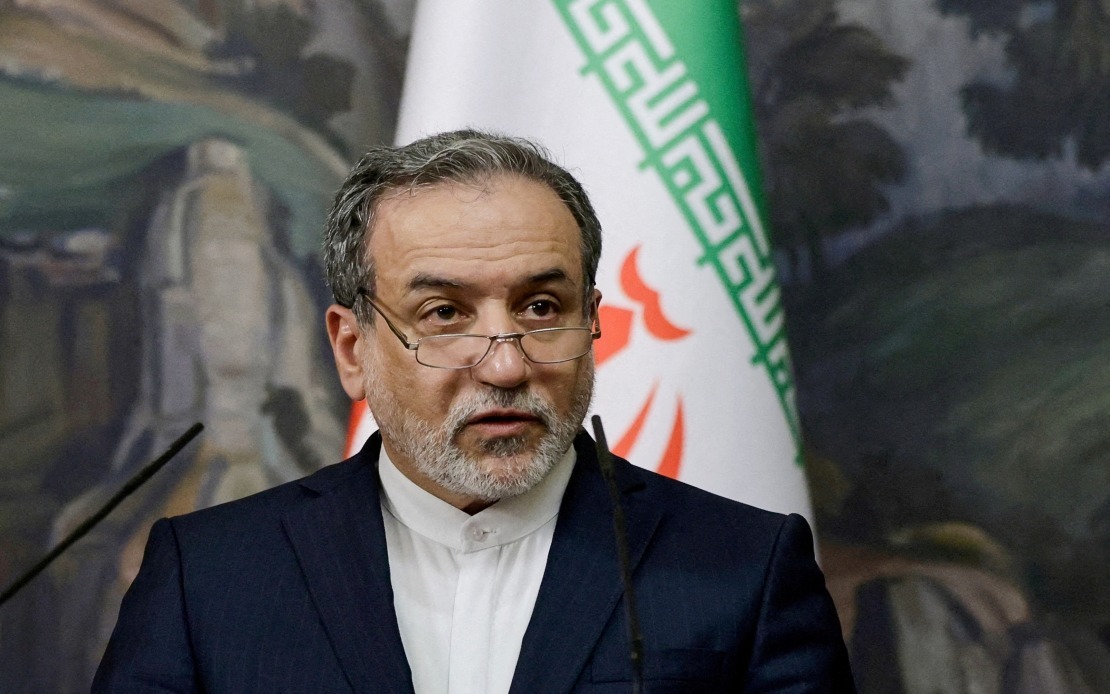
Iran has not yet committed to resuming indirect negotiations with the United States, according to Foreign Minister Abbas Araghchi, who sought to dampen expectations that recent exchanges between the two countries signal a shift toward renewed diplomatic engagement. Speaking in Istanbul on August 15, Araghchi emphasised that continued communication channels through third-party mediators should not be misconstrued as a return to formal talks, a distinction that underscores the fragility of the diplomatic process and the vast gulf that remains between the two adversaries.
Araghchi pushed back strongly against international interpretations of the June Islamabad memorandum, a framework brokered by Pakistan that had been characterised by some observers as establishing a 60-day ceasefire period. He rejected this reading outright, asserting that the agreement's core component was the termination of active hostilities rather than a temporary pause that would require formal renewal or extension. The distinction carries significant weight in understanding how Iran views its obligations and the current status of its dispute with the United States.
According to Araghchi's account, the United States subsequently violated the terms of the Islamabad memorandum, leading to a resumption of military confrontation. This alleged breach, in Iran's view, negated any ceasefire arrangement and fundamentally altered the agreement's validity. The foreign minister characterised the 60-day window not as a ceasefire period but rather as a designated timeframe during which both parties were expected to negotiate toward a comprehensive and lasting settlement of their differences.
The ongoing involvement of Qatar and Pakistan as intermediaries represents a critical diplomatic channel, yet Araghchi was careful to distinguish between mediation and substantive negotiations. He acknowledged that both countries continue to maintain contact with Tehran and exchange messages with American representatives, but stressed that this routine diplomatic communication does not constitute formal talks aimed at resolving core disputes. This nuance reflects Iran's strategic interest in preserving diplomatic pathways while maintaining that no fundamental shift in its negotiating position has occurred.
Separate from any potential discussions with Washington, Araghchi indicated that Iran is engaged in technical negotiations with Oman concerning maritime affairs. These talks focus specifically on establishing new shipping corridors through the Strait of Hormuz, a waterway of immense strategic and economic importance to global energy markets and regional shipping. The previous maritime routes through this critical chokepoint have become unsuitable for current operational requirements, prompting both nations to collaborate on designing alternative pathways.
The development of new shipping lanes represents a complex technical exercise involving Iranian military specialists alongside civilian maritime experts from both countries. Araghchi stated that these discussions are advancing toward conclusion, with the aim of eventually establishing a permanent route once the temporary arrangement proves viable. The scope and timeline suggest a serious commitment from Iran to find practical solutions to regional maritime challenges, independent of broader diplomatic disputes with the United States.
Crucially, Araghchi emphasised that the technical shipping negotiations with Oman should not be conflated with broader questions about reopening the Strait of Hormuz itself. The distinction highlights how Iran compartmentalises different aspects of regional diplomacy and security arrangements. While technical discussions about maritime corridors may proceed smoothly between Tehran and Muscat, the actual status and accessibility of the Strait of Hormuz remains contingent upon other factors that fall outside the scope of maritime logistics planning.
The foreign minister made explicit that reopening the Strait of Hormuz—which holds enormous significance for international shipping and energy supplies—depends on the United States fulfilling a series of unstated conditions that Iran has yet to fully articulate. This conditional approach gives Iran leverage in any future negotiations while also leaving room for diplomatic flexibility. It suggests that Iran views the question of maritime access as integral to broader regional security arrangements rather than as a purely technical matter amenable to separate resolution.
For observers in Southeast Asia and beyond, Iran's carefully calibrated statements reflect a sophisticated approach to managing multiple diplomatic fronts simultaneously. Malaysia and other regional nations with interests in Persian Gulf security and maritime commerce have vested stakes in how these disputes evolve. The Strait of Hormuz's status affects shipping costs, insurance premiums, and energy prices across Asia, making Iran's diplomatic posture a matter of tangible concern for ASEAN economies dependent on stable Gulf transit routes.
The broader strategic context reveals Iran navigating a complex geopolitical environment where direct confrontation with the United States remains possible but costly, while complete capitulation would undermine domestic political support. By insisting that no negotiating decision has been made, Araghchi preserves Iran's negotiating flexibility while avoiding both the appearance of weakness and overcommitment to talks that might face domestic criticism. This positioning allows Iran to respond opportunistically should American conditions change or regional circumstances shift.
The emphasis on mediation rather than direct engagement also reflects lessons Iran learned from previous rounds of negotiation and the ultimate collapse of the 2015 nuclear agreement. Direct engagement with Washington produced an agreement that Iran felt was subsequently repudiated by an American administration change, reinforcing Tehran's preference for maintaining negotiating distance through intermediaries. This approach provides Iran with plausible deniability and reduces domestic political vulnerability should talks ultimately fail to produce results.
Moving forward, the status of these mediated contacts and technical discussions will bear watching as indicators of whether genuine diplomatic progress is occurring beneath the surface of official pronouncements. Malaysia's maritime community and broader ASEAN stakeholders have reasons to monitor developments closely, as any resolution affecting Strait of Hormuz access or shipping arrangements could significantly impact regional trade and energy security. The coming weeks and months will clarify whether Iran's careful distinction between mediation and negotiation represents a genuine barrier to renewed talks or a face-saving formula preceding more substantive engagement.

