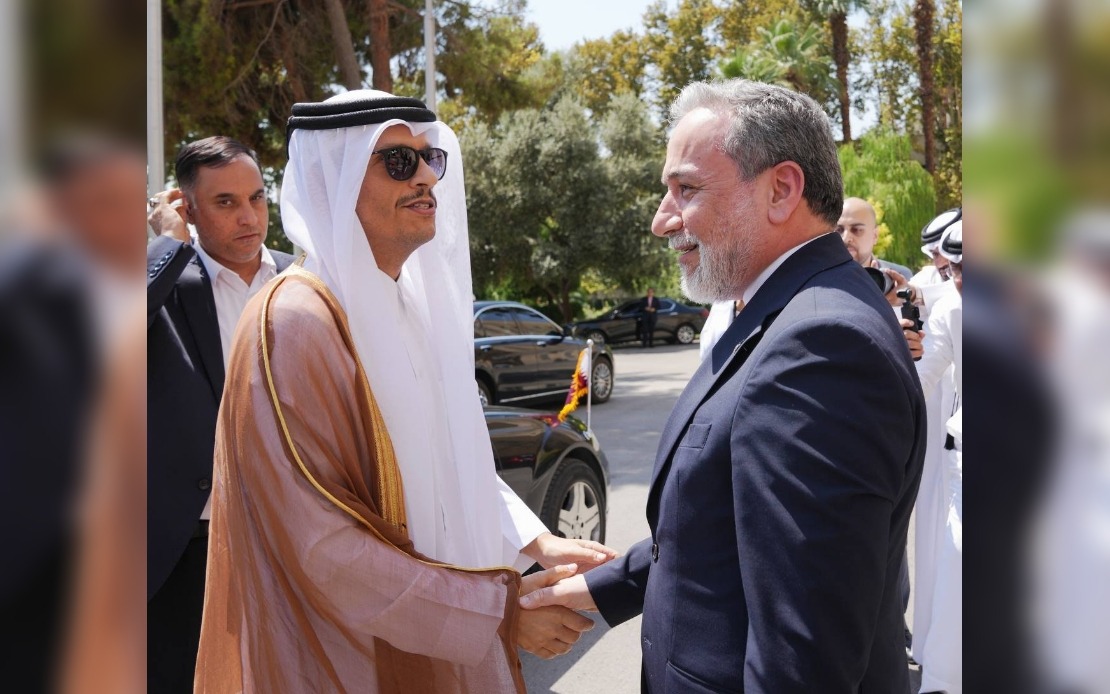
Iran's Foreign Minister Abbas Araghchi has signalled cautious optimism about the possibility of restarting diplomatic engagement with the United States, contingent on a fundamental shift in American strategy. Speaking after high-level talks in Tehran on Thursday, Araghchi indicated that while the path to renewed dialogue remains challenging, it is not beyond reach—provided Washington adopts a different negotiating posture.
The Iranian diplomat's remarks came during a visit by Qatar's Foreign Minister Sheikh Mohammed bin Abdulrahman bin Jassim Al Thani, part of Doha's ongoing efforts to mediate between the two countries and ease mounting tensions in the Middle East. Araghchi characterised his discussions with the Qatari delegation as productive, describing them as "creative" sessions aimed at exploring avenues for de-escalation. This language suggests Tehran may be exploring concrete proposals rather than simply reiterating long-standing positions.
Central to Araghchi's message was his assertion that coercive pressure tactics have proven counterproductive. He specifically stated that the United States must recognise this fundamental reality if meaningful progress is to occur. This represents a key Iranian negotiating position: that Washington's decades-long strategy of sanctions and military posturing has failed to achieve its stated objectives and instead deepened mistrust and hostility. For Malaysian observers and regional analysts, this reflects Tehran's belief that leverage-based diplomacy requires mutual respect rather than unilateral imposition.
The Iranian foreign minister outlined what Tehran considers prerequisite conditions for dialogue. Beyond abandoning pressure, he called for the US to demonstrate good faith through respectful communication, explicit recognition of Iranian sovereign rights, and strict adherence to any commitments made during negotiations. These demands carry historical weight, referring to past agreements such as the Joint Comprehensive Plan of Action, which the Trump administration unilaterally abandoned in 2018—an action Iran views as a betrayal that fundamentally undermined trust.
Qatar's diplomatic shuttle reflects Doha's strategic position as a neutral broker capable of maintaining channels with both Washington and Tehran. Sheikh Mohammed's visit to Iran marked his first journey to the country since escalating tensions began in late February, when Israeli and American military strikes heightened regional instability. This timing suggests Qatar may be testing whether conditions exist for more structured negotiations, rather than simply managing crisis communication.
During his Tehran stay, the Qatari foreign minister met with several top Iranian officials, including President Masoud Pezeshkian, Parliament Speaker Mohammad Bagher Qalibaf, and Secretary of Iran's Supreme National Security Council Mohsen Rezaei. The breadth of these engagements indicates Qatar presented comprehensive proposals requiring buy-in from Iran's military and security establishment, not merely political leadership. This multi-level approach is typical of serious diplomatic initiatives seeking to overcome institutional resistance.
Among the proposals discussed were mechanisms for creating practical conditions favouring renewed talks, suggesting both sides recognise that simply announcing a willingness to negotiate is insufficient. Additionally, discussions reportedly covered a proposed temporary joint navigational corridor through the Strait of Hormuz and coordinated mine-clearing efforts. These technical measures are particularly significant for Southeast Asian nations, given the critical importance of Hormuz as a shipping artery through which vast quantities of regional trade transit. Any escalation in this waterway poses direct risks to Malaysian commerce and energy security.
The Strait of Hormuz proposal is noteworthy because it addresses practical concerns affecting regional stability without requiring either party to concede on political or strategic principles. A jointly managed corridor could reduce incidents that might otherwise trigger tit-for-tat escalation, potentially benefiting all regional players. For Malaysia and other ASEAN nations dependent on freedom of navigation, such arrangements have tangible economic implications.
Araghchi's carefully calibrated remarks suggest Tehran is preparing groundwork for possible negotiations, even as it maintains firm positions on principle. By stating that restoration of diplomacy is "not impossible," Iran neither closes the door nor makes concessions—it establishes conditions that frame any future progress as contingent on American behaviour change. This rhetorical positioning gives Tehran flexibility while maintaining domestic political credibility with hardliners who oppose perceived capitulation.
The timing of these overtures matters considerably. Regional tensions remain elevated following months of tit-for-tat exchanges, yet neither Washington nor Tehran appears eager for direct military confrontation. Qatar's mediation efforts suggest all parties recognise the costs of escalation outweigh benefits. For Southeast Asian observers, the stakes extend beyond US-Iran relations; prolonged Middle East instability threatens regional supply chains, investment flows, and the security environment upon which maritime trade depends.
What remains unclear is whether American policymakers share Iranian and Qatari assessments regarding dialogue's feasibility. Araghchi's insistence that pressure tactics must cease suggests Tehran believes Washington remains wedded to coercive strategies. If US leadership proves willing to embrace alternative approaches—acknowledging Iranian concerns while exploring mutually acceptable arrangements—genuine progress might follow. Conversely, if Washington maintains its current trajectory, these diplomatic soundings may ultimately prove symbolic rather than transformative.

