Iran has firmly rejected United States President Donald Trump's suggestion that diplomatic discussions could proceed without a formal ceasefire agreement in place, signalling a hardening stance as tensions between the two nations escalate once again. Instead, Tehran is conditioning any return to the negotiating table on Washington's willingness to implement what Iranian officials describe as previously agreed understandings—a phrase that encompasses critical issues surrounding shipping through the Strait of Hormuz and the restoration of Iran's global oil export capacity. This position represents a significant shift from the tentative ceasefire agreed in mid-June and underscores the fragility of any peace framework between the longtime adversaries.
Trump's mixed messaging has compounded the uncertainty. While publicly expressing his desire to maintain dialogue with Tehran, the American leader issued an ominous warning on Friday evening, threatening to unleash "1000 Missiles" against Iran should it proceed with alleged plans to assassinate him. The threat came after Israel reportedly briefed Trump on intelligence regarding an Iranian assassination plot, with the US president's concerns apparently heightened by calls for his death reportedly made during funeral ceremonies for Ayatollah Ali Khamenei. The inflammatory rhetoric represents a sharp departure from diplomatic language and suggests that despite stated willingness to talk, Washington remains deeply suspicious of Iranian intentions and prepared to respond with overwhelming military force.
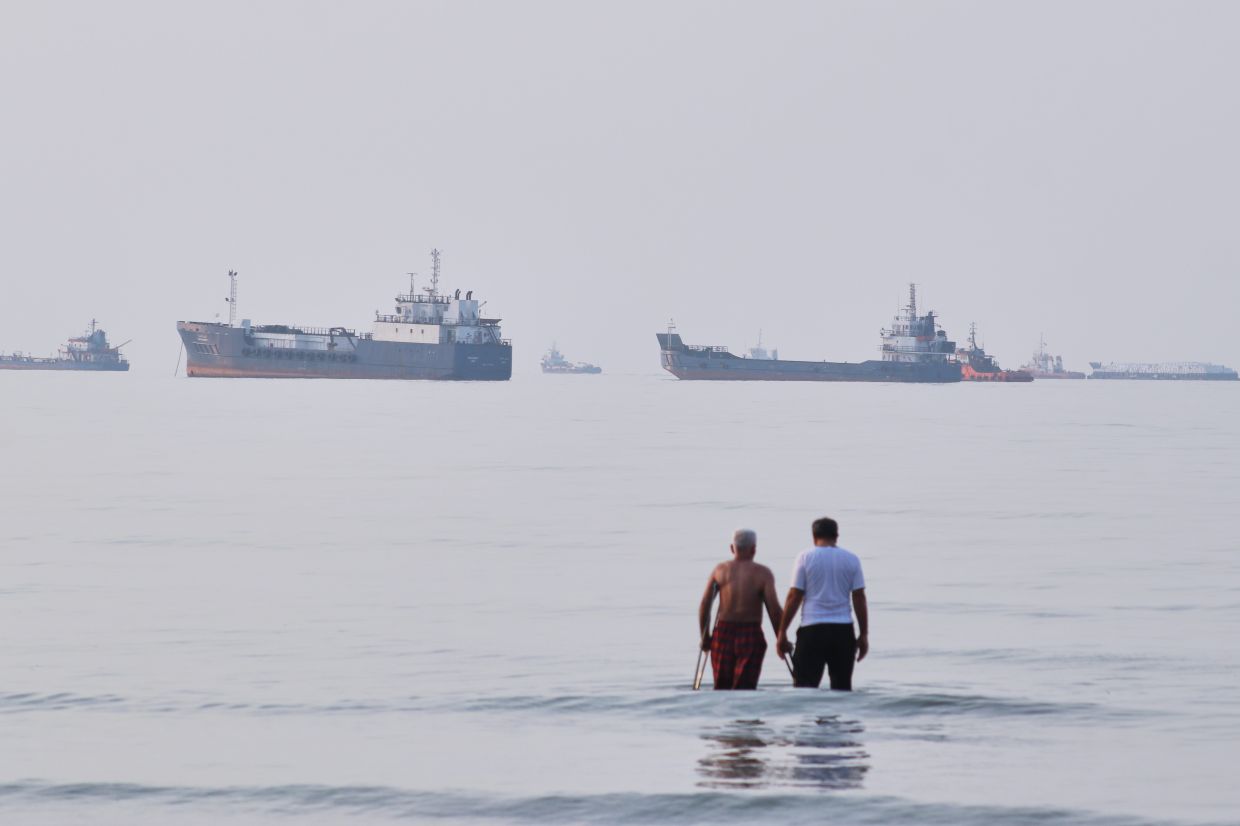
The substance of American demands has become clearer through statements by anonymous senior Trump administration officials who spoke to reporters this week. The US is insisting that Iran make a public declaration acknowledging that all passages through the Strait of Hormuz remain open to international shipping traffic, and that Tehran commit itself to refraining from attacks on commercial vessels traversing these crucial waters. Officials warned that failure to provide such assurances would result in unspecified consequences, creating an implicit threat that hangs over nascent diplomatic efforts. For Malaysia and other Southeast Asian maritime trading nations that depend heavily on Strait of Hormuz passage for energy imports and commercial shipping, this dispute carries profound implications for regional stability and commodity prices.
The deterioration in the security situation has been dramatic and swift. Days of American airstrikes followed by Iranian retaliation have roiled global energy markets and cast serious doubt on the viability of a comprehensive peace settlement. Trump's declaration on Friday that he considers the June ceasefire effectively terminated removes any remaining ambiguity about Washington's negotiating posture. Additionally, the United States Treasury Department's decision to revoke a waiver that had permitted Iran to market its crude oil internationally represents an economic escalation that strikes at the heart of Tehran's most pressing concern—the ability to generate revenue through petroleum sales and thereby sustain its economy under international sanctions.
Iran's accusations that the United States bears responsibility for attacks on shipping in the Strait of Hormuz stand in sharp contrast to Washington's claims that Tehran itself has orchestrated such incidents. This fundamental disagreement over who is conducting maritime violence underscores how deeply the two sides mistrust each other. When Iran retaliated to the latest round of American strikes by launching its own attacks against US military installations scattered throughout the region, it demonstrated both its capability and its willingness to escalate beyond diplomatic channels. Each cycle of action and counter-action makes the path back to negotiations more difficult and raises the stakes for any miscalculation.
Despite the inflammatory atmosphere and military posturing, Trump administration representatives have indicated that expert-level technical discussions with Iranian counterparts are expected to persist. This suggests that beneath the public theatrics and threats, some channels of communication remain open. The decision by Iranian Foreign Minister Abbas Araghchi to travel to Oman on Saturday for consultations regarding the future status and management of the Strait of Hormuz signals that Tehran has not completely closed the door to diplomacy. Oman, a sultanate with historically neutral relations and a reputation for quiet mediation, provides a suitable venue for such sensitive discussions away from the glare of international media attention.
The internal Iranian political situation adds another layer of complexity to these international negotiations. The country is observing a three-day memorial ceremony for Ayatollah Ali Khamenei, whose death in late February during a coordinated US-Israel military campaign marked the dramatic opening of the current conflict. The funeral proceedings, which have drawn massive crowds across Iranian cities and into neighbouring Iraq, reflect the significance of Khamenei's death as a transformative moment in the regional power balance. His passing represented not merely the loss of a figurehead but a fundamental rupture in the established order of Iranian governance and strategic decision-making.
Khamenei's son and successor, Mojtaba Khamenei, has emerged as the new supreme leader, though his public profile remains strikingly minimal. He issued a statement on social media platform X calling for revenge for his father's killing, declaring that retribution was a "certain and undeniable duty" for Iran. However, Mojtaba has not appeared in public or on video since his appointment days after the February 28 airstrikes that claimed his father's life. This conspicuous absence has fuelled international speculation about the severity of injuries he sustained in the same attack and raised questions about his capacity and willingness to engage substantively in negotiations aimed at ending the conflict.
Official Iranian sources have acknowledged that Mojtaba sustained injuries during the February assault but have insisted that he remains actively engaged in decision-making processes throughout the ongoing conflict. The credibility of these assurances is difficult to assess from outside Iran, and the absence of any public or televised appearance by the new supreme leader has inevitably spawned rumours and concerns about his true condition and control over state institutions. For negotiators attempting to reach agreements with Iran, uncertainty about whether they are truly engaging with someone capable of binding the entire state apparatus creates significant obstacles to achieving durable settlements.
The immediate challenge facing both Washington and Tehran involves reconciling their fundamentally divergent positions on the conditions necessary for meaningful negotiation. The Trump administration appears determined to extract tangible concessions on maritime security and shipping access before agreeing to broader discussions about normalisation and economic restoration. Iran, by contrast, is signalling that it will not move on these specific issues without prior American commitment to an overarching framework addressing its core concerns about economic sanctions, oil export restrictions, and regional security guarantees. This chicken-and-egg dynamic—in which each side demands that the other take the first step—has historically proven to be one of the most intractable obstacles to reaching agreement in regional conflicts.
For neighbouring states and trading partners in Southeast Asia and the broader region, the implications of continued US-Iran tensions are substantial and multifaceted. The Strait of Hormuz remains the world's most critical energy transit corridor, with roughly one-third of all maritime-traded petroleum passing through its waters annually. Any sustained disruption to shipping or escalation of military confrontations in the region directly affects energy security, commodity prices, and the stability of supply chains that underpin global commerce. Malaysian policymakers and businesses therefore have a vested interest in seeing these tensions de-escalate and diplomatic channels reinforced, even as they respect the sovereign concerns and legitimate security interests of all parties involved in the dispute.

