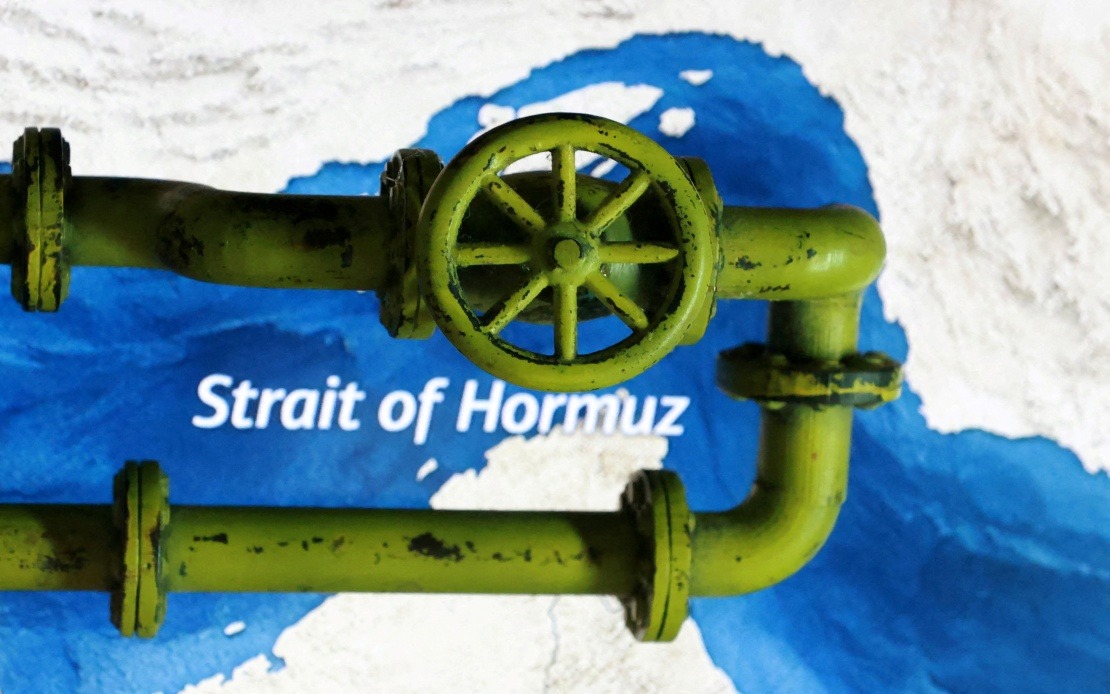
The governor of Iran's Central Bank delivered stark testimony on Wednesday regarding the nation's collapsed oil export sector, confirming that petroleum shipments have effectively ceased entirely as the country grapples with compounding geopolitical and economic pressures. Abdolnaser Hemmati's acknowledgment during a televised interview represents an unusually candid admission of the scale of Iran's current economic crisis, one that extends beyond Tehran itself to affect neighboring oil-producing states wrestling with comparable revenue collapses.
Hemmati's comparison of Iran's predicament to that of Iraq and Qatar underscores the regional dimension of this economic catastrophe. He noted that all three nations have experienced dramatic declines in oil revenues, yet Iran faces a distinctly more severe situation given the asymmetry of available remedies. While Baghdad and Doha retain access to their respective central bank reserves as financial buffers against revenue disruption, Tehran confronts the reality that American sanctions have effectively sequestered Iranian foreign currency holdings, rendering them inaccessible to policymakers attempting to stabilize the economy during this crisis period.
The Central Bank chief emphasized that authorities had undertaken preparatory measures to withstand the revenue vacuum, though he provided minimal detail regarding the specific mechanisms through which the government intended to offset the loss of petroleum export income. This vagueness likely reflects the genuinely constrained options available to Iranian decision-makers, who must navigate between international isolation and domestic economic necessity. The inability to deploy frozen reserves substantially narrows the toolkit of conventional macroeconomic policy instruments typically employed by central banks during external shocks.
Hemmati specifically referenced the Islamabad Memorandum, a framework agreement signed between Iran and the United States in June that was ostensibly designed to facilitate a comprehensive diplomatic resolution and the release of previously frozen Iranian assets. The Central Bank governor expressed frustration that financial resources promised under this preliminary understanding remain unaccessed, signaling that even diplomatic progress has failed to translate into tangible economic relief for Tehran. This breakdown between negotiated agreements and implementation illustrates the depth of mistrust characterizing current Iran-US relations and the fragility of any framework dependent upon American goodwill for execution.
Malaysian observers should note Iran's historical economic relationship with Iraq, which contextualizes the current discussions between Iranian and Iraqi officials. Prior to the eruption of military conflict, Iran conducted approximately $12 billion annually in bilateral trade with its neighbor, encompassing both government-to-government arrangements valued at $4 billion—primarily involving energy exports such as natural gas and electricity—and private sector transactions worth $8 billion. This scale of commercial interdependence reveals how deeply integrated the two economies had become, making Iraq a significant component of Iran's international commerce strategy.
The financial arrangements between Tehran and Baghdad have themselves become strained, with Iraq owing Iran substantial outstanding payments for previous energy deliveries. Hemmati acknowledged during his recent visit to Iraq that while Baghdad has pledged to address these accumulated debts, the Iraqi government itself confronts severe fiscal constraints stemming from the closure of the Strait of Hormuz and the consequent disruption to its own petroleum revenues. This cascade of regional economic dysfunction demonstrates how sanctions and military tensions create interconnected vulnerabilities across the Gulf, affecting economies throughout the region and extending indirect consequences to trading partners across Asia.
Tehran and Baghdad have identified creative mechanisms to mitigate immediate payment challenges in an environment where conventional financial channels have deteriorated. Discussions have centered on facilitating transfers and deployment of Iranian funds currently held within Iraqi banking institutions, particularly arrangements involving the Trade Bank of Iraq as a financial intermediary. Hemmati's assertion that Iraqi Prime Minister has endorsed using the Trade Bank's resources to guarantee obligations owed to Iranian contractors operating in Iraq suggests Tehran is constructing alternative credit structures to maintain economic activity despite the collapse of standard commercial financing.
The deterioration of Iran's export position must be situated within the broader context of American sanctions architecture, which has for years targeted Iranian hydrocarbon sales and financial system access with explicit intent to constrain Tehran's principal source of foreign currency generation. Washington's strategic objective has consistently centered on degrading Iran's capacity to fund its government operations, military apparatus, and regional proxy networks by asphyxiating revenue flows from petroleum—historically the foundation of Iran's external earnings.
Hemmati's candid public statements regarding the collapse of oil exports coincide with a period of renewed military escalation between Iran and the United States, following the June framework agreement's practical breakdown and the resumption of direct hostilities. The combination of zero oil revenue, sequestered foreign reserves, and unresolved diplomatic negotiations creates an exceptionally precarious situation for Iranian monetary authorities attempting to manage currency stability, inflation expectations, and capital flight pressures simultaneously.
For Southeast Asian economies including Malaysia, Iran's economic deterioration carries implications across multiple dimensions. Trade relationships face disruption as Iranian purchasing power contracts; shipping routes through strategic waterways encounter elevated security risks; and regional stability becomes further compromised by economic desperation potentially driving policy escalation. Malaysian businesses maintaining commercial relationships with Iran or transiting Gulf waters should reassess exposure levels and contingency planning, as the current trajectory suggests extended duration of this economic strangulation rather than imminent resolution.

