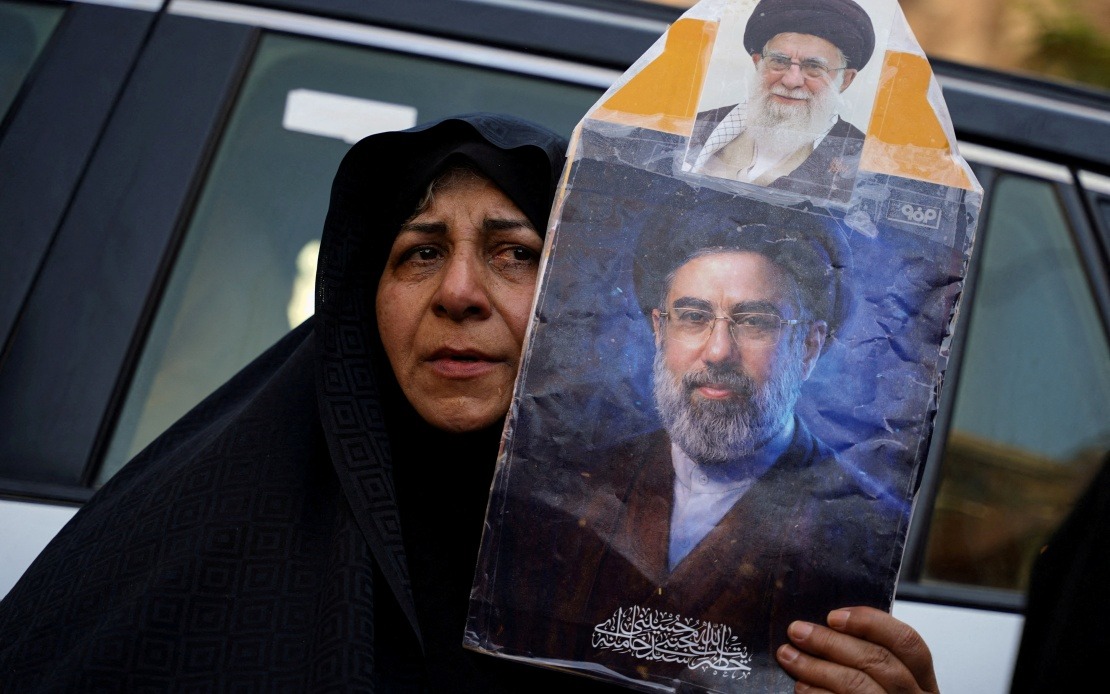
The Iran-United States relationship has deteriorated sharply following recent violations of a peace memorandum that promised to reset ties between the two adversaries. Iranian Supreme Leader Khamenei released a statement on Saturday accusing the American administration of rendering its own commitments meaningless, arguing that decades of broken promises have demonstrated a pattern of deception that Malaysian and Southeast Asian observers would do well to monitor closely given the region's reliance on global stability.
The memorandum of understanding, signed by Iranian President Masoud Pezeshkian and US President Donald Trump on June 18, was intended to chart a new course for bilateral relations after years of confrontation. Under its terms, both nations were obligated to pursue detailed negotiations within a sixty-day window that would culminate in a comprehensive final agreement addressing outstanding disputes. The accord represented a significant diplomatic opening, suggesting that high-level engagement might finally resolve the fundamental disagreements that have poisoned ties since the 1979 revolution.
Khamenei's statement, delivered through Iranian state media as part of a broader address to the nation, went beyond routine diplomatic protest. The Iranian leader characterised American actions as revealing the true nature of US foreign policy, describing it as inherently dishonest, illogical, and driven by malign intent. His use of such uncompromising language signals that Tehran has abandoned hope of salvaging the deal through negotiation, instead branding the entire agreement a failure before substantive talks could even commence.
The specifics of Washington's alleged violations remain somewhat opaque in Iranian accounts, but the substance is clear: the United States has engaged in military operations against Iranian interests in recent days, contradicting the spirit of a peace accord signed merely weeks earlier. These actions have prompted immediate Iranian retaliation, with Tehran launching its own strikes against American military positions and facilities across the region, creating a cycle of escalation that threatens to spiral beyond the control of either government.
The collapse of this agreement carries significant implications for the broader Middle East and, by extension, global trade and security. Southeast Asian nations, already navigating complex relationships with both Washington and Tehran, face uncertainty about which signals to trust and how to calibrate their own regional diplomacy. Malaysia and its neighbours have sought to maintain balanced relationships with the major powers, making this latest breakdown particularly troubling for states that depend on predictable great-power behaviour.
On Saturday, Deputy Foreign Minister Kazem Gharibabadi formalised Iran's response by announcing that the country would cease honouring its obligations under the memorandum. This declaration transforms rhetorical criticism into concrete policy, essentially abandoning any remaining pretence that the June agreement remains viable. Gharibabadi specifically accused the United States of initiating the violations, framing Iran's decision as a forced response to American breach of faith rather than a voluntary act of escalation.
The timing and rhetoric of these Iranian pronouncements suggest a leadership convinced that American undertakings carry no binding force. Khamenei's assertion that Trump's signature is worthless reflects decades of accumulated grievance dating back to previous negotiations and agreements that Iran believes Washington has systematically undermined or abandoned. From the Iranian perspective, this pattern validates a long-standing conviction that dialogue with the United States ultimately proves futile.
Khamenei went further by issuing what amounts to a warning to the United States, stating that if Washington persists in what he termed warmongering and attempts to increase costs imposed on Iran, Tehran and its allies should expect severe consequences. The reference to "the resistance front" alludes to Iranian-aligned militia and state actors throughout the region, potentially including Hezbollah in Lebanon, armed groups in Syria and Iraq, and other proxies that have historically responded to Iranian strategic direction.
The practical military situation on the ground tells a story of rapid deterioration. Multiple American strikes have targeted Iranian positions and interests in recent days, while Iranian forces have responded with their own attacks on US military infrastructure. This tit-for-tat dynamic historically tends to accelerate rather than stabilise, with each side interpreting the other's actions as justification for increased intensity. The absence of functioning diplomatic channels—precisely the bridges that the failed memorandum was meant to rebuild—leaves little room for de-escalation.
For observers in Malaysia and throughout Southeast Asia, this breakdown underscores the vulnerability of diplomatic arrangements that lack genuine commitment from all parties. The rapid unraveling of the June accord, barely a month after signature, raises questions about whether the fundamental obstacles to Iran-US relations can ever be bridged through negotiation alone, or whether the divide reflects such deep-seated strategic incompatibility that agreement becomes impossible regardless of goodwill.
The regional implications extend beyond the Iran-US dyad. Arab states, particularly Saudi Arabia and the United Arab Emirates, have made tentative moves toward engagement with Iran in recent years, partly encouraged by hopes that American-Iranian tensions might ease. Renewed conflict undermines these regional reconciliation efforts and could trap smaller states between competing pressures. The apparent worthlessness of the American signature, as Khamenei asserts, may also embolden other US adversaries to dismiss American security guarantees and diplomatic promises as unreliable.
Looking forward, the situation appears headed toward further deterioration unless both sides find unexpected diplomatic off-ramps or external pressure forces restraint. The breakdown of this agreement demonstrates the fragility of peace initiatives when underlying strategic competition remains unresolved. For Malaysia and the region, the lesson is clear: global stability cannot be taken for granted, and the great-power relationships that underpin international order require constant, patient diplomacy backed by genuine commitment to honour agreements.

