Iran's Parliament Speaker Mohammad Bagher Qalibaf, who serves as the country's chief negotiator, touched down in Oman on Monday to engage in high-level talks aimed at establishing fresh arrangements for managing the Strait of Hormuz. Accompanying him was Iran's top diplomat Abbas Araghchi. The visit underscores Tehran's intensive diplomatic engagement across multiple channels as it pursues new security architecture for one of the world's most strategically significant maritime passages.
Oman's Foreign Minister Badr Albusaidi received Qalibaf upon his arrival, signalling the importance both nations place on the discussions. The timing of the visit is noteworthy—Qalibaf had just concluded 18 hours of intensive negotiations with representatives of the United States in Switzerland, conducted under the mediation of Pakistan and Qatar. These Swiss talks focused on implementing a recently concluded memorandum of understanding between Tehran and Washington, indicating parallel diplomatic tracks addressing different dimensions of regional stability.
The visit represents a deliberate diplomatic strategy by Iran to consolidate support among regional partners for its vision of Hormuz management. Oman has long positioned itself as a neutral mediator in Gulf affairs, hosting secret channels of communication between adversaries and maintaining cordial relations across the region. By bringing these talks to Muscat, Tehran appears to be securing backing from a key regional player whose geographic position and diplomatic credibility make it an indispensable actor in any framework affecting the strait.
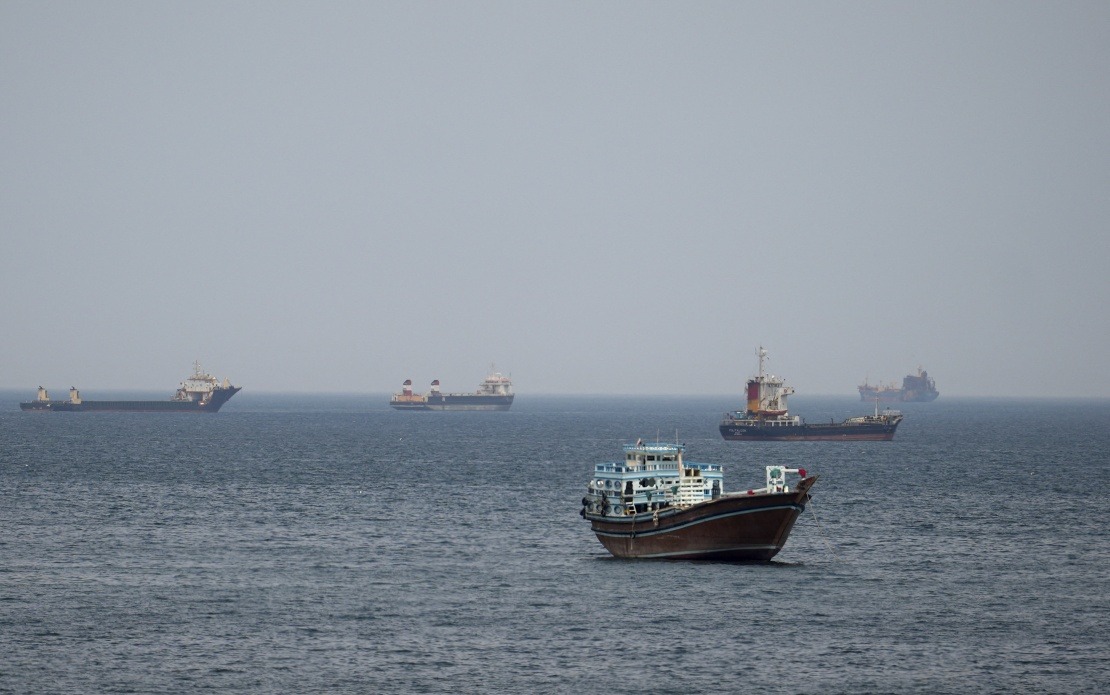
According to statements issued by Oman's official news agency, both Tehran and Muscat have emphasised the critical importance of leveraging the current diplomatic opening to advance peace initiatives and strengthen de-escalation mechanisms. The two governments stressed their shared commitment to maintaining regional security and ensuring unobstructed passage through the Strait of Hormuz and other international waterways. This language reflects broader concern among Gulf states about maritime freedom and the economic implications of any disruption to shipping through this chokepoint, through which approximately one-third of globally traded liquefied natural gas and roughly one-quarter of all oil shipments pass annually.
The emphasis on de-escalation and stability carries particular significance for Southeast Asian nations with substantial energy security stakes in Gulf stability. Malaysia, as an energy-dependent nation and active participant in regional maritime commerce, has a vested interest in ensuring the Strait of Hormuz remains secure and navigable. Tensions in the Persian Gulf directly affect energy prices and shipping costs that flow through to Malaysian importers and ultimately consumers. Any new framework governing Hormuz traffic could have implications for regional shipping routes and energy supply chains.
Qalibaf's presence in these negotiations marks a shift toward more formal institutional engagement, given his position as Speaker of Iran's parliament. Previous shuttle diplomacy was often conducted by foreign ministry officials, but bringing parliamentary leadership into the process suggests Iran views these discussions as potentially requiring domestic legislative endorsement. This indicates the talks may be moving toward substantive agreements rather than merely exploratory consultations.
During his Oman visit, Qalibaf is scheduled to meet with Omani Sultan Haitham bin Tariq to discuss broader bilateral cooperation and regional coordination mechanisms. These bilateral discussions will likely cover trade relations, maritime security cooperation, and mechanisms for enhanced consultation on regional developments. The inclusion of such high-level state engagement demonstrates how conversations about Hormuz management have expanded beyond narrow technical discussions about shipping corridors to encompass broader questions of regional cooperation and institutional frameworks.
The recent memorandum of understanding between Tehran and Washington, which these negotiations are meant to operationalise, suggests both powers recognise the need for structured dialogue on maritime security and regional stability. The involvement of Pakistani and Qatari mediators reflects the international dimension of Gulf stability concerns and the recognition that any sustainable framework must accommodate interests of multiple stakeholders beyond just the immediate regional players.
For Malaysian policymakers and observers, these developments warrant close monitoring. The trajectory of Iranian-American negotiations and the frameworks emerging from talks in Oman and elsewhere could influence shipping insurance costs, maritime security protocols, and regional stability metrics that directly affect Malaysian commerce and security interests. Should a new Hormuz management framework emerge from these discussions, it could establish precedents for how major powers and regional states cooperate on shared maritime challenges—a model potentially applicable to other strategic waterways in Southeast Asia.
The diplomatic intensity evident in Qalibaf's schedule—moving sequentially from Switzerland to Oman while coordinating with multiple regional and international partners—reflects the complexity of constructing viable agreements on contested maritime spaces. Success would require balancing the security concerns of Iran, the interests of Gulf Arab states, the shipping and energy security requirements of global consumers, and the mediation roles that countries like Oman and Pakistan can play. Whether these talks produce a durable framework or merely defer deeper structural challenges remains to be seen.