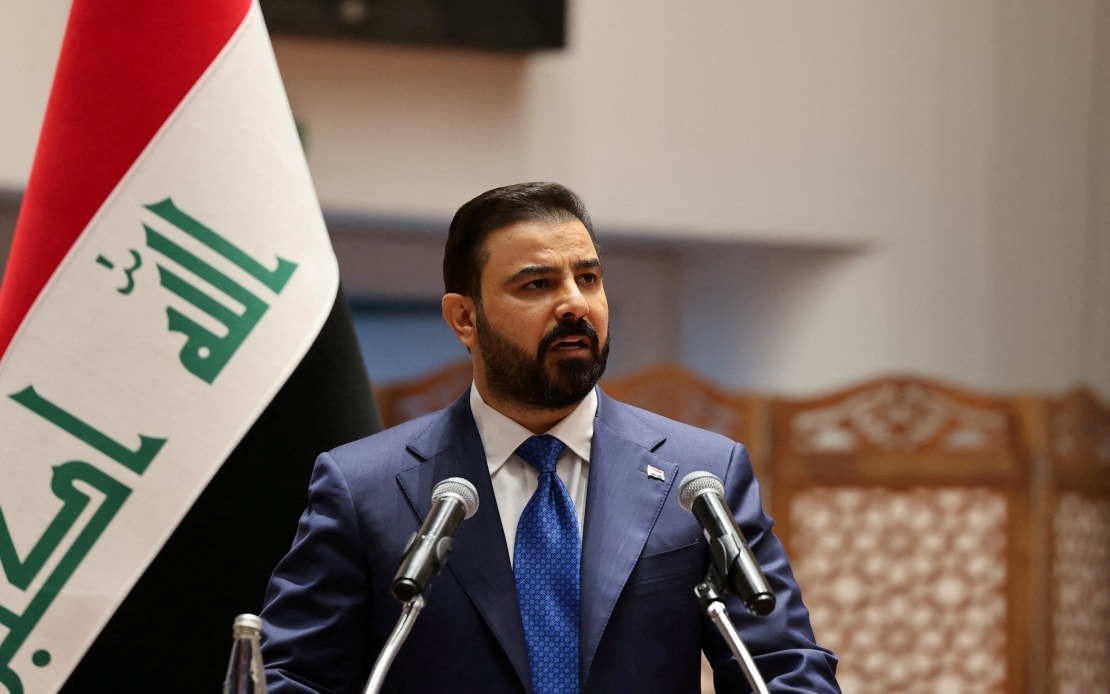
Iraq will not abandon its membership in OPEC despite ongoing discussions about production allocations, Prime Minister Ali Al-Zaidi declared on Thursday, signalling Baghdad's intention to work within the organisation's framework to secure more favourable terms. Speaking to broadcaster Al-Hadath, Al-Zaidi stressed that Iraq remains committed to the petroleum cartel even as it presses for what it considers an equitable production quota that acknowledges the nation's oil reserves and operational capacity.
The statement arrives amid a series of quota adjustments announced by OPEC in early June that saw multiple member states receive increased production allowances. Kuwait gained clearance to boost output by 16,000 barrels per day starting August, bringing its total to 2.66 million barrels daily, while Oman secured a 5,000 barrel daily increase to reach 836,000 barrels. Iraq itself received an allocation increase of 26,000 barrels per day, lifting its permissible output to 4.405 million barrels daily under the cartel's revised framework.
For regional observers, Iraq's explicit reaffirmation of OPEC loyalty carries particular significance given the nation's history of compliance challenges and production volatility. The country sits atop one of the world's largest proven oil reserves, yet political instability, infrastructure constraints, and security concerns have historically prevented it from fully capitalising on this natural advantage. By publicly committing to OPEC membership, Al-Zaidi demonstrates that Baghdad views the cartel as beneficial to its long-term energy strategy despite frustrations over production ceilings.
The Iraqi Oil Ministry had previously indicated that OPEC+ was undertaking a comprehensive assessment of Iraq's production capacities, according to spokesman Salim Al-Ruqabi in June. This technical evaluation represents a standard procedure within the cartel when member states seek quota revisions, allowing OPEC to validate claims about operational capabilities and potential output levels. For Iraq, such assessments theoretically provide an opportunity to document improvements in infrastructure recovery and capacity expansion following years of conflict and underinvestment.
Iraq's position within OPEC reflects broader dynamics shaping Middle Eastern oil politics. As the cartel navigates competing pressures from non-member producers, climate transition concerns, and fluctuating global demand, maintaining unity among existing members has become increasingly important. Iraq's explicit rejection of exit options reinforces the coalition, even as it negotiates internally for better terms that reflect contemporary production realities rather than historical quotas.
The timing of Al-Zaidi's statement suggests Baghdad is attempting to balance two objectives: demonstrating solidarity with OPEC to maintain good standing within the organisation, whilst simultaneously building pressure for quota adjustments that would allow greater revenue generation. This approach acknowledges that wholesale withdrawal would isolate Iraq from the cartel's decision-making processes and potentially invite retaliatory measures or marginalisation within future negotiations.
From a Southeast Asian perspective, Iraq's commitment to OPEC stability matters considerably for regional energy security and crude oil pricing. Malaysia and other ASEAN economies remain significant crude importers, and any disruption to OPEC's production coordination mechanisms could introduce additional volatility into already complex global energy markets. Iraq's continued participation strengthens OPEC's ability to maintain price stability, which has downstream benefits for energy-dependent economies across the region.
The incremental quota increases Iraq has received, while modest in percentage terms, represent recognition by OPEC that the nation possesses untapped productive capacity. The 26,000 barrel daily increase approved in June signals that the cartel acknowledges Iraq's potential for higher output, yet Baghdad's public emphasis on seeking a "fair" quota suggests this adjustment falls short of what policymakers in Baghdad believe the country should receive based on technical assessments and reserve volumes.
Longer-term questions persist about whether Iraq can reliably sustain production at elevated levels given security challenges, political fragmentation, and infrastructure requirements. The cartel's willingness to increase Iraq's quota despite these uncertainties reflects confidence in gradual capacity improvements and a recognition that Iraq's vast reserves remain strategically important to OPEC's long-term relevance in global energy markets. For Al-Zaidi, maintaining OPEC membership while advocating for revised quotas represents a pragmatic middle path that preserves Baghdad's voice in international energy governance.

