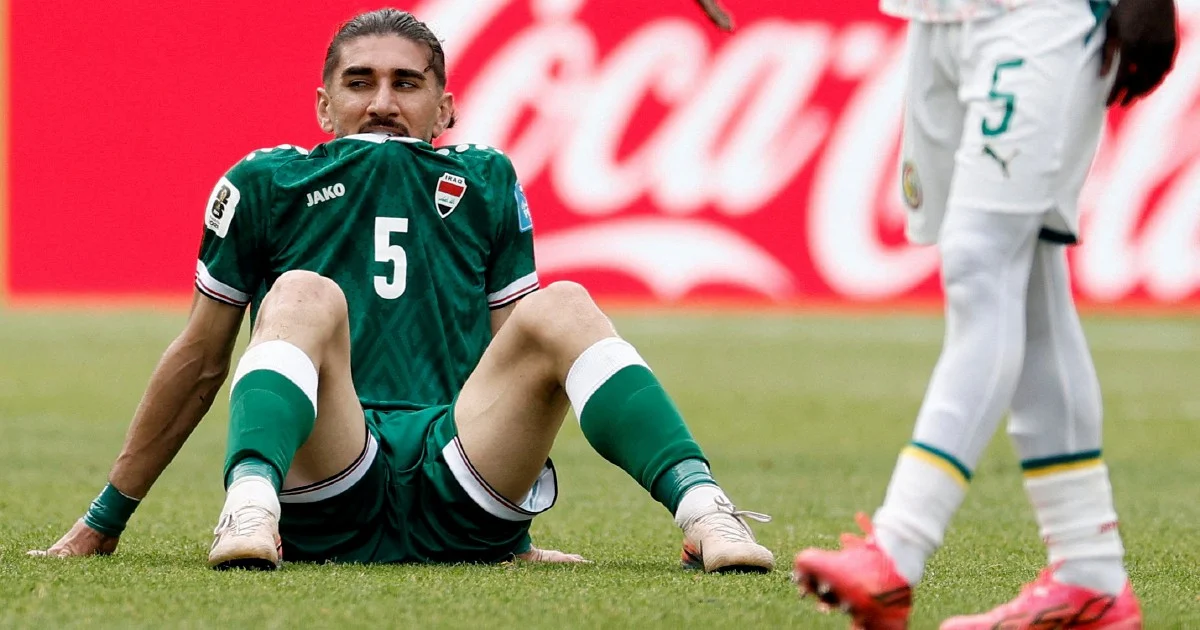
Iraq's Olympic Committee announced on Monday that it will undertake a thorough investigation into the national football team's underwhelming performance at the recent World Cup, marking a formal acknowledgment of the squad's failure to meet expectations on the global stage. The inquiry represents an institutional response to what sports officials have characterized as a deeply troubling campaign, with plans to establish concrete measures aimed at preventing similar disappointments in upcoming international competitions.
The investigation will likely examine multiple dimensions of Iraq's World Cup participation, from player selection and coaching strategy to tactical preparation and the administrative structures supporting the team. This multi-layered approach reflects growing recognition within Iraqi football circles that addressing surface-level issues alone will be insufficient to return the national side to competitive prominence. The Olympic Committee's decision to launch such a probe signals that officials view the World Cup failure not as an isolated setback but as symptomatic of broader systemic weaknesses requiring fundamental restructuring.
For Malaysian observers, Iraq's situation offers instructive parallels to persistent challenges facing regional football programs. Like many Asian nations, Iraq has struggled to consistently perform at the World Cup stage despite possessing significant playing talent and historical achievements in regional competitions. The willingness of Iraqi authorities to conduct rigorous self-examination rather than deflect blame demonstrates a professional approach that contrasts with the dismissive responses sometimes seen in other footballing nations.
The broader context of Iraqi football is crucial to understanding this moment. The country's football infrastructure has been periodically disrupted by political instability and conflict, making sustained development of player pathways and coaching standards significantly more difficult than in nations with stable institutional frameworks. Yet these challenges do not fully explain recent World Cup disappointments, suggesting that administrative and strategic decisions within Iraqi football governance merit serious scrutiny.
The Olympic Committee's announced intention to "outline measures" for future tournaments indicates that the investigation will move beyond diagnostic analysis into concrete reform proposals. These reforms could encompass changes to player development systems, modifications to coaching recruitment processes, alterations to training methodologies, or restructuring of the domestic league to better prepare players for international competition. The specific nature of these measures will only emerge as the investigation progresses.
International football development experts have long emphasized that tournament disappointments often reflect years of accumulated underinvestment in grassroots development and player education. Iraqi officials would be wise to examine whether financial resources have been adequately directed toward youth academies, whether coaching education programs meet international standards, and whether the domestic league provides sufficient competitive intensity to prepare players for World Cup-level opposition.
The World Cup's unique status as global football's pinnacle competition means that performance at this tournament carries disproportionate significance for national associations, media coverage, and public expectations. A single disappointing campaign can create political pressure that sometimes leads to hasty decisions or reactive rather than strategic reforms. Iraq's announcement of a deliberate investigation suggests officials are attempting to avoid this trap by committing to structured analysis before implementing major changes.
Regional football observers will be watching closely to assess whether Iraqi authorities follow through on these pledges with meaningful action. The credibility of such investigations ultimately depends not on the conclusions reached but on whether findings translate into tangible institutional reform and adequate resource allocation. Several Asian national associations have launched inquiries after tournament failures, only to see recommended changes either inadequately funded or inconsistently implemented.
Stakeholders in Iraqi football, including players, coaches, and domestic clubs, will have heightened interest in the investigation's findings. Any overhaul of national team structures could have ripple effects throughout the country's football ecosystem, potentially influencing coaching careers, player development opportunities, and the strategic direction of domestic clubs preparing players for international selection.
The timeline for completing this investigation and implementing recommendations remains unclear, but the Olympic Committee's initiative represents a necessary step toward understanding what went wrong at the World Cup and charting a more successful course forward. Whether Iraq can translate this organizational response into measurable improvements in player development, tactical sophistication, and competitive performance will ultimately determine whether this investigation proves catalytic or merely ceremonial.

