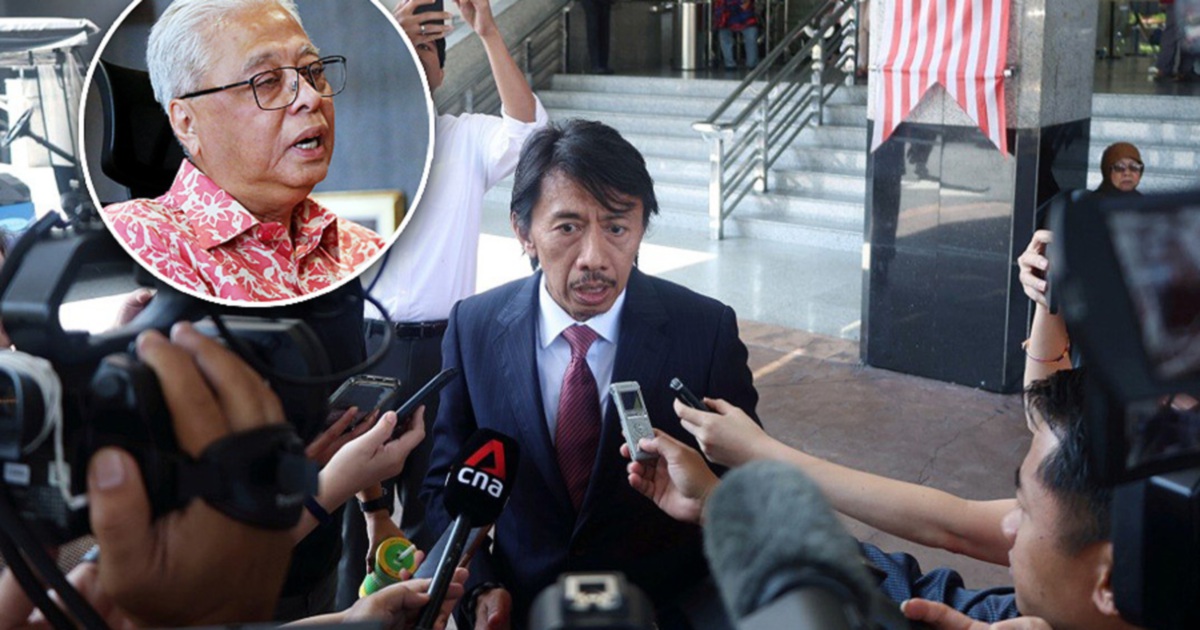
Datuk Seri Ismail Sabri Yaakob, who served as Malaysia's 32nd Prime Minister from August 2021 to November 2022, shows no signs of backing down from his legal battle as he confronts charges under the Malaysian Anti-Corruption Commission (MACC) Act. The former federal lawmaker's resolve to contest the allegations comes at a time when his personal health situation has presented an additional burden, yet he remains focused on his defence strategy in the weeks ahead.
The upcoming court proceedings represent a significant moment in Malaysian political accountability, coming as public memory of his brief tenure remains relatively fresh. During his time as Prime Minister, Ismail Sabri's administration dealt with persistent political instability, a fractious governing coalition, and the ongoing fallout from the COVID-19 pandemic's economic impact on the nation. His relatively short stint in office made him one of Malaysia's less durable modern premiers, a context that adds complexity to the current legal circumstances he faces.
Facing charges under the MACC Act places Ismail Sabri alongside a growing list of Malaysian political figures who have encountered corruption-related proceedings. The country has seen numerous high-profile cases in recent years, from the 1MDB scandal that implicated former Prime Minister Najib Razak to various other investigations involving sitting and former ministers. These proceedings have become an increasingly visible feature of Malaysia's political landscape, raising questions about governance standards across the political spectrum.
The health setback mentioned by observers adds a human dimension to what might otherwise appear as a straightforward legal matter. Managing serious medical issues while simultaneously preparing for court appearances and media scrutiny places considerable strain on any individual. Ismail Sabri's determination to proceed despite these personal challenges suggests either remarkable resilience or a judgment that his reputation requires immediate and vigorous defence, regardless of the timing or physical toll.
For the Malaysian public and international observers, the case serves as a barometer of the country's commitment to anti-corruption enforcement. Whether the charges represent a genuine pursuit of accountability or reflect political dynamics will likely shape public perception for years to come. The MACC, as the primary anti-corruption agency, faces continued scrutiny over the consistency and impartiality of its investigations and prosecutions across Malaysia's political spectrum.
Ismail Sabri's decision to contest the allegations rather than seek a negotiated settlement or early plea suggests his legal team believes the evidence may be contestable. This approach differs from some high-profile political figures who have chosen to accept charges or pursue settlement agreements. The former Prime Minister's stated commitment to clearing his name indicates he views the charges as fundamentally unfounded, a position that will either be vindicated or contradicted when evidence is presented in court.
The timing of these proceedings also carries political significance for the United Malays National Organisation (UMNO), the party Ismail Sabri has represented throughout his political career. The party has been navigating its own challenges following its role in recent political formations and the shifting dynamics of Malaysian coalition politics. How UMNO responds to and supports Ismail Sabri during this legal process may influence both party unity and broader perception of UMNO's relationship with anti-corruption enforcement.
For Malaysian voters and citizens, the case exemplifies ongoing questions about political accountability and the rule of law. Malaysia's efforts to strengthen institutions and combat corruption have been highlighted as important governance objectives, yet their implementation across political lines remains subject to scrutiny. The court proceedings will provide an opportunity to observe how the legal system handles allegations against a former leader of the country.
The coming weeks will determine whether Ismail Sabri can mount an effective legal defence while managing his health situation. His determination to proceed suggests he views vindication as essential to his political legacy and personal honour. Whatever the outcome, the case will add another chapter to Malaysia's evolving record on political accountability and the balance between enforcement and fairness in the anti-corruption framework.

