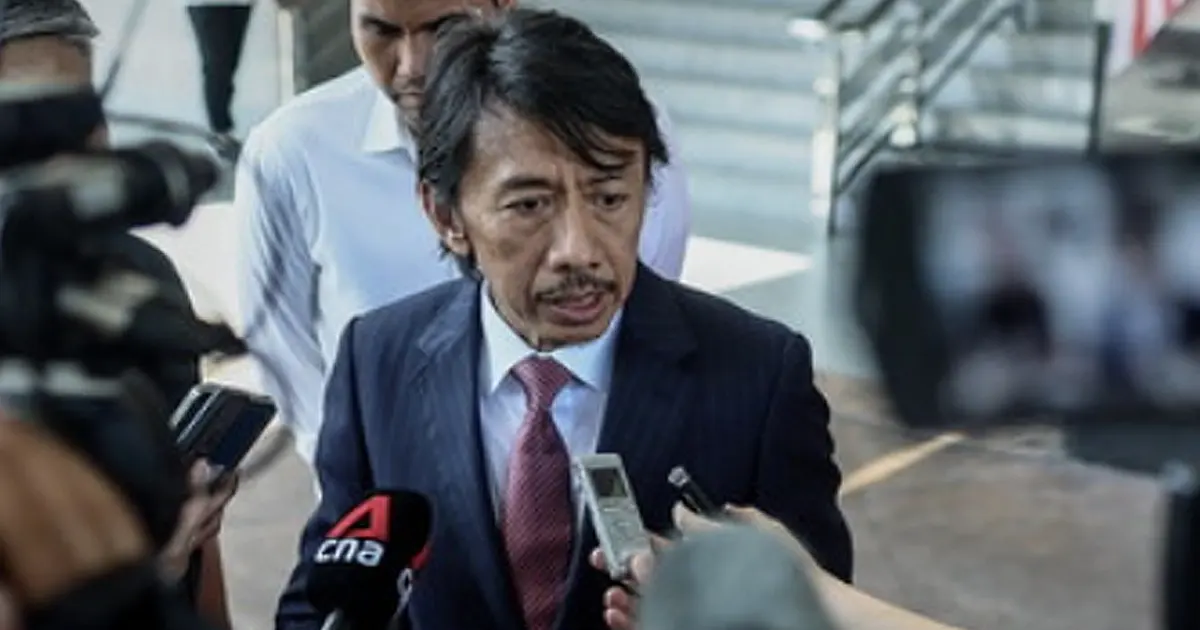
Former Prime Minister Ismail Sabri Yaakob has received a pacemaker implant following a medical procedure performed this afternoon at the National Heart Institute in Kuala Lumpur. The device was installed to manage an abnormal heart rhythm condition affecting the senior political figure. Medical professionals overseeing his care have prescribed a recovery period as part of the post-operative protocol.
The implantation of a pacemaker represents a significant intervention for individuals experiencing arrhythmias, a condition characterised by irregular heartbeats that can range from asymptomatic to potentially life-threatening. In Malaysia's healthcare landscape, the National Heart Institute stands as one of the country's leading cardiac treatment facilities, offering specialist interventions for complex cardiac conditions. The decision to pursue this surgical approach indicates that Ismail Sabri's condition warranted active medical management beyond pharmaceutical options.
Pacemakers function by delivering electrical impulses to the heart muscle, thereby regulating its rhythm and ensuring adequate blood circulation throughout the body. Modern pacemaker technology has evolved considerably, with contemporary devices incorporating sophisticated monitoring capabilities and remote surveillance features that allow cardiologists to assess patient status without requiring frequent in-person visits. For individuals with compromised cardiac rhythm, these devices can substantially improve quality of life and reduce health complications associated with untreated arrhythmias.
The timing of Ismail Sabri's procedure comes as Malaysian politics continues navigating significant transitions. The former premier, who served as Prime Minister from August 2021 to September 2023, remains an active figure within the United Malays National Organisation and broader parliamentary politics. His health status carries implications for political positioning and governance capacity, particularly given the prominent role senior statesmen continue occupying within Malaysia's political architecture.
Abdominal heart conditions in the upper echelons of political leadership warrant public attention not merely from a health interest perspective, but because they directly influence decision-making capacity and political availability. Malaysia has experienced considerable governmental transitions over recent years, with leadership changes stemming from various constitutional and political dynamics. Any health-related developments affecting senior politicians inevitably ripple through political calculations and strategic planning within respective parties and coalitions.
The National Heart Institute, where the procedure occurred, has developed considerable expertise in managing complex cardiac interventions. As a specialised cardiac centre within Malaysia's public healthcare infrastructure, the institute serves both Malaysian citizens and regional patients seeking advanced cardiac treatment. The choice to perform Ismail Sabri's procedure at this institution reflects confidence in its technical capabilities and facilities.
Post-operative recovery following pacemaker implantation typically involves several weeks of modified activity, during which patients allow the surgical incision to heal properly and permit the device to stabilise within the cardiac system. Medical guidance recommends avoiding strenuous physical activity and heavy lifting during this period, while gradually resuming normal activities as healing progresses. The prescribed rest period for Ismail Sabri aligns with standard post-operative care protocols following such procedures.
For political observers monitoring Malaysia's governance landscape, Ismail Sabri's recovery trajectory will merit ongoing attention. The former premier commands considerable influence within UMNO circles and participates actively in parliamentary proceedings and party strategy discussions. Extended periods of reduced activity or health-related limitations could influence his political engagement levels and capacity to undertake travel and campaign commitments.
Concerns surrounding senior political figures' health remain pertinent in Malaysian discourse, given the nation's constitutional framework and succession planning mechanisms. While modern medical technology has rendered many previously debilitating cardiac conditions manageable, the procedural requirements and recovery demands still necessitate temporary withdrawal from demanding schedules. This reality shapes the broader political ecosystem, particularly regarding leadership availability during critical periods.
The successful implantation of the pacemaker device represents an important health intervention that should substantially improve Ismail Sabri's cardiac function and quality of life moving forward. Advances in cardiac medicine have transformed outcomes for individuals with arrhythmias, enabling them to maintain productive engagement with their professional and public responsibilities following appropriate recovery periods. His medical team's recommendation for rest reflects best-practice cardiology standards designed to ensure optimal device function and comprehensive healing.
As Malaysia continues managing its complex political dynamics and governance challenges, the health status of prominent political figures remains a consideration within broader national discourse. The successful completion of Ismail Sabri's procedure at the National Heart Institute demonstrates the capability of Malaysian healthcare institutions to deliver world-standard cardiac care to individuals requiring specialist intervention. His recovery period will provide an opportunity for the former premier to focus on health consolidation while his medical team ensures the pacemaker integrates properly with his cardiac system.

