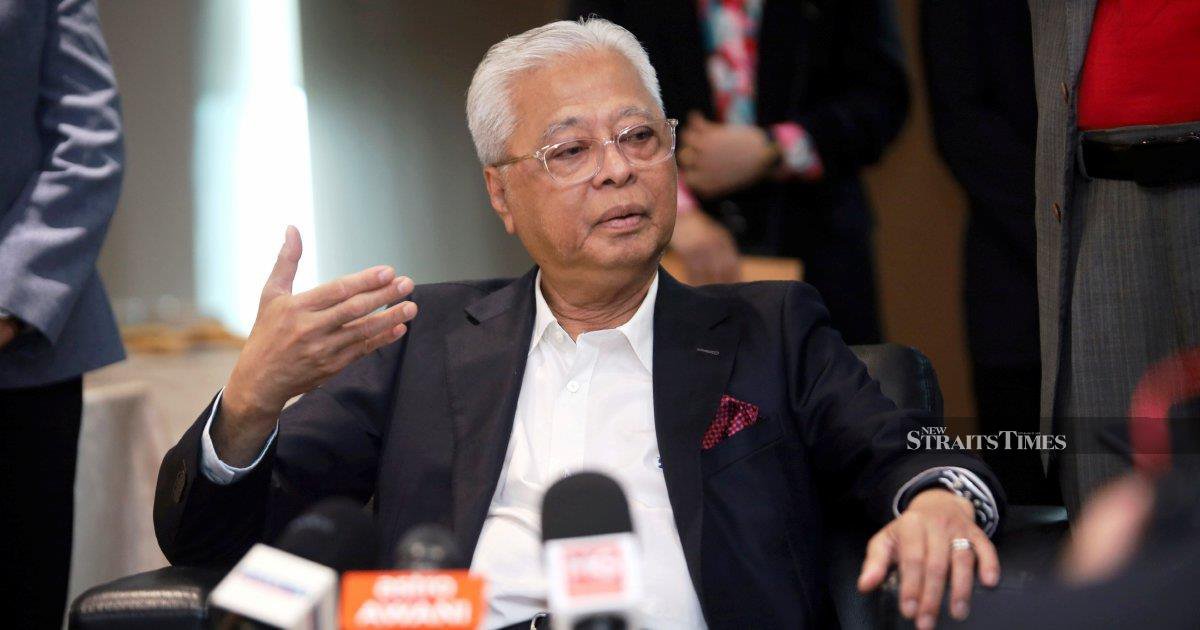
The legal proceedings against former prime minister Datuk Seri Ismail Sabri Yaakob have been put on hold, with the court rescheduling his charge reading and plea recording to August 27 following a planned medical procedure. The deferment comes as the former federal leader prepares to undergo pacemaker implantation, a surgical intervention that typically requires post-operative recovery time before an individual can resume normal activities including court appearances.
This procedural adjustment reflects Malaysia's judicial approach to accommodating significant health-related matters affecting defendants. Pacemaker surgery, while increasingly routine, remains a substantial medical intervention that necessitates careful post-operative monitoring and recovery periods. The Malaysian courts have granted time for Ismail Sabri to complete the procedure and recover sufficiently before facing the formal proceedings ahead.
The decision to defer the hearing underscores the complex intersection between the legal system and personal health circumstances facing high-profile figures. Ismail Sabri, who served as Prime Minister from August 2021 to November 2022, has maintained a public presence despite ongoing legal matters. The postponement ensures he can address his immediate health concerns without the added stress of court proceedings during a critical period of medical treatment.
Pacemaker implantation is typically conducted when patients experience irregular heartbeats or other cardiac conditions requiring electronic regulation of the heart's rhythm. The procedure usually takes between two to three hours, though recovery and adjustment periods extend considerably longer. Doctors generally recommend patients avoid strenuous activity for several weeks following implantation, during which time the device is monitored and adjusted to ensure proper functioning.
The August 27 date now provides a realistic timeline for Ismail Sabri to undergo the surgical procedure, complete initial recovery, and return to court proceedings with appropriate medical clearance. This approach allows the judicial process to move forward while respecting legitimate health considerations that could otherwise compromise the fairness of proceedings or place undue physical strain on the defendant.
Ismail Sabri's legal journey has drawn considerable public attention as Malaysia navigates cases involving senior political figures. The former premier's situation is not unique in Malaysian jurisprudence, where previous cases involving prominent individuals have similarly accommodated health-related necessities. The courts have historically balanced the need for judicial efficiency with recognition that serious medical conditions require appropriate handling.
The postponement reflects broader questions about how legal systems manage proceedings involving ageing or infirm defendants. Malaysia's approach, consistent with common law principles, prioritises both the integrity of the legal process and the fundamental welfare of individuals subject to court jurisdiction. A defendant unable to fully participate in proceedings due to active medical crises could face arguments that proceedings were conducted unfairly.
For Malaysian observers, this case illustrates how the judiciary responds to real-world complications affecting high-profile defendants. The scheduling decision demonstrates that even individuals facing serious legal matters receive consideration when facing genuine health emergencies. The August 27 hearing date now appears firmly scheduled, allowing both the prosecution and defence adequate time to prepare for the charge reading and plea recording phases.
The pacemaker procedure will likely occupy Ismail Sabri's attention for several weeks. Post-operative care typically includes restrictions on upper body movement, monitoring for complications, and device programming adjustments. By late August, he should have achieved sufficient recovery to participate meaningfully in court proceedings, with sufficient distance from surgery that immediate post-operative concerns have been addressed.
This legal development carries implications beyond the immediate case, signalling how Malaysian courts balance procedural demands with recognition of legitimate health circumstances. As Malaysia's population ages and more senior citizens appear in legal proceedings, such accommodations may become increasingly relevant. The August 27 hearing will mark a significant milestone in this particular case, resuming the formal judicial process once Ismail Sabri has addressed his pressing health concerns.

