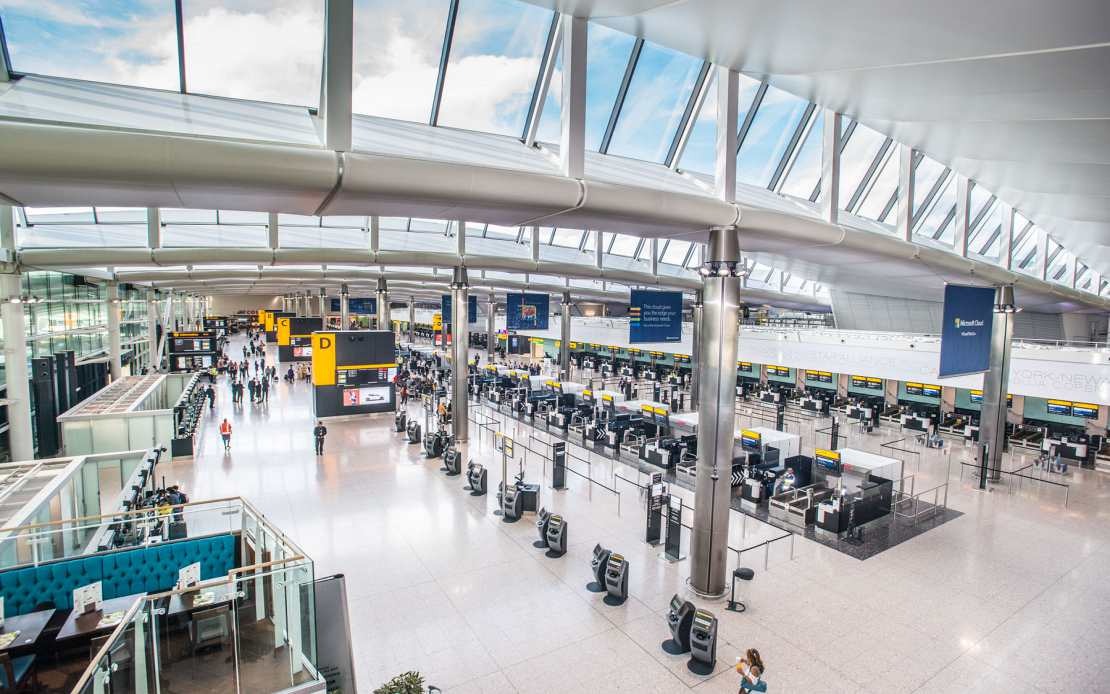
Istanbul airport has regained the title of Europe's busiest aviation hub after Heathrow's dominance slipped in July, with fresh passenger figures intensifying pressure on the British government to approve a long-contested third runway expansion. The Turkish gateway handled 8.15 million travellers last month while London's Heathrow processed 7.86 million, marking a decisive reversal of fortunes for an airport that held the top position continuously from 1996 until the pandemic struck in 2020.
The decline carries particular weight given Heathrow's recent recovery. After losing its crown during coronavirus restrictions, the west London airport reclaimed European supremacy in 2023 and had maintained that standing until now. Yet this latest slip demonstrates how swiftly market dynamics can shift in global aviation. Istanbul's growth trajectory proved decisive, with the Turkish hub expanding its passenger numbers by 2.3 per cent year-on-year, whilst Heathrow contracted by 1.5 per cent during the same comparison period, suggesting divergent recovery patterns among Europe's premier gateways.
The underlying drivers of this reversal reveal broader geopolitical and regional tensions affecting aviation networks. Heathrow's West Asia routes experienced a particularly sharp downturn, with traffic on these corridors plummeting 20.2 per cent year-on-year in July. This deterioration directly reflects the escalating United States-Iran conflict and regional instability, disrupting traditional passenger flows through London. Istanbul, by contrast, benefits from its geographic positioning as a cultural and commercial bridge between Europe and Asia, offering carriers alternative routing options that bypass conflict zones affecting UK operations.
Heathrow's operational constraints sharply underline the urgency of its expansion case. The airport continues pushing its two existing runways to near-maximum capacity, creating a bottleneck that limits growth precisely when market share is slipping to competitors. This structural limitation has prompted airport leadership to declare that "the case for expansion has never been clearer," arguing that capacity constraints prevent Heathrow from capitalising on demand that competitors like Istanbul can readily absorb. The airport's owners have developed proposals that would enable handling 150 million passengers annually, more than double current throughput, representing a transformative upgrade to British aviation infrastructure.
New airline announcements during July offered some positive momentum despite the overall decline. ITA Airways commenced Italian services, Alaska Airlines launched transatlantic connections, and Saudi Arabia's Riyadh Air introduced regional flights, each representing incremental network strengthening. These additions suggest persistent market demand for Heathrow connectivity, though the airport's leadership emphasises that meaningful growth requires resolving capacity constraints. Peak traffic on July 19 reached 267,000 passengers as school holidays began, demonstrating the airport's ability to attract travellers when infrastructure permits.
The political machinery around expansion has accelerated considerably. Transport Secretary Heidi Alexander initiated a formal consultation process in June examining conditions for a third runway project through a renamed national policy statement. This procedural step represents substantive progress toward what has been a contentious infrastructure debate. Former Chancellor Rachel Reeves previously committed to getting "spades in the ground" during the current parliamentary session, with completion targeted for 2035, signalling government intent to move beyond consultation toward implementation.
Yet political complications persist, with current Prime Minister Andy Burnham representing a potential obstacle. Burnham, who previously held authority to dismiss Reeves from her position, has articulated reservations about expansion, contending that the project diverts critically needed infrastructure investment away from economically struggling northern regions whilst concentrating further development in London. This north-south tension reflects deeper anxieties about regional inequality and resource allocation across the United Kingdom, making Heathrow expansion a proxy for broader questions about economic geography and development priorities.
For Malaysian and Southeast Asian readers, this development carries implications for regional aviation connectivity. Heathrow remains a crucial gateway for travellers and cargo between Southeast Asia and North America, and constrained capacity ultimately affects flight frequencies, pricing, and routing options for regional carriers and passengers. An Istanbul ascendancy could redirect traffic through alternative hubs, potentially affecting the competitive positioning of airlines serving Malaysia and neighbouring markets. The structural capacity limitations at Heathrow create opportunities for rival hubs to capture incremental growth.
The competitive dynamics illustrate how rapidly aviation leadership can shift when infrastructure cannot keep pace with demand. Istanbul's expansion over recent years has systematically enhanced its position as a connecting point for Asia-Europe traffic, investment that is now yielding measurable market share gains. Heathrow's inability to expand constrains its ability to defend position, even as it remains an established premium gateway. Airport chief executive Thomas Woldbye characterised summer as "off to a flying start" whilst pushing for expansion to secure future competitiveness, framing infrastructure investment as essential to maintaining the UK's economic standing within European aviation.
The July figures suggest a pivotal moment. For nearly a quarter-century, Heathrow's position as Europe's dominant hub seemed almost inevitable, anchored to London's financial importance and Britain's historical aviation dominance. Yet competing hubs have invested aggressively whilst Heathrow has remained operationally flat, constrained by runway capacity. Istanbul's momentary overtaking may prove temporary, dependent on geopolitical variables, but it underscores a broader vulnerability: without expansion approval and implementation, Heathrow risks becoming a second-tier European hub within a decade, ceding traffic to better-equipped competitors.
The resolution of this debate will depend on political will to prioritise long-term aviation infrastructure despite short-term regional grievances. Approval and construction timelines extending to 2035 acknowledge the magnitude of the undertaking, though government commitment faces persistent scepticism. Istanbul's July achievement provides ammunition for expansion proponents to argue that delay carries real costs—not merely hypothetical future capacity concerns but immediate competitive losses to rivals with functioning, modernised infrastructure.

