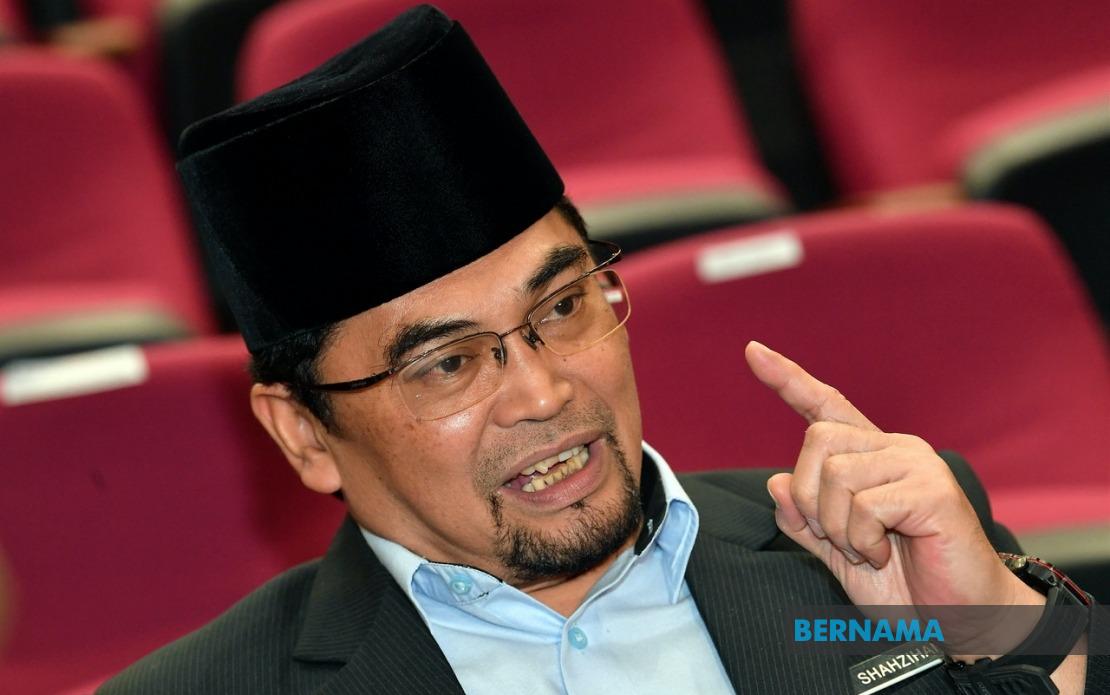
The Selangor Islamic Religious Department (JAIS) is moving to substantially fortify the vetting processes for educators working in religious schools across the state, driven by growing concerns over misconduct and the need to establish more robust protective frameworks. Speaking after the closing ceremony of Selangor's preparatory course for overseas-bound students headed to the Middle East, JAIS director Datuk Mohd Shahzihan Ahmad outlined a comprehensive review encompassing multiple layers of institutional safeguarding currently being developed in consultation with the School Registration Committee.
At the heart of the proposed measures lies a significantly more rigorous teacher screening protocol that would represent a substantial shift in hiring practices within the religious education sector. Datuk Mohd Shahzihan indicated that mandatory police clearance certificates for all educators working in these institutions now feature prominently among the proposals under active discussion. This approach, common in mainstream schools across many developed nations, has typically been less systematically applied across private religious schools in Malaysia, creating a potential oversight in background verification procedures.
The director emphasised that security screening mechanisms require careful coordination with law enforcement agencies to ensure effective implementation across Selangor's religious school network. He stated: "There is a possibility that we will require all teachers to obtain a police clearance. There needs to be security screening, and we will discuss with the police how to implement the screening." This acknowledgement of the need for police collaboration underscores the recognition that such vetting cannot occur in isolation but demands integration with existing law enforcement databases and procedures.
Beyond recruitment safeguards, JAIS is simultaneously developing detailed guidelines governing the nature and context of student-teacher interactions within religious educational settings. These proposed standards represent an attempt to codify appropriate professional boundaries and eliminate opportunities for unsupervised or inappropriate contact that might facilitate misconduct. Datuk Mohd Shahzihan noted that stricter physical and temporal segregation between students and staff is being considered as a foundational element of these new protocols.
The envisioned guidelines specifically address patterns of behaviour that research and institutional experience suggest can create environments conducive to abuse. Teachers and administrators would be expected to avoid providing preferential treatment to individual students, eschew meetings during unusual hours when supervision is minimal, and refrain from conducting memorisation sessions or other instructional activities during periods of reduced oversight. "Teachers, administrators and other students must not do anything that should be avoided, such as giving special treatment or meeting at unusual hours. They should not hold meetings or memorisation sessions at quiet times or when there is no supervision," Datuk Mohd Shahzihan explained.
These institutional interventions arrive in the context of reported cases involving alleged sexual assault by an educator against a student within Selangor's religious school sector, cases that have been escalated to police investigation following state government referral. Such incidents have catalysed urgent action within regulatory bodies responsible for overseeing religious educational institutions, prompting reflection on whether existing frameworks adequately protect vulnerable populations in these settings.
The timing and scope of JAIS's initiatives reflect broader regional and global trends in educational safeguarding, where institutions increasingly recognise that prevention requires multifaceted approaches combining background verification, environmental design, clear protocols, and accountability mechanisms. Malaysia's growing discourse around child safety and institutional responsibility has created political and social pressure for religious education providers to demonstrate concrete commitment to protecting students.
For parents evaluating religious schools in Selangor and neighbouring regions, these developments signal movement toward greater transparency and standardised safeguarding practices, though implementation timelines and enforcement mechanisms remain under discussion. The involvement of the School Registration Committee suggests these measures may eventually acquire regulatory force rather than remaining merely advisory guidelines.
The police clearance requirement, should it be implemented comprehensively, would represent one of Malaysia's more significant recent policy shifts in religious education oversight. Currently, religious schools operate under different regulatory umbrellas than government institutions, sometimes with less stringent vetting requirements despite serving similarly vulnerable student populations. Alignment with police background-checking procedures could substantially narrow this gap.
Stakeholders including parents, student welfare advocates, and educators themselves will be monitoring how rapidly these discussions translate into binding policies and what resources JAIS allocates to ensuring compliance across numerous institutions. The success of any safeguarding framework ultimately depends not merely on policy design but on consistent implementation, regular auditing, and institutional culture shifts that prioritise student protection above institutional reputation preservation.

