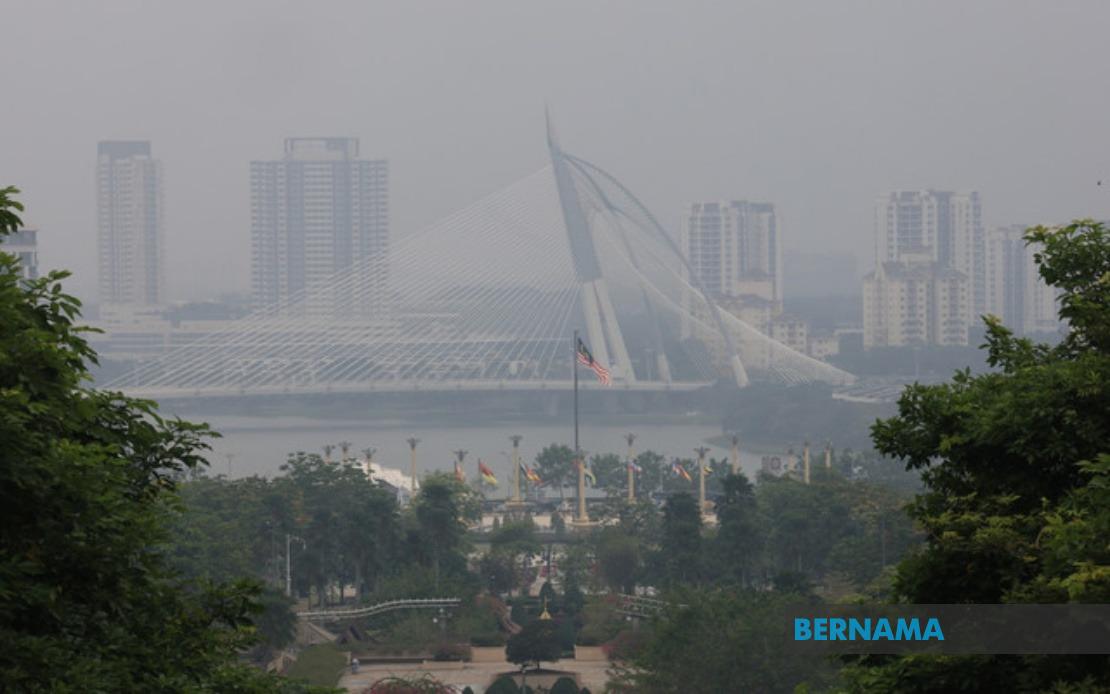
The Department of Islamic Development Malaysia (JAKIM) is mobilising religious institutions across the country to hold Solat Hajat—a special prayer of needs traditionally performed during times of hardship—as recurring haze continues to affect multiple Malaysian regions. The evening prayers will be conducted after Maghrib at three prominent mosques under JAKIM's jurisdiction: the National Mosque in Kuala Lumpur, Putra Mosque in Putrajaya, and Tuanku Mizan Zainal Abidin Mosque, also in the federal territory. This coordinated spiritual response represents an official acknowledgement of the severity of the current air quality crisis and reflects the integration of religious observance with national environmental challenges.
JAKIM director-general Datuk Dr Sirajuddin Suhaimee framed the initiative as an opportunity for Muslims nationwide to unite in prayer, specifically requesting divine intervention for the protection, health, safety and restoration of peace during this environmental trial. His statement emphasised the importance of collective supplication, inviting the broader Muslim community to participate in seeking Allah's mercy and intervention. The invocation of spiritual resources during environmental crises is not uncommon in Islamic-majority nations, where religious and secular responses to national challenges often operate in parallel frameworks. This particular initiative demonstrates how Malaysia's religious authorities view their role as encompassing both spiritual guidance and acknowledgement of contemporary crises affecting citizens' daily lives.
The prayers follow an official decree from the Sultan of Pahang, Al-Sultan Abdullah Ri'ayatuddin Al-Mustafa Billah Shah, who called upon all Malaysians to engage in prayer and seek Allah's assistance for those affected by the haze. Additionally, Minister in the Prime Minister's Department (Religious Affairs) Dr Zulkifli Hasan had previously urged such coordinated religious efforts, signalling high-level government backing for this spiritual mobilisation. This convergence of royal, ministerial and departmental support underscores the cross-institutional nature of Malaysia's response to the haze crisis, indicating that environmental pollution has become sufficiently acute to warrant intervention at the highest levels of both religious and political authority.
The timing of these prayers reflects an urgent atmospheric situation. As of 8 am on the announcement date, air quality monitoring had recorded unhealthy Air Pollutant Index (API) readings across 17 distinct areas spanning six Malaysian states. Sarawak, Selangor, Negeri Sembilan, Johor, Melaka and Perak all reported compromised air quality, with the federal territories of Kuala Lumpur and Putrajaya similarly affected. This geographical spread, covering both peninsular and East Malaysian regions, demonstrates the transnational and pervasive nature of the haze phenomenon, which periodically affects the region as a consequence of transboundary atmospheric circulation patterns.
The haze crisis presents particular challenges for Malaysia's urban populations and vulnerable demographics. Prolonged exposure to unhealthy API levels carries documented health risks, particularly for children, the elderly, and individuals with respiratory or cardiovascular conditions. Public health authorities typically recommend reduced outdoor activity during such episodes, while schools and workplaces may implement modified schedules. The economic implications extend beyond health costs to include reduced productivity, tourism disruptions, and increased demand on healthcare systems. For a nation with significant manufacturing and services sectors dependent on normal operational conditions, extended haze episodes represent both direct economic costs and logistical complications.
The recurrence of haze episodes in Southeast Asia remains a persistent regional challenge, typically intensifying during particular seasons when atmospheric conditions favour transboundary smoke transport. Originating substantially from agricultural burning and forest clearance activities in neighbouring regions, the haze represents a shared environmental burden that no single nation can entirely resolve through unilateral action. Malaysia's historical responses have combined domestic air quality management, diplomatic engagement with source countries, and public health advisories. The inclusion of religious institutions in the response framework adds a distinctive Malaysian dimension, leveraging cultural and spiritual infrastructure as part of broader crisis management.
JAKIM's involvement in organising these prayers reflects the significant role Islamic institutions play in Malaysian civil society. Beyond purely religious functions, mosques serve as community gathering spaces, information dissemination hubs, and platforms for collective action during national challenges. By formalising Solat Hajat observances across major mosques, JAKIM provides a structured mechanism through which citizens can express shared concern while engaging their spiritual traditions. This approach acknowledges that environmental crises affect populations not merely as individuals but as communities bound by cultural and religious frameworks.
For Malaysian Muslims, Solat Hajat represents a recognised religious practice during periods of adversity, with historical precedent spanning centuries. The invocation of this specific prayer form during the haze crisis connects contemporary environmental challenges to traditional Islamic responses to communal hardship. This framing potentially resonates more deeply with observant populations than purely technical discussions of air quality indices or pollution control mechanisms. By positioning environmental protection within a religious context, authorities encourage spiritual and practical engagement with the crisis.
The practical implications of these organised prayers extend beyond the immediate spiritual dimension. The gathering of substantial numbers at major mosques will likely generate public attention and media coverage, reinforcing awareness of the haze severity. Discussion among worshippers may facilitate information sharing about health precautions, air quality updates, and practical measures for personal protection. The visibility of institutional religious engagement may also communicate to international observers that Malaysia recognises the crisis as sufficiently serious to warrant mobilising all available social infrastructure.
Looking forward, the effectiveness of such religious-institutional responses depends partly on complementary action from environmental and public health agencies. While Solat Hajat provides spiritual comfort and community cohesion, addressing haze fundamentally requires diplomatic pressure on regional partners regarding agricultural burning practices, investment in air quality monitoring infrastructure, and public health measures protecting vulnerable populations. The parallel engagement of religious, political and administrative institutions suggests Malaysian policymakers recognise that comprehensive crisis management requires multifaceted approaches engaging different dimensions of society.
The haze situation also underscores persistent challenges in regional environmental governance. Despite decades of transboundary pollution events, concrete mechanisms for preventing agricultural burning in source regions remain limited. Malaysia and other affected nations have pursued diplomatic channels, but enforcement mechanisms remain weak. The recurrence of these episodes—and the need for spiritual mobilisation during each instance—illustrates the gap between aspiration and implementation in regional environmental cooperation. Sustained technical investment in alternative agricultural practices and stricter source-country enforcement represent necessary long-term solutions.

