A fatal collision outside a major shopping destination in Hyderabad has thrust a prominent political family into the spotlight and reignited debates over equity in the Indian justice system. Lingamaneni Sanjush, the 21-year-old son of Jana Sena Party MP Lingamaneni Ramesh, has been granted station bail following the death of Bharati Mukhi, a 26-year-old employee at Lifestyle store in Inorbit Mall, in an accident involving an Aston Martin luxury vehicle on August 16.
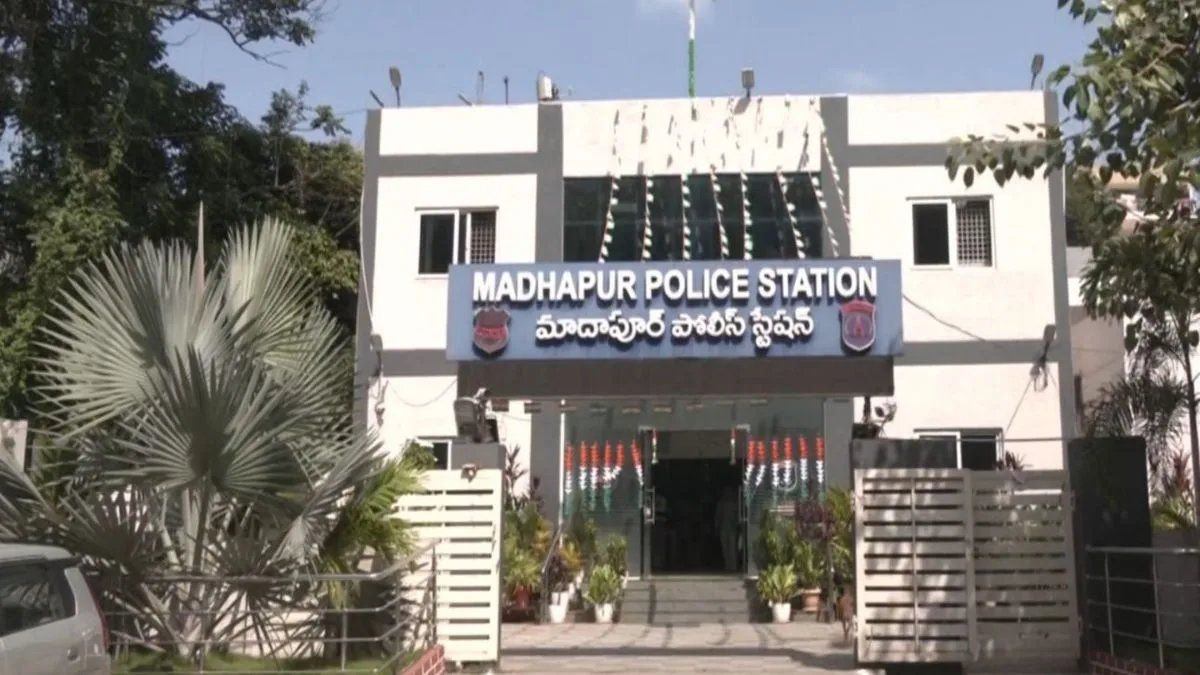
The incident unfolded in the afternoon when Mukhi and her colleague Pooja Ashok ventured outside the mall to collect food from ITC Kohenur. As they made their way back across the road, Mukhi was struck by the high-speed vehicle, sustaining severe head injuries that proved fatal despite emergency medical intervention at Apollo Hospital in Jubilee Hills. Authorities at Madhapur Police Station registered a case under Section 106(1) of the Bharatiya Nyaya Sanhita, which covers acts endangering human life through rash or negligent conduct.
Investigators moved swiftly to identify Sanjush as the driver and apprehended him the same day. Police conducted standardised toxicology assessments including breath analysis for intoxication and drug screening protocols. Blood samples were collected and forwarded to the Forensic Science Laboratory for detailed chemical analysis to establish whether impairment played a role in the collision. The luxury vehicle has been seized as evidence, with the investigation continuing as forensic reports are compiled.
The decision to grant station bail—a procedural release without formal court proceedings—has drawn immediate political fire. The opposition YSR Congress Party seized upon the case as evidence of preferential treatment afforded to politically connected individuals. Party spokesperson Karthik Yellapragada contended that authorities had deliberately suppressed information about the accident, pointing to the five-day gap before substantial media coverage emerged. He characterised this silence as evidence of collusion between state leadership, naming Chief Minister Revanth Reddy and alluding to coordination with Telugu Desam Party figures.
Yellapragada's assertions lack corroborating documentation available to independent verification, yet they touch upon longstanding anxieties within Indian public discourse regarding disparate legal treatment based on social status and political connections. The timing of bail approval, coupled with the delayed public discussion of the case, has fuelled suspicions that political considerations influenced investigative priorities and prosecutorial discretion. Such allegations, whether substantiated or not, carry significant resonance in a region where questions of justice and accountability have shaped electoral outcomes.
The Hyderabad incident reflects broader concerns emerging across Indian metropolitan centres regarding road safety, vehicular regulation, and the enforcement of traffic laws. Luxury performance vehicles capable of extreme speeds have figured prominently in high-profile accidents in major cities, raising questions about whether existing regulatory frameworks adequately constrain their operation in densely populated urban zones. The juxtaposition of extreme wealth—represented by an Aston Martin, a vehicle commanding multi-crore valuations—against the sudden death of a working-class individual has crystallised these tensions.
For Malaysian observers, the case offers instructive parallels regarding judicial independence, political accountability, and public confidence in law enforcement. While India's legal architecture provides robust procedural safeguards and constitutional protections, implementation remains inconsistent across jurisdictions and social strata. The progression from fatal accident to swift bail approval demonstrates how India's criminal justice system, despite its formal structures, can appear permeable to political influence. This perception, regardless of investigative reality, erodes public trust and complicates efforts to establish impartial institutional governance.
The notice served under Section 35(3) of the Bharatiya Nagarik Suraksha Sanhita represents a procedural mechanism allowing police to examine individuals during preliminary investigation without formal arrest. This intermediate legal instrument exemplifies the flexibility embedded within India's reformed criminal codes, though its application in high-profile cases inevitably invites scrutiny regarding consistency and neutrality. Sanjush's receipt of this notice alongside station bail suggests investigators are pursuing additional evidence before determining whether more serious charges warrant consideration.
The coming weeks will prove determinative in shaping public perception of institutional fairness. Should the investigation yield evidence of gross negligence, rash driving, or intoxication, delayed prosecution would deepen suspicions of preferential handling. Conversely, if rigorous investigative procedures ultimately exonerate Sanjush or result in proportionate charges reflective of factual evidence, the case may demonstrate that Indian institutions can operate fairly even under intense political pressure. The forensic examination of blood samples and vehicle dynamics will provide objective data that transcends political rhetoric.
This incident arrives amid broader conversations within South Asia regarding corporate accountability, wealth-based privilege, and the legitimacy of state institutions. Indian courts have increasingly demonstrated willingness to prosecute individuals from powerful families, from business magnates to political figures, lending credence to arguments that formal judicial mechanisms retain independence despite systemic pressures. Yet such prosecutions remain inconsistent, and high-profile cases adjudicated quickly and favourably to politically connected defendants inevitably reinforce perceptions of corruption.
For Southeast Asian nations like Malaysia that engage with India as a crucial regional partner, the Hyderabad case illuminates the complexities of democratic governance and rule of law implementation in large, diverse, federal systems. The incident underscores how individual tragedies cascade into broader conversations about institutional legitimacy, political patronage, and social equity. The death of Bharati Mukhi—a working woman whose economic circumstances placed her in proximity to wealth disparities—demands justice calibrated to evidence and legal principle rather than political convenience, a principle transcending borders and jurisdictions.

