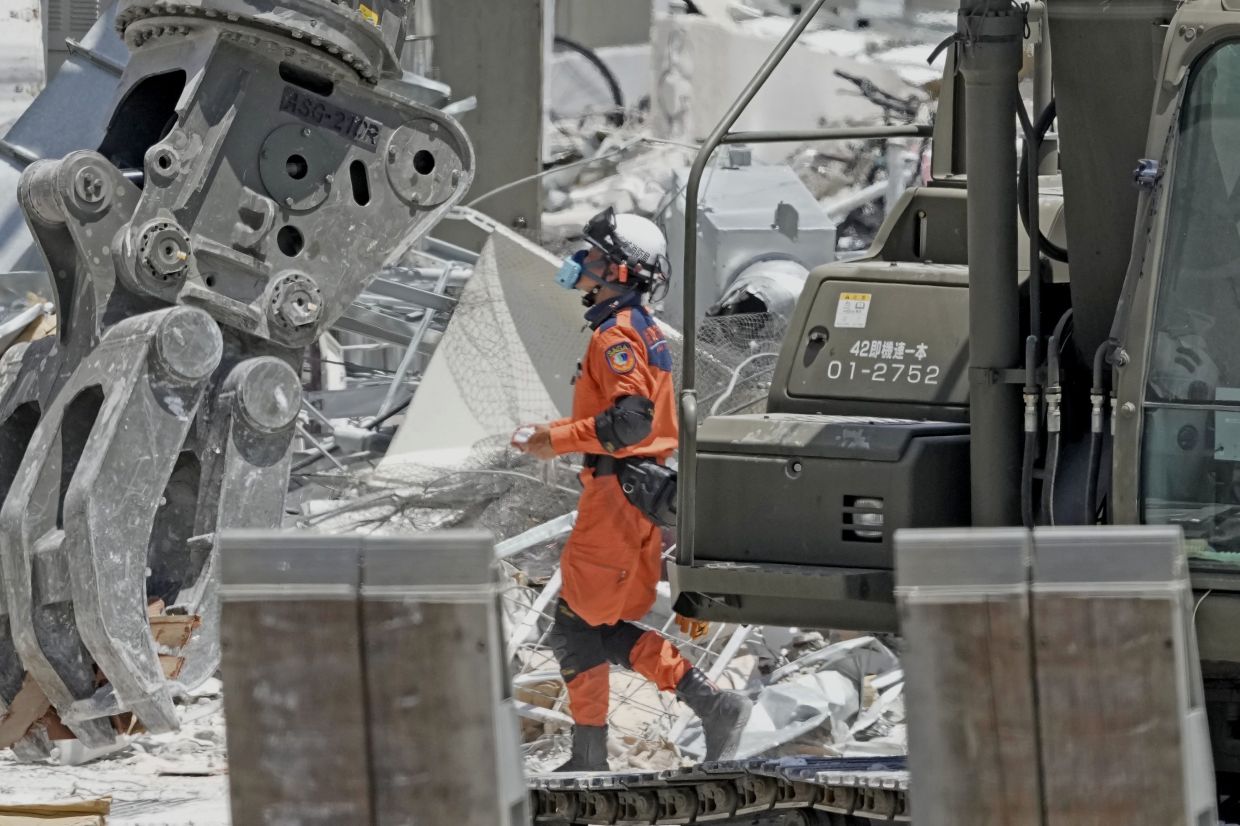
Japan's Economy, Trade and Industry Ministry has determined that a liquefied petroleum gas leak almost certainly sparked a devastating explosion at Aeon Mall Kumamoto on July 28, just over an hour after the region experienced a significant earthquake. The ministry announced its preliminary findings on August 5 following an investigation into the incident that left three store employees dead and caused substantial structural damage to the shopping complex's second floor.
The explosion occurred at approximately 5:50pm local time, roughly eighty minutes after seismic activity struck the Kumamoto Prefecture. The blast concentrated its destructive force on the central section of the mall's second floor on the southern side, demolishing retail spaces and prompting an immediate emergency response from local authorities. Three workers at shops within the mall became the casualties of what investigators now suspect was a catastrophic release of pressurised gas that ignited within the enclosed commercial space.
The LPG infrastructure at Aeon Mall Kumamoto supported daily operations across multiple tenants throughout the facility. Restaurants positioned on the first floor's north side relied on the gas for food preparation and water heating, while a food court located on the second floor's east wing similarly depended on LPG for cooking operations. Beyond culinary applications, the gas also powered the mall's air conditioning systems, indicating the widespread integration of LPG throughout the building's mechanical infrastructure.
The mall's LPG storage system consisted of a substantial underground tank holding 9,367 kilogrammes of liquefied petroleum gas. From this central repository, gas flowed through an underground pipeline that distributed the fuel upward into the building, where it then branched into an intricate network of distribution pipes embedded within the structure's floors and walls. This extensive piping system, while necessary for serving multiple commercial operations simultaneously, created numerous potential points of vulnerability where ruptures or leaks could develop, particularly in the aftermath of ground movement from seismic activity.
Following the earthquake that preceded the explosion by eighty minutes, investigators focused on whether the seismic event had triggered pipe failures that subsequently released gas into the mall's enclosed spaces. Fire and police personnel from Kumamoto prefecture conducted systematic searches of the building and consistently detected the distinctive odour of gas, providing strong evidence supporting the leak hypothesis. The gaseous atmosphere that accumulated within the structure's confined interior spaces would have created conditions conducive to a sudden ignition and explosion.
According to monitoring data and statements from Aeon, the LPG storage tank itself retained nearly its normal operational levels of fuel when examined after the incident. This observation proved significant because it redirected investigative focus away from a rupture in the main storage vessel toward the distributed piping network throughout the building. Specialists theorised that seismic shaking may have fractured smaller pipes or compromised connection points, allowing pressurised gas to escape gradually into the mall's interior before accumulating to explosive concentrations.
The precise mechanism triggering the ignition remained under active investigation by the Economy, Trade and Industry Ministry at the time of their preliminary assessment. Whether the gas encountered an existing heat source, electrical spark, or naked flame from restaurant equipment required further forensic analysis. The eighty-minute interval between the earthquake and the explosion suggested a delayed progression in which initial pipe damage during seismic activity allowed gas to accumulate progressively within the building until reaching critical concentrations.
This incident carries substantial implications for safety protocols at Japanese shopping facilities and other commercial buildings that utilise LPG systems, particularly those situated in seismically active regions. The Kumamoto Prefecture had experienced previous significant seismic activity, making earthquake-related infrastructure damage a documented hazard. The event raises questions about whether current building codes adequately address the interaction between earthquake damage and pressurised gas systems in high-occupancy commercial spaces.
For Malaysian and Southeast Asian readers, the Kumamoto mall incident underscores the critical importance of rigorous safety inspections and upgrades to gas distribution systems in shopping centres and hospitality facilities across the region. Many major shopping malls throughout Malaysia, Singapore, Thailand, and Indonesia similarly rely on LPG for restaurant operations and heating systems. The Japanese experience demonstrates how seismic disturbances—or indeed any significant structural stress—can compromise gas infrastructure in ways that may not manifest immediately but create dangerous accumulations of flammable gas in occupied spaces. Regional building authorities may consider whether their current safety mandates for LPG-dependent facilities adequately account for cascading failures initiated by natural disasters or other extraordinary structural stresses.

